Inflammation is a natural process that occurs in the body as a response to injury or infection. It is an essential part of the immune system and helps to protect us from harmful pathogens. However, chronic inflammation can be damaging to our health, leading to numerous diseases and conditions such as arthritis, heart disease, cancer, and autoimmune disorders.
The good news is that we can take steps to prevent and reduce inflammation through healthy eating habits. Here are some foods that can help fight inflammation:
1. Berries: Berries such as blueberries, strawberries, raspberries are rich in anthocyanins – powerful antioxidants that have been shown to reduce inflammation in the body.
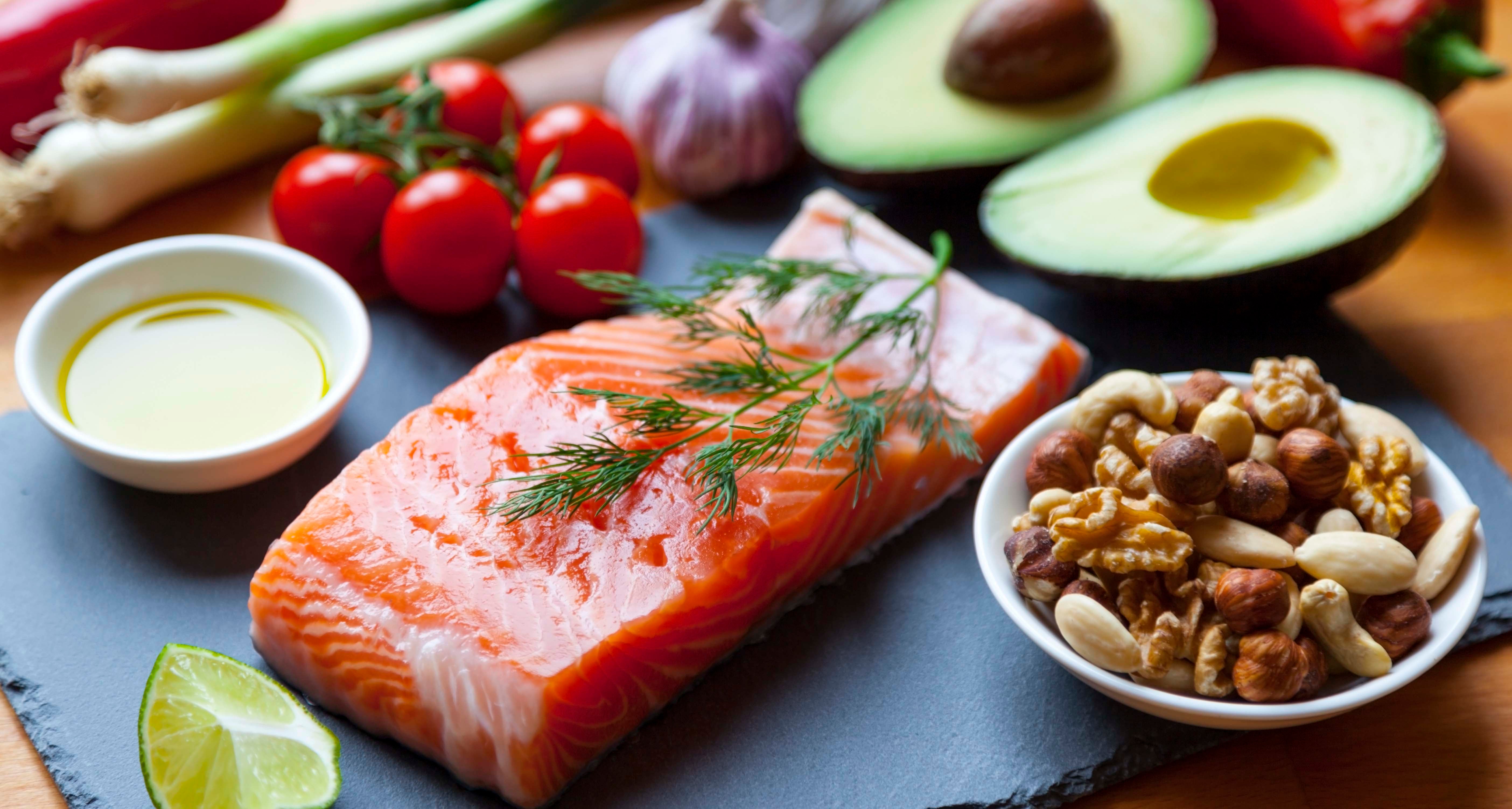
2. Fatty Fish: Fatty fish like salmon, sardines are high in omega-3 fatty acids which have anti-inflammatory properties.
3. Leafy Greens: Dark leafy greens like kale, spinach contain flavonoids – compounds with antioxidant effects that may help lower levels of inflammation.
4. Turmeric: Turmeric contains curcumin – a compound with potent anti-inflammatory properties which has been used for centuries in traditional medicine practices.
5. Nuts: Almonds, walnuts contain high amounts of monounsaturated fat and magnesium which have been associated with lower levels of inflammatory markers in the body.
6. Whole grains: Whole grains like brown rice or whole wheat bread contain fiber and other nutrients that may help decrease systemic inflammation by reducing C-reactive protein (CRP) levels.
7. Olive oil: Extra virgin olive oil contains oleic acid which has been shown to reduce inflammatory markers in the blood.
8. Ginger: Ginger root has powerful anti-inflammatory properties due to its active compounds gingerols and shogaols
9. Garlic: Garlic contains allicin – a sulfur-containing compound known for its potent anti-inflammatory effect on the body
10.Dark Chocolate : Dark chocolate contains flavonoids called epicatechins which have been shown to reduce inflammation in the body.
In addition to incorporating these foods into your diet, it is also important to avoid or limit foods that can trigger inflammation. These are typically processed and high in sugar, trans fats, and refined carbohydrates which stimulate the production of pro-inflammatory molecules in the body. Foods like soda, white bread, packaged snacks, cakes should be avoided or limited as much as possible.
Furthermore, maintaining a healthy weight through regular exercise is another way to reduce chronic inflammation. Exercise has been shown to decrease levels of inflammatory markers such as CRP and interleukin-6 (IL-6) while increasing anti-inflammatory cytokines such as IL-10.
Lastly, managing stress levels is crucial for reducing inflammation. Stress triggers the release of cortisol – a hormone that increases inflammation in the body. Practices like mindfulness meditation and yoga have been shown to lower cortisol levels thus reducing chronic inflammation.
In conclusion, fighting inflammation requires a holistic approach that includes eating an anti-inflammatory diet rich in whole foods while avoiding processed junk food packed with unhealthy ingredients. Incorporating physical activity into daily routine along with taking time for self-care practices can not only improve overall health but also help prevent chronic diseases associated with long-term low-grade systemic inflammation. So let’s start by making small changes every day towards healthier habits!

Leave a Reply