Cancer Prevention: A Comprehensive Guide to Healthy Eating and Lifestyle Choices
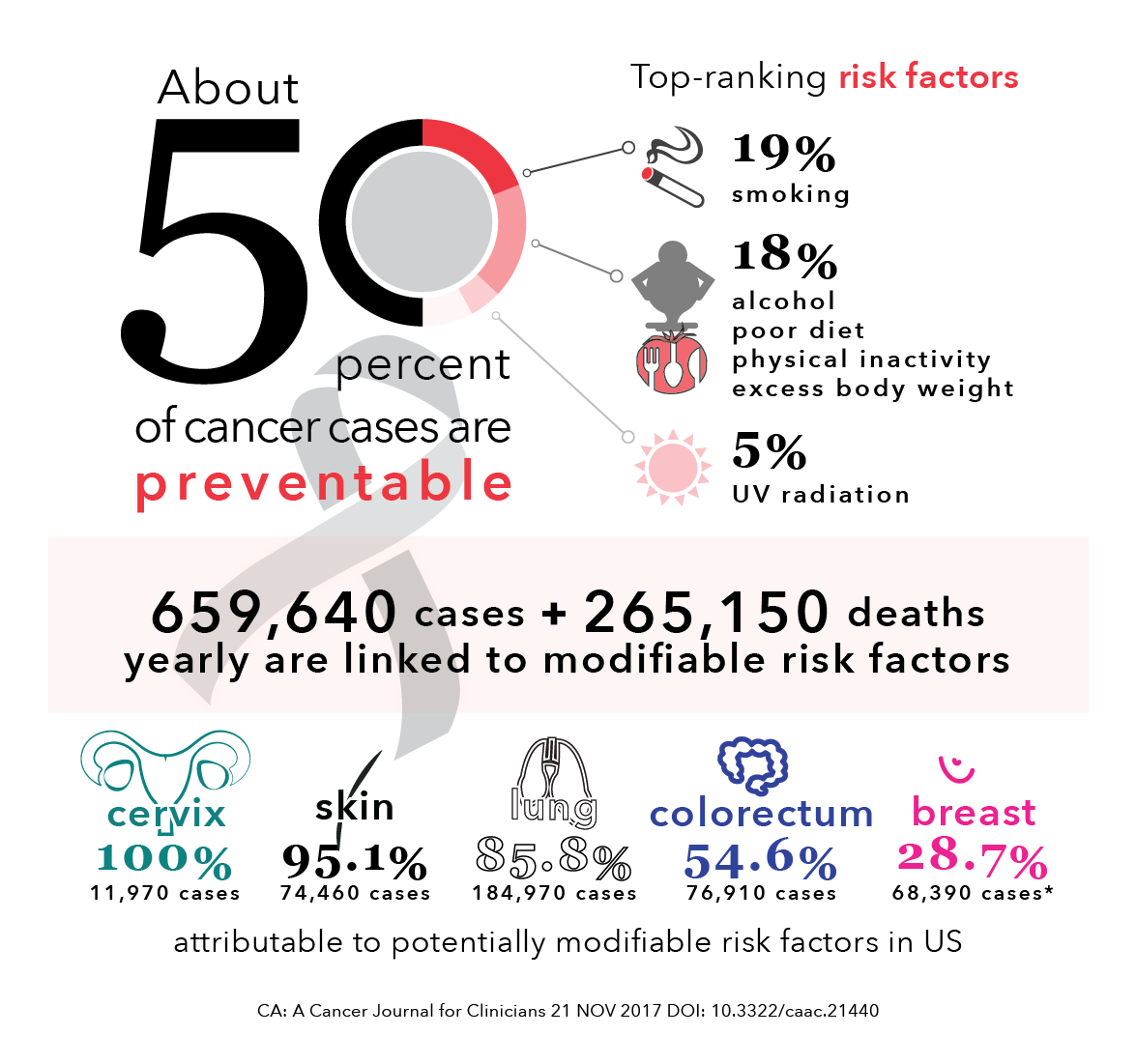
Cancer is a complex disease that affects millions of people worldwide. According to the World Health Organization, cancer is the second leading cause of death globally, accounting for approximately 1 in 6 deaths. While there are many factors that contribute to the development of cancer, including genetics and environmental exposure, lifestyle choices such as diet and exercise play an important role in preventing cancer.
In this comprehensive guide, we will explore how healthy eating and lifestyle choices can help prevent cancer. We will cover everything from the best foods to eat to reduce your risk of developing cancer to tips for incorporating exercise into your daily routine.
The Basics: Understanding Cancer
Before we dive into prevention strategies, it’s important to understand what causes cancer. Cancer occurs when abnormal cells grow out of control and form tumors or invade other tissues in the body. There are many different types of cancer, each with its own set of symptoms and treatment options.
While some cancers are caused by genetic mutations that are inherited from one’s parents, most cancers develop as a result of environmental exposures such as tobacco use or exposure to toxic chemicals. Lifestyle factors such as diet also play a significant role in increasing or decreasing one’s risk for developing certain types of cancers.
The Role Of Diet In Cancer Prevention
Research has shown that following a healthy diet can significantly reduce your risk for developing certain types of cancers. The American Institute for Cancer Research (AICR) recommends following a plant-based diet rich in fruits, vegetables, whole grains, and legumes while limiting red meat consumption.
Fruits And Vegetables: The Anti-Cancer Powerhouses
Fruits and vegetables contain numerous nutrients and antioxidants that have been shown to reduce inflammation throughout the body — which is linked with increased risks for various forms of chronic diseases including heart disease –and help prevent cellular damage caused by free radicals – molecules produced naturally during metabolism but which can also be formed by exposure to environmental factors such as tobacco smoke and radiation. Some of the most potent anti-cancer compounds found in fruits and vegetables include carotenoids, flavonoids, and cruciferous vegetables.
Carotenoids are a family of pigments found in brightly colored fruits and vegetables such as carrots, sweet potatoes, kale, spinach, pumpkins and tomatoes. These compounds have been shown to reduce the risk of lung cancer, stomach cancer, prostate cancer, breast cancer among others.
Flavonoids are a group of phytonutrients found in berries (e.g., blueberries), citrus fruits (e.g., oranges), green tea; legumes like lentils; dark chocolate amongst others. Flavonoids possess antioxidant properties that protect cells against damage caused by free radicals; they also have anti-inflammatory effects which help prevent chronic diseases including cancers.
Cruciferous vegetables like broccoli contain sulfur-containing compounds known as glucosinolates which give them their characteristic pungent smell when cooked or eaten raw. When consumed these compounds break down into biologically active molecules that can help prevent cellular damage due to free radicals thus reducing your risk for some forms of cancers.
Whole Grains: A Fiber-Rich Alternative To Refined Carbs
Refined carbohydrates such as white breads pasta and rice have a high glycemic index meaning they raise blood sugar levels rapidly after consumption compared with whole grains like quinoa brown rice oats etc.. Whole grains are packed with fiber which slows digestion leading to slower absorption of glucose into the bloodstream thereby helping you feel full longer while providing an array of health benefits such as lower cholesterol levels reduced inflammation improved digestion healthy bowel movements among many others..
Red Meat: The Risks Of Overconsumption
While red meat is a good source of protein it comes with its share of health risks if over-consumed. According to AICR studies show that eating more than 18 ounces of red meat per week increases the risk for colorectal cancer. This is because cooking red meats at high temperatures can produce carcinogenic compounds known as heterocyclic amines (HCAs) and polycyclic aromatic hydrocarbons (PAHs).
Alternatively, try to include more plant-based sources of protein in your meals such as legumes, beans, nuts and seeds.
Healthy Fats: The Benefits Of Omega-3 Fatty Acids
While it’s important to limit your intake of saturated fats found in animal products like butter and cheese; healthy fats including omega-3 fatty acids are essential for maintaining good health. Foods rich in these fatty acids include cold-water fish (like salmon and tuna), flaxseeds, chia seeds walnuts amongst others. Omega-3s have been shown to reduce inflammation throughout the body which helps prevent chronic diseases including certain forms of cancers among many other benefits..
Lifestyle Choices That Can Help Prevent Cancer
In addition to eating a healthy diet, there are several lifestyle choices you can make that will help reduce your risk for developing cancer.
Exercise Regularly For Optimal Health And Wellness
Regular physical activity has numerous benefits beyond just reducing one’s risks for some types of cancers. Exercise improves cardiovascular health by increasing blood flow throughout the body while also helping maintain healthy weight levels along with strengthening bones muscles tendons joints overall flexibility balance coordination among many other benefits.. AICR recommends getting at least 30 minutes of moderate exercise each day along with strength training sessions twice weekly.
Limit Alcohol Consumption To Reduce Your Risk Of Some Forms Of Cancers
Studies have linked heavy alcohol consumption with increased risks for certain types of cancers including breast cancer liver cancer mouth/throat cancer colon/rectal cancer among others.. While moderate drinking may not pose significant health risks limiting one’s intake or abstaining altogether if possible would be best recommended advice.
Avoid Tobacco Products At All Costs
Tobacco use is one of the leading causes of preventable deaths worldwide. It’s estimated that tobacco use accounts for approximately 1 in 3 cancer-related deaths globally. Quitting smoking and avoiding secondhand smoke are two of the most important things you can do to reduce your risk for developing cancer.
Conclusion
Preventing cancer is a lifelong process that requires dedication and commitment to healthy lifestyle choices including diet, exercise regularly, limiting alcohol consumption, avoiding tobacco products while also maintaining regular check-ups with your healthcare provider. By following these recommendations, you can significantly reduce your risk of developing certain types of cancers and enjoy optimal health and wellness throughout your lifetime.

Leave a Reply