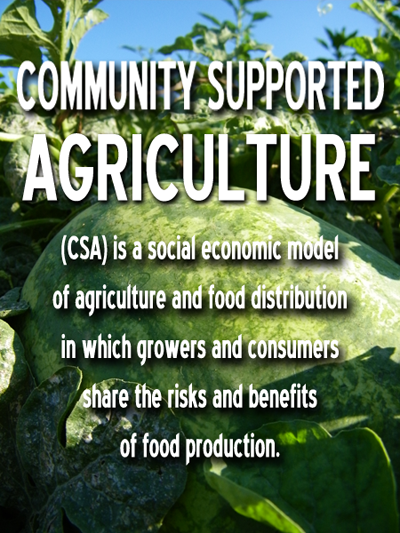
Community-supported agriculture (CSA) is a food system that has been gaining popularity in recent years, especially among people who are looking for healthy and sustainable ways to eat. It’s a way of supporting local farmers by buying shares of their harvests at the beginning of the growing season. In return, subscribers receive boxes or bags of fresh produce every week or every other week throughout the season.
On paper, CSA sounds like a great idea: you get fresh, locally grown fruits and vegetables without having to worry about pesticides or other chemicals used on industrial farms. You also get to support small-scale farmers who might otherwise struggle to compete with larger operations. And because CSAs often have a limited number of subscribers, you know your food hasn’t traveled far before it reaches your kitchen.
But as with any trend, there are some downsides to consider before jumping on board with CSA:
1. Cost
While subscribing to a CSA might seem like an economical choice – after all, you’re cutting out middlemen like grocery stores – it can actually be quite expensive upfront. Depending on where you live and which farm(s) you choose to support, shares can range from $100-$1,000 per year.
2. Limited Selection
When you join a CSA program, what you receive each week is determined by what’s currently being harvested by the farmer(s). This means that sometimes you may end up getting more zucchini than anyone knows what do with! While this can lead to creative meal planning and trying new recipes with unfamiliar ingredients; it also means that if there’s something specific that you want but isn’t in season yet – tough luck!
3. Commitment
Signing up for a CSA requires committing yourself for an entire season – usually 16-20 weeks long depending on location and climate. This could be difficult if travel plans come up or simply life gets too busy during peak harvest times.
4. Quality Control
Just because you’re supporting small-scale farmers doesn’t mean the produce is always going to be perfect. Sometimes there are crops failures or natural disasters that affect the harvest, which can lead to smaller quantities or lower quality produce being delivered.
5. Food Waste
While CSAs aim to reduce food waste by delivering only what’s in season and what was harvested each week, sometimes subscribers end up with more produce than they can use before it spoils. This is especially true if you’re not used to cooking with some of the less common vegetables that may show up in your box.
6. Time commitment
Upon receiving your weekly haul from a CSA program, one needs time and energy to wash, prepare and cook all of the fresh vegetables- which can be quite an undertaking for someone who isn’t used to meal planning on this scale.
So while CSA programs have their advantages as well as disadvantages; it’s important for individuals considering joining a CSA program should weigh out pros and cons beforehand. There are some things that could potentially make joining a CSA program worth it:
1. Freshness & Nutrition
CSA subscribers receive freshly picked fruits and vegetables right at their doorstep- often within hours of harvest! Because these foods haven’t traveled far; they retain higher nutritional value compared with supermarket bought produce.
2. Supporting Local Farmers
By subscribing to a CSA program, customers directly support local farms and farm families – providing them with financial security throughout growing season.
3. Variety
Joining a community supported agriculture programs means embracing seasonal eating – which allows consumers access multiple varieties of fruits and vegetables throughout the year!
4. Learn New Cooking Techniques
Being exposed to new ingredients through CSA subscriptions requires creative meal planning; leading into learning new recipes & techniques for preparing seasonal dishes!
In conclusion, Community-supported agriculture (CSA) offers both benefits and drawbacks when it comes down to subscribing for weekly boxes of fresh veggies from local farmers’ markets — ultimately, it’s up to the individual subscriber to determine whether or not a CSA program works for them. Overall, CSA programs offer unique opportunity of getting fresh produce that is sustainably grown and supports small farmers – but at the same time requires commitment, flexibility and creativity in meal preparation.

Leave a Reply