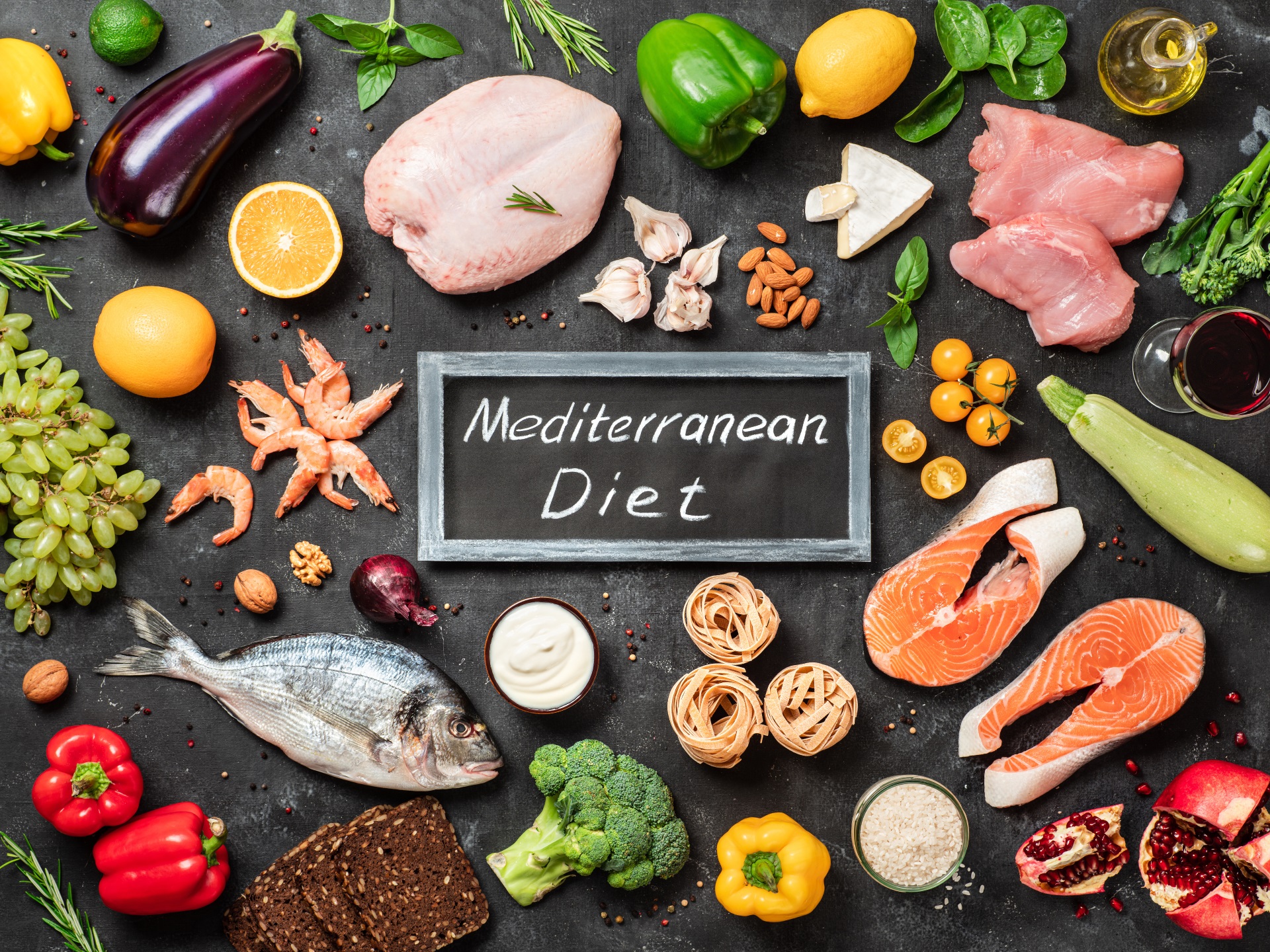
The Mediterranean diet is known for being one of the healthiest diets in the world, and it’s no wonder why. With a focus on fresh fruits and vegetables, whole grains, lean proteins, healthy fats like olive oil, and plenty of herbs and spices, this way of eating provides numerous health benefits.
One of the most important aspects of the Mediterranean diet is breakfast. Traditional options include foods like eggs, cheese, yogurt, fresh fruit and vegetables with bread or pita. These simple but delicious options are filling yet light enough to provide energy throughout the day.
Legumes also play a significant role in this type of diet as they are packed with protein and fiber. Chickpeas are commonly used in hummus while lentils can be added to soups or salads for an easy protein boost.
Regional variations within Mediterranean cuisine mean that there is always something new to try. In Greece you’ll find dishes such as moussaka while in Italy pasta reigns supreme. Spain’s famous paella features seafood which is another vital part of a traditional Mediterranean meal plan.
Seafood provides omega-3 fatty acids which can reduce inflammation and improve brain function among other things. Incorporating fish into your meals twice per week will help reap these benefits.
Olive oil consumption should be at least 2 tablespoons daily to achieve maximum heart-healthy results from its monounsaturated fat content which reduces bad cholesterol levels.
Herbs such as basil or oregano add flavor without excess salt while spice blends like za’atar offer an exotic twist on classic dishes making them more interesting than plain boiled veggies or grilled chicken breast alone.
Making healthy swaps may be necessary when adopting this style of eating but it doesn’t have to feel restrictive; use Greek yogurt instead of sour cream or swap out refined carbs for whole grain alternatives like quinoa or brown rice which adds nutrients your body needs over empty calories found in white rice varieties
Red wine has been shown to contain antioxidants that may benefit heart health when consumed in moderation.
Plant-based protein sources like beans, lentils and tofu are great alternatives for those who follow a vegan or vegetarian lifestyle.
Whole grains such as bulgur wheat or farro are high in fiber which aids digestion while also providing long-lasting energy. Incorporating fruits and vegetables into meals can be done easily by adding them to smoothies, salads or even pasta dishes.
Traditional Mediterranean desserts include baklava and Greek yogurt with honey. These treats offer the sweetness you crave without the guilt of processed sugar-laden options found elsewhere.
The impact of this diet on heart health has been extensively studied, with research suggesting it can lower risk factors including hypertension and cholesterol levels among others.
Sustainable food choices are also important within this way of eating. Choosing locally sourced ingredients reduces your carbon footprint while supporting local farmers – something we should all strive for whenever possible!
Dairy products like cheese or yogurt are sometimes included but not essential if you’re lactose intolerant. There’s always an alternative option available so don’t hesitate to experiment until you find what works best for your taste buds.
Meal prepping for a week on this type of diet involves planning ahead to make sure you have plenty of fresh ingredients at hand. Batch cooking is another useful tactic that will help save time during busy weeks when there isn’t much time left over to prepare meals from scratch every day.
Finally, snack ideas abound with options such as hummus dip paired with veggies sticks or roasted nuts which pack a punch when it comes to delivering healthy fats needed for optimal brain function!

Leave a Reply