Portion Control for Vegetarians/Vegans
Maintaining a healthy diet is important in leading a healthy lifestyle. For vegetarians and vegans, it is necessary to ensure that the right amount of nutrients are consumed without consuming too many calories. Portion control is an essential part of maintaining a healthy diet as it helps individuals to balance their meals and avoid overeating.
In this article, we will be discussing portion control for vegetarians/vegans in detail. We will explore what portion control means and how it can be implemented into a vegetarian/vegan diet.
What Is Portion Control?
Portion control refers to managing the amount of food that is eaten at each meal or snack. It involves eating smaller portions than usual to help maintain a healthy body weight while still getting all the necessary nutrients needed for good health.
The Importance of Portion Control
Portion control plays an important role in maintaining good health by helping individuals maintain their ideal body weight. Overeating can lead to obesity, which increases the risk of developing chronic diseases such as heart disease, diabetes, and some forms of cancer.
Additionally, practicing portion control allows individuals to eat more frequently throughout the day without worrying about gaining weight. Eating smaller portions but more often keeps energy levels up throughout the day and reduces cravings for unhealthy snacks between meals.
How Can Portion Control Be Implemented Into A Vegetarian/Vegan Diet?
Here are some tips on how vegetarians/vegans can implement portion control into their diets:
1) Use Smaller Plates: Using smaller plates creates an illusion that there’s more food on your plate than there actually is. This trick helps reduce hunger pangs while still allowing you to consume less food than usual.
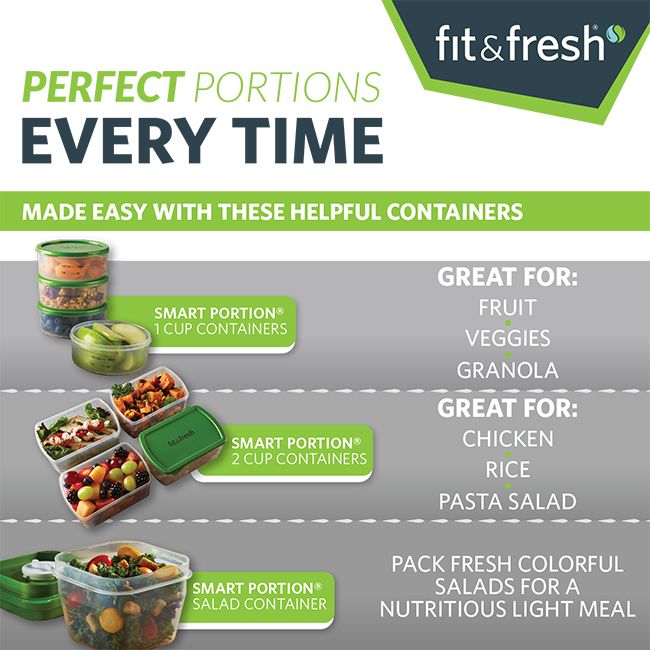
2) Measure Your Food: Measuring out your food using measuring cups or kitchen scales ensures that you’re eating only what you need rather than guessing how much you think you need. This method also helps keep track of calorie intake.
3) Avoid Skipping Meals: Skipping meals can lead to excessive hunger and overeating later in the day. Eating regular, small meals throughout the day helps control appetite and reduce the chance of overeating.
4) Eat Slowly: Eating slowly helps individuals feel full faster, which results in consuming less food overall. This practice also allows for better digestion as it gives your body enough time to process what you’ve eaten.
5) Use Visual Cues: Using visual cues such as a fist or palm size can help estimate portion sizes without measuring tools. For example, consider eating one serving of cooked vegetables that’s about the size of your fist.
6) Plan Your Meals Ahead Of Time: Planning your meals ahead of time ensures that you have all the necessary ingredients on hand when you start cooking. This method also reduces impulse eating by allowing individuals to stick to their planned portions.
7) Eat More Fruits And Vegetables: Fruits and vegetables are low in calories but high in nutrients, making them ideal for those practicing portion control. Consuming more fruits and vegetables also increases fiber intake which promotes healthy digestion.
8) Limit Processed Foods: Processed foods often contain high amounts of salt, sugar, and unhealthy fats which contribute significantly to weight gain if consumed excessively. By limiting processed foods, vegetarians/vegans can reduce calorie intake while still getting all the required nutrients they need from whole foods.
9) Keep A Food Diary: Keeping track of what you eat is an effective way to monitor food portions while providing insight into any dietary habits that may be causing issues with weight management.
Conclusion
Portion control is essential for maintaining a healthy vegetarian/vegan diet without sacrificing nutrient requirements or taste preferences. It involves controlling meal sizes by using smaller plates or measuring cups/scales while avoiding skipping meals and opting for whole foods instead of processed ones. With these tips in mind, vegetarians/vegans can maintain their ideal weight and lead a healthy lifestyle.

Leave a Reply