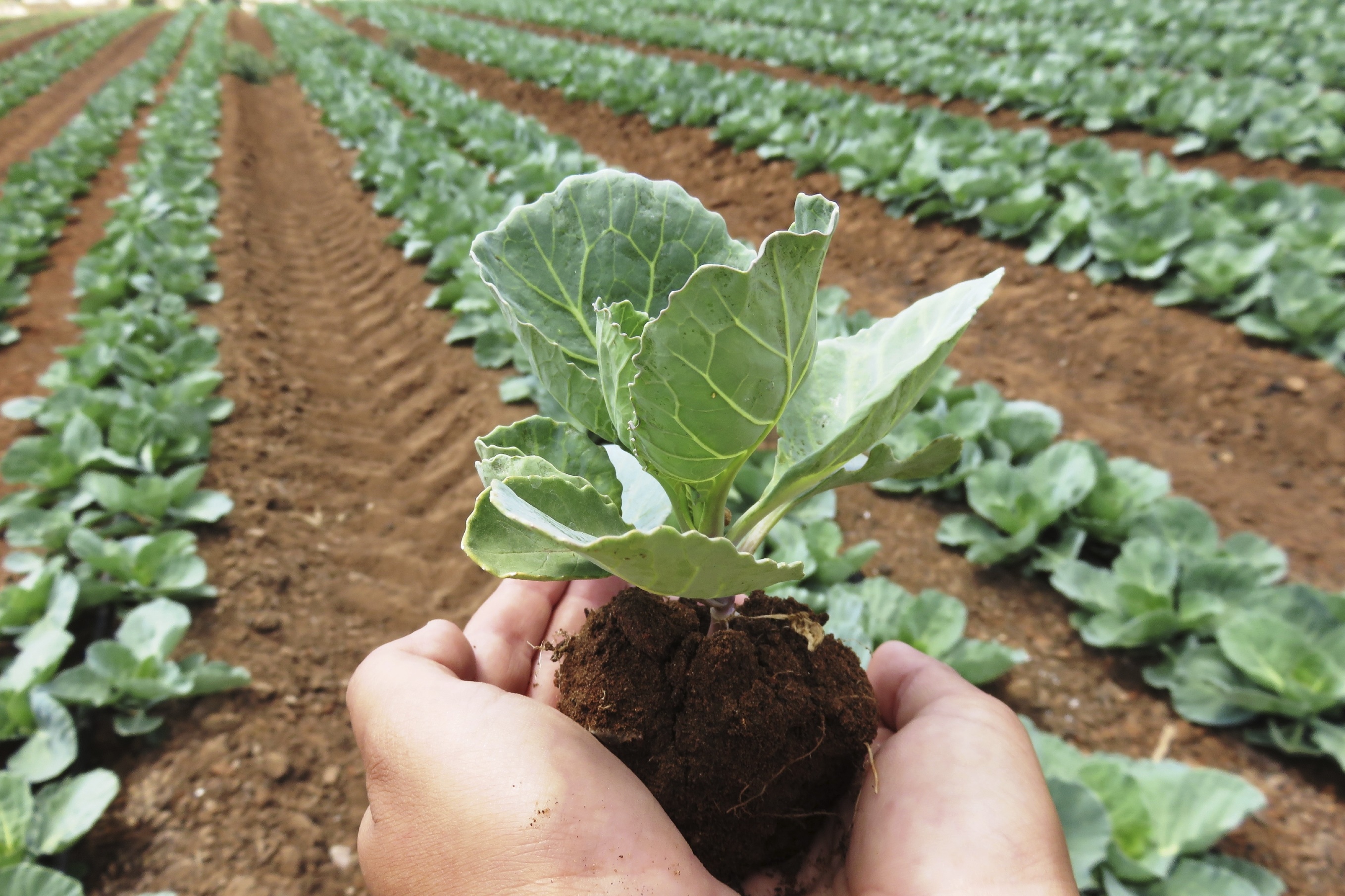
Organic farming practices are becoming increasingly popular among farmers and consumers alike. This is because organic farming emphasizes the use of natural methods to cultivate crops and livestock. In this post, we will answer some frequently asked questions about organic farming practices.
Q: What is organic farming?
A: Organic farming involves growing crops or raising livestock without using synthetic fertilizers, pesticides, herbicides, or genetically modified organisms (GMOs). Instead, farmers rely on natural techniques such as crop rotation, composting, and biological pest control to maintain soil fertility and protect their crops from pests.
Q: Why should I choose organic food over conventionally grown food?
A: Organic food is often touted as being healthier for both people and the environment. Studies have shown that organically grown produce tends to have higher levels of nutrients than conventionally grown produce. Additionally, since organic farms avoid using synthetic pesticides and fertilizers that can harm the environment, choosing organic helps support sustainable agriculture.
Q: How do farmers control pests without using pesticides?
A: There are a number of natural ways to control pests on an organic farm. One method is called integrated pest management (IPM), which involves monitoring pest populations closely and intervening only when necessary with natural solutions like releasing beneficial insects or using pheromone traps. Other strategies include crop rotation (which disrupts pest life cycles), planting companion plants that repel pests naturally (like marigolds planted between rows of vegetables) and using cover crops as green manures.
Q: Is it more expensive to buy organic products?
A: Organic products may be more expensive than their conventional counterparts due to the increased labor costs associated with natural cultivation methods like hand-weeding or crop rotation instead of herbicides. However, many people believe that buying high-quality food produced sustainably by local growers brings long-term health benefits outweighing any additional expenses.
In conclusion, opting for organically grown foods supports sustainable agriculture while also promoting a healthier lifestyle. Organic farming practices emphasize the use of natural techniques to cultivate crops and livestock, which results in more nutrient-rich produce and a reduced environmental impact.

Leave a Reply