Edible Wild Plants: A Beginner’s Guide
As humans, we have been using plants for food and medicine for thousands of years. However, with the rise of agriculture and processed foods, people have become disconnected from nature’s bounty. Fortunately, many wild plants are still available to us and can be a tasty addition to our diets.
👉 Check it out: Shop Health Supplements on Amazon
But before you start munching on anything that looks green, it is essential to know which plants are safe to eat and which ones are not. Some poisonous plants can cause severe harm or even death if ingested. So please take caution when consuming any plant species that you’re unsure about.
👉 Check it out: Shop Fitness Tracker on Amazon
Here is a beginner’s guide to some common edible wild plants in North America:
1. Dandelion (Taraxacum officinale)
Dandelions might be viewed as pesky weeds by many lawn enthusiasts, but they’re actually highly nutritious greens that contain vitamins A, C and K as well as calcium and iron. The young leaves can be eaten raw in salads or cooked like spinach.
The yellow flowers are also edible – they make an excellent ingredient in tea or can be used to create dandelion wine.
2. Stinging Nettle (Urtica dioica)
Stinging nettles might seem intimidating due to their name – after all, who wants to get stung? But once cooked or dried out, the sting disappears!
Nettles taste similar to spinach and contain high amounts of protein, fiber as well as vitamins A and C plus minerals such as iron and magnesium.
3. Purslane (Portulaca oleracea)
Purslane is often grown organically by gardeners due to its nutritional value; this plant contains more omega-3 fatty acids than most other leafy vegetables! This succulent-like plant has small leaves that add tanginess when added raw into salads or sandwiches.
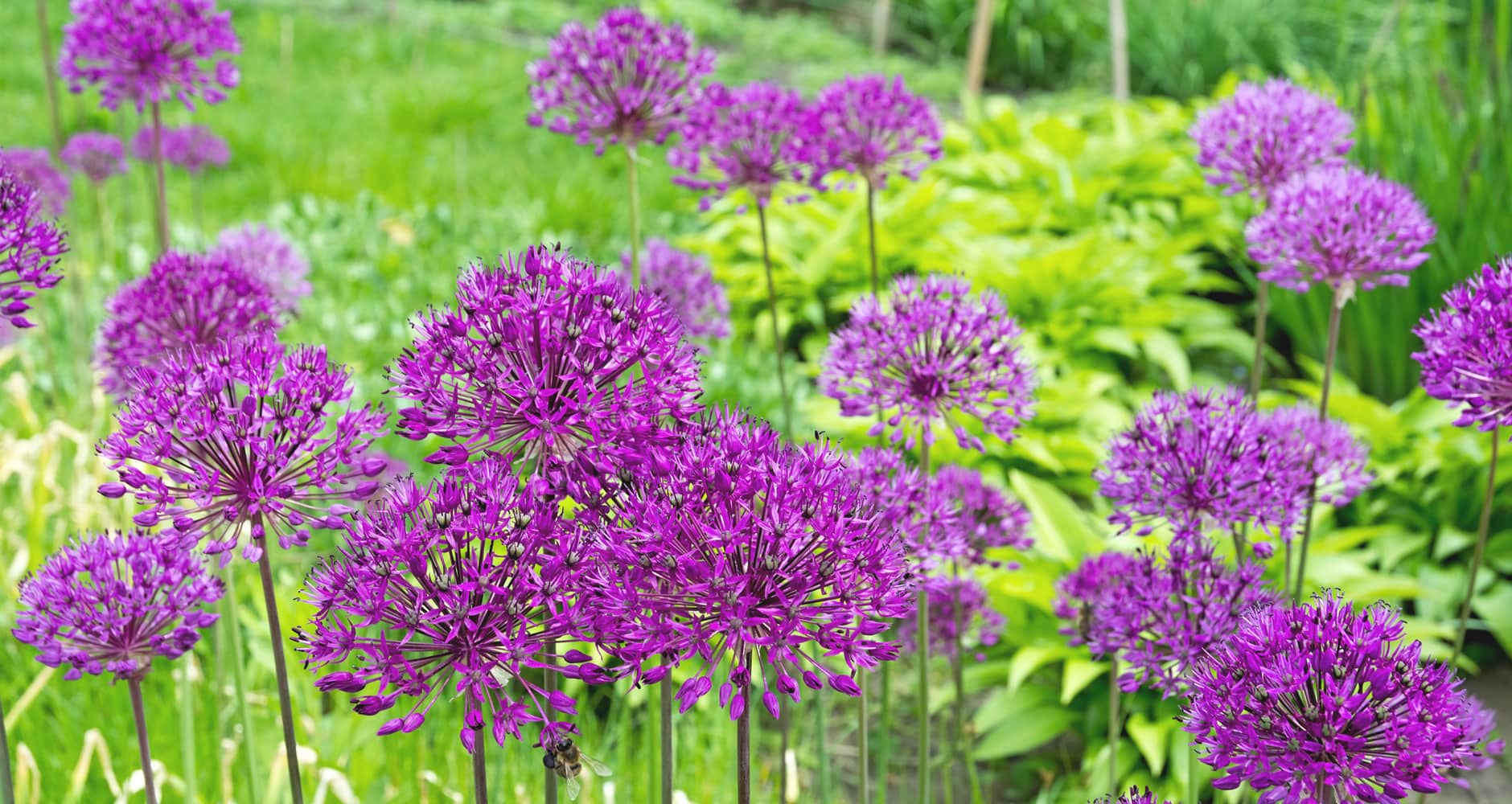
4. Wild Garlic (Allium vineale)
Wild garlic, also known as field garlic or crow garlic, is a forager’s dream come true. This plant is highly aromatic and has leaves that resemble those of lily-of-the-valley.
The bulbs are edible and can be used in the same way as regular garlic – sautéed with vegetables, added to soups or stews or spread on bread for a flavor punch.
5. Wild Berries
Wild berries such as blackberries, raspberries, blueberries and strawberries are some of the easiest plants to find when out in nature. These fruits contain high amounts of antioxidants and vitamins C and K.
Pick from bushes without any visible insect damage or signs of rotting. When it comes to eating wild berries raw, remember to wash them carefully before consumption.
6. Chickweed (Stellaria media)
Chickweed is often called “the salad herb” due to its mild taste that complements other greens nicely. Chickweed contains minerals such as calcium plus vitamins A and C; this plant can be eaten raw in salads or cooked like spinach.
7. Elderflower (Sambucus nigra)
Elderflowers grow on tall shrubs found near streams and forests throughout North America. These flowers have a light floral scent that makes them ideal for making tea or adding flavorings into sweets.
8. Burdock Root (Arctium lappa)
Burdock root might seem like an odd choice but this root vegetable tastes similar to artichokes once cooked correctly! The roots contain prebiotic fibers which promote gut health; these fibers help beneficial bacteria grow within your digestive system while reducing harmful ones’ growth levels.
9. Wild Carrots (Daucus carota)
Wild carrots look similar to their domesticated counterparts but tend to be smaller in size with more pointed leaves than rounded ones found in cultivated varieties; they’re also sweeter!
These vegetables contain beta-carotene which converts into vitamin A within the body. Wild carrots can be eaten raw, roasted or boiled; they can also be used to make soups and stews.
10. Pine Nuts (Pinus spp.)
Pine nuts are widely available in many North American forests and contain healthy fats that promote cardiovascular health. These nuts have a subtle but rich taste that complements salads, pasta dishes, or even as standalone snacks.
When it comes to foraging for wild plants, always make sure you’re picking from areas free of pesticides and herbicides! If you’re new to this hobby, consider attending a local workshop or taking an online course before heading out into nature’s garden solo.
In conclusion
Foraging is an excellent way to reconnect with nature while adding variety into your diet. Edible wild plants such as dandelions, nettles, purslane, wild garlic berries offer both nutritional benefits and a different culinary experience than what we typically find in grocery stores.
Remember to take caution when foraging – not all plants are edible so it’s best to consult with experts before consuming anything unfamiliar!
🛒 Recommended Products
As an Amazon Associate, we earn from qualifying purchases.
Disclosure: This post contains Amazon affiliate links. As an Amazon Associate, we earn from qualifying purchases at no additional cost to you.

Leave a Reply