Intermittent Fasting and Portion Control: The Historical Roots of Healthy Eating
Healthy eating is a popular topic nowadays, yet the idea of controlling our food intake for health purposes has been around since ancient times. Intermittent fasting and portion control are two popular methods that have been used throughout history to achieve better health outcomes. Let’s explore their historical roots and how they can benefit us today.
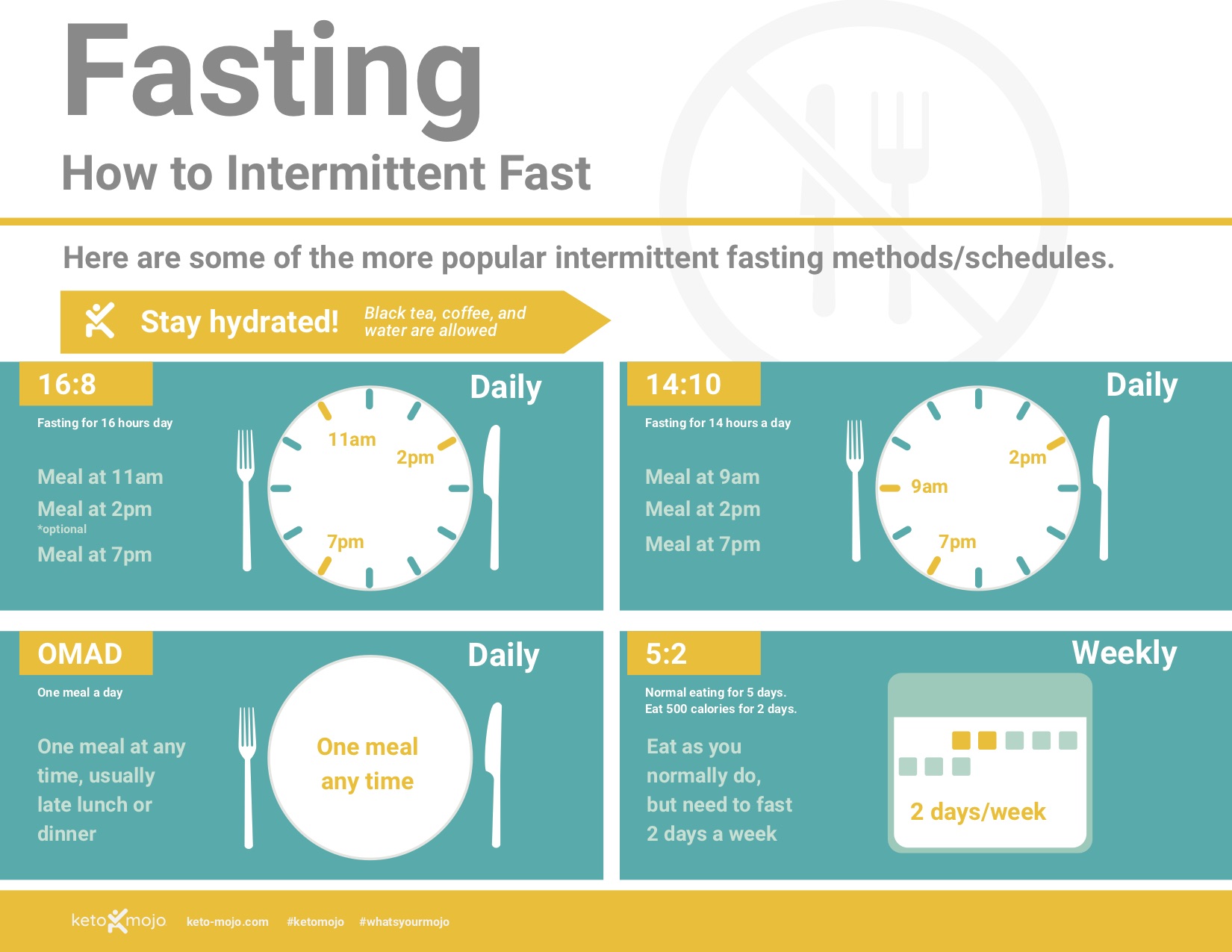
Intermittent fasting is the practice of alternating periods of eating with periods of fasting. This method has been practiced by various cultures for centuries, often for religious or spiritual reasons. For example, Muslims fast during daylight hours in Ramadan, while Hindus abstain from food on certain days as part of their spiritual practice. However, intermittent fasting has also been linked to various health benefits such as weight loss, improved insulin sensitivity, reduced inflammation and oxidative stress.
One notable example from history is the Greek physician Hippocrates (460-370 BC), who believed that “fasting is the greatest remedy – the physician within.” He prescribed fasting as a way to heal diseases and maintain good health. In fact, many ancient Greek philosophers and physicians such as Plato and Galen supported this practice.
Portion control refers to limiting the amount of food we eat at each meal or snack. This concept dates back to early civilizations when people had limited access to food resources. During World War II when rationing was necessary in many countries like Britain due to scarcity caused by war efforts; it became an integral part of daily life.
In Japan, there’s a cultural tradition called hara hachi bu which means ‘eat until you’re 80% full’. It’s considered healthier because it promotes mindful eating habits rather than overeating which could cause digestive issues such as bloating or indigestion.
There are several ways one can practice portion control today; using smaller plates or bowls will make your portions seem larger without increasing caloric intake while measuring out food is another useful technique. It’s also important to pay attention to hunger and satiety cues, which will help you regulate your portions accordingly.
In conclusion, both intermittent fasting and portion control have been practiced for centuries as a way to promote good health. Nowadays, research has shown that these methods can benefit us in various ways such as weight loss, improved insulin sensitivity and reduced inflammation. By practicing these techniques mindfully, we can cultivate a healthier relationship with food and achieve better overall health outcomes.

Leave a Reply