Organic vs Non-Organic Matcha: Which is Worth the Cost?
Matcha has been gaining popularity in recent years due to its numerous health benefits. It is a finely ground powder made from specially grown and processed green tea leaves, traditionally consumed in Japan as part of a tea ceremony. Matcha is high in antioxidants and has been linked to several health benefits, including improved brain function, increased energy levels, and better heart health.
When it comes to purchasing matcha, you may have noticed that there are two types available: organic and non-organic. Organic matcha is grown without the use of synthetic fertilizers or pesticides, while non-organic matcha may contain these chemicals. But which type of matcha should you choose? Is the extra cost of organic worth it?
To help answer these questions, we spoke with two experts on the topic: Kiyomi Koike, founder of Ippodo Tea Co., a Japanese tea company specializing in premium quality teas; and Dr. Karen Becker, a proactive and integrative wellness veterinarian who specializes in pet nutrition.
What Makes Organic Matcha Different from Non-Organic?
One major difference between organic and non-organic matcha is how they are cultivated. Organic matcha is grown without synthetic fertilizers or pesticides that can leave harmful residues on the plants or pollute surrounding soil or waterways. Instead, farmers use natural methods like crop rotation and composting to maintain soil fertility.
Non-organic matcha may be treated with chemical fertilizers and pesticides to increase yields by controlling pests such as insects or weeds. These chemicals can harm beneficial organisms like bees or other pollinators that play an essential role in maintaining ecological balance.
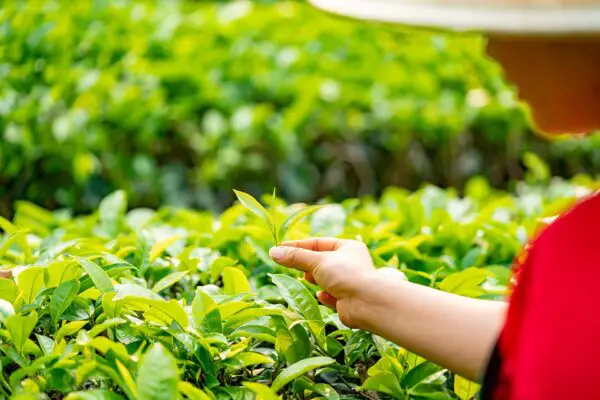
Another factor that distinguishes organic from non-organic matcha is how they are processed after harvest. After being harvested by hand-picking young leaves delicately off their stems during springtime (first flush), they undergo different processing methods.
Organic matcha is typically made from tea leaves that have not been exposed to synthetic chemicals, as mentioned earlier. These leaves are then steamed, dried, and ground into a fine powder using traditional stone mills. The process of grinding the leaves into a fine powder is known as tencha production.
Non-organic matcha may be made from tea leaves grown with synthetic chemicals or other processes that can affect their quality. These leaves are also processed in the same way as organic tea but may contain residues of pesticides and other harmful substances.
Benefits of Organic Matcha
There are several benefits to choosing organic matcha over non-organic:
1. Environmental Benefits: Organic farming helps reduce pollution and soil degradation by avoiding the use of synthetic fertilizers or pesticides that can harm beneficial organisms like bees or other pollinators essential for maintaining ecological balance.
2. Health Benefits: Choosing organic ensures that your matcha is free from harmful chemical residues, making it safer for consumption.
3. Quality Benefits: Organic farming often results in higher-quality teas due to natural cultivation methods that help produce more robust plants with better flavor profiles and nutrient content.
4. Ethical Benefits: Choosing organic supports sustainable practices and fair labor conditions for farmers who grow these valuable crops without exploiting workers’ rights or damaging communities’ health through exposure to toxic chemicals.
Benefits of Non-Organic Matcha
While there aren’t many benefits associated explicitly with non-organic matcha, some people prefer it because it tends to be less expensive than its organic counterpart:
1. Cost-effective: Non-organic tea can be cheaper due to lower production costs since they require fewer resources compared to organic varieties.
2. Availability: Non-organic tea is more widely available than its organic counterpart since it doesn’t require specialized growing conditions or certifications.
Which Type Should You Choose?
Choosing between organic and non-organic matcha ultimately depends on personal preference regarding environmental impact, health benefits, quality, and ethical considerations.
For those who prioritize sustainability and environmental health, organic matcha is the likely choice since it avoids using synthetic fertilizers or pesticides that can harm beneficial organisms like bees or other pollinators essential for maintaining ecological balance. Additionally, choosing organic supports sustainable practices and fair labor conditions for farmers who grow these valuable crops without exploiting workers’ rights or damaging communities’ health through exposure to toxic chemicals.
Those looking for cost-effective options may prefer non-organic matcha due to its lower production costs and more extensive availability. However, non-organic matcha may contain residues from chemical fertilizers or pesticides that can have harmful effects on human health over time.
It’s important to note that choosing between organic vs. non-organic is not always a black-and-white decision since there are different levels of certification in each category. For instance, some producers might use natural methods but still do not hold an official “organic” certification label due to strict criteria requirements.
Ultimately, the best way to ensure you’re getting high-quality matcha is by purchasing from trusted sources with transparency regarding their cultivation methods and certifications.
Final Thoughts
Matcha tea provides numerous health benefits thanks to its high antioxidant content and unique preparation method compared to traditional steeped green tea leaves. When deciding whether to choose organic vs. non-organic varieties, consider your priorities regarding environmental impact, quality concerns such as taste profile or nutrient content differences from farming practices used during cultivation process; ethical considerations like supporting sustainable agriculture practices through purchase decisions; potential long-term risks associated with ingesting synthetic substances found in conventional agricultural products when exposed over time via repeated consumption habits (e.g., pesticide residues).

Leave a Reply