As more and more people are making the switch to a plant-based diet, it’s important to understand where we can get all of our essential nutrients from without relying on animal products. Protein is one such nutrient that many people worry about when transitioning to a plant-based lifestyle. However, there are plenty of great sources of protein in the plant world.
Here are some commonly asked questions about plant-based protein sources:
Q: What are some good sources of protein for vegans?
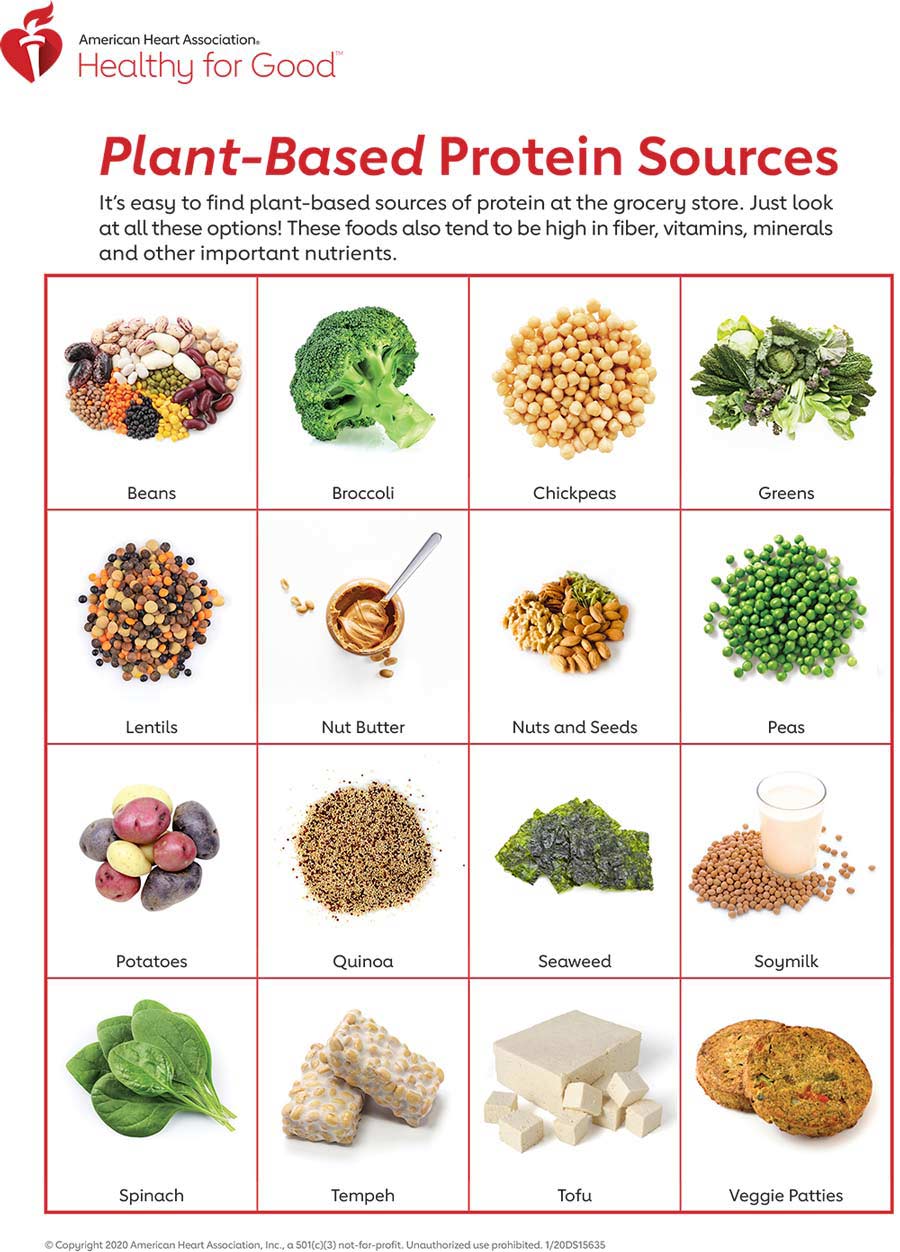
A: There are many great options for vegans looking to increase their protein intake. Some examples include beans (such as chickpeas, black beans, and kidney beans), lentils, tofu, tempeh, quinoa, nuts (such as almonds and cashews), seeds (like chia seeds and hemp seeds), and even vegetables like broccoli and spinach.
Q: How much protein do I need per day?
A: The recommended daily amount of protein varies depending on factors such as age, gender, weight, and activity level. As a general rule though, most adults need around 0.8 grams of protein per kilogram of body weight per day. So if you weigh 68 kg (150 pounds), you would want to aim for around 55 grams of protein each day.
Q: Can I get enough complete proteins from plants alone?
A: Yes! While animal products like meat and dairy contain all nine essential amino acids that our bodies need in order to build muscle tissue and repair cells properly – they’re not the only source out there. Many plant foods also contain all nine amino acids; these types of proteins are called “complete”. Examples include soybeans (and soy products like tofu or tempeh), quinoa, buckwheat groats or kasha grains.
Other incomplete yet complementary combinations include rice with lentils or beans; corn tortillas with refried bean filling; hummus made from chickpeas and sesame seeds.
Q: How can I make sure I’m getting enough protein as a vegan?
A: It’s important to eat a variety of plant-based foods throughout the day to ensure you’re getting all the nutrients your body needs, including protein. Incorporate some form of plant-based protein into each meal or snack, whether that be in the form of beans on toast for breakfast, a quinoa salad for lunch, or tofu stir-fry for dinner. Snack on nuts and seeds throughout the day if you need an extra boost.
Q: Are there any downsides to relying solely on plant-based sources of protein?
A: While there are plenty of great options for plant-based proteins, it’s important to note that some sources may not be as high in certain amino acids as animal products. For example, while lentils are a good source of protein overall – they don’t contain very much methionine (an essential amino acid). To combat this issue, simply combine them with another source that is higher in methionine – like rice or whole grain bread.
Additionally – it’s crucial to take care during pregnancy; growing children; athletes with high caloric/protein requirements etc., consulting with a health professional such as registered dietitian can help determine individual nutrient needs.
Q: Can athletes get enough protein from plants alone?
A: Absolutely! Many successful athletes follow plant-based diets and still manage to meet their nutritional needs. In fact- many world-class endurance athlete have also adopted veganism in recent years. Plant based high-protein foods can provide everything an athlete requires — without saturated fat or cholesterol found in meat products.
Some examples include quinoa salads with roasted veggies and chickpeas; black bean burritos piled high with avocado and salsa verde; baked sweet potatoes stuffed with tempeh chili… the possibilities are endless!
In conclusion- A well-planned vegetarian/vegan diet does not have to be lacking in protein. There are plenty of delicious and nutritious plant-based sources out there, many of which also provide valuable vitamins, minerals and antioxidants. So whether you’re a lifelong vegan or just starting your journey towards a more plant-based diet – rest assured that you can get all the protein your body needs without relying on animal products.

Leave a Reply