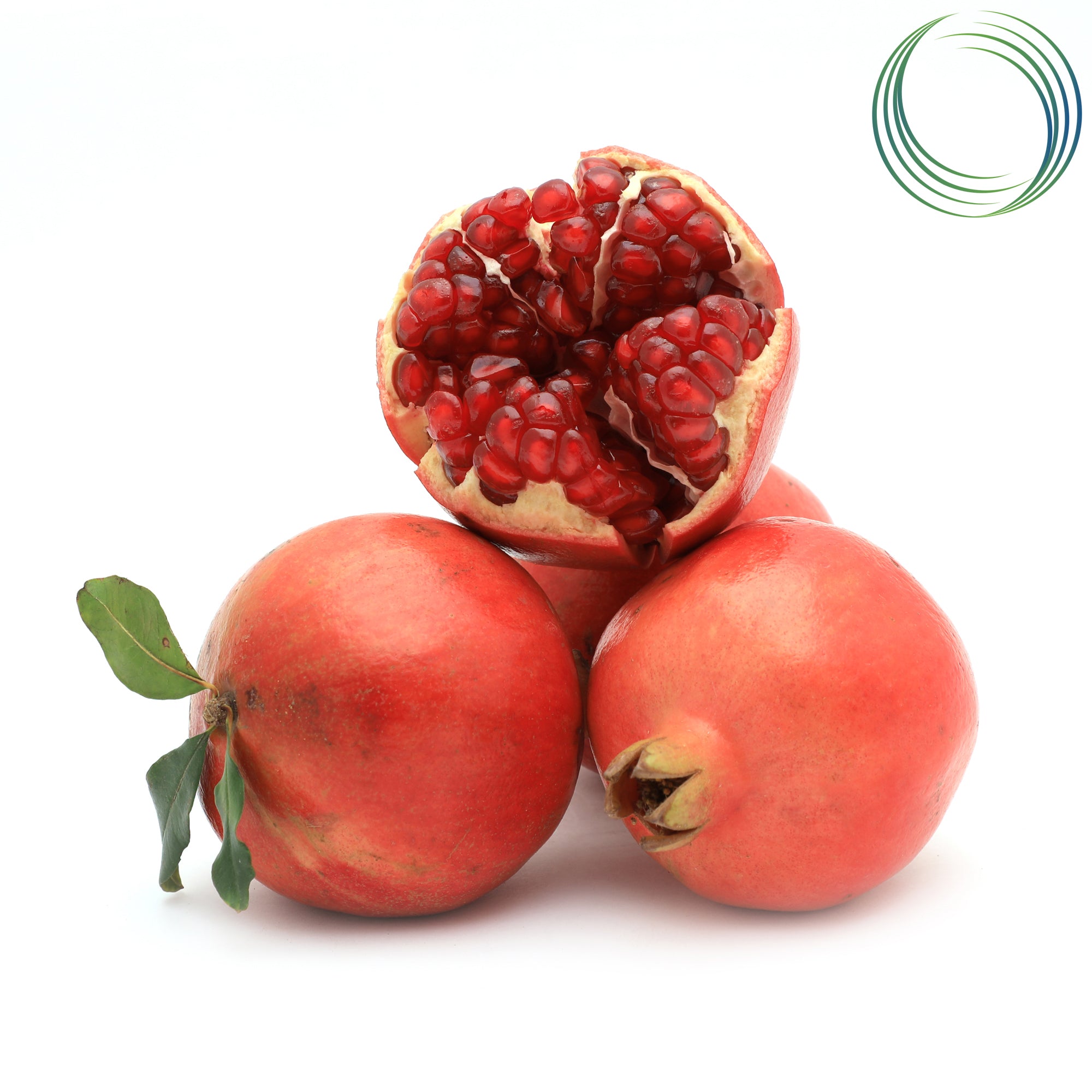
Pomegranates have been a symbol of fertility and abundance for centuries. They are not only delicious but also packed with nutrients that are good for our health. Pomegranates can be eaten fresh, juiced, or added to salads and other dishes. In recent years, there has been a growing interest in organic produce as people become more aware of the potential negative impact of pesticides on their health and the environment. In this post, we will explore the differences between organic pomegranates and conventional pomegranates.
What is Organic?
Organic refers to a method of farming that avoids using synthetic fertilizers and pesticides. Organic farmers use natural methods to control pests and diseases, such as crop rotation, companion planting, and biological pest control. Organic farming is also better for the environment because it promotes biodiversity by using natural soil amendments like compost and cover crops instead of chemical fertilizers.
What Are Conventional Pomegranates?
Conventional pomegranate farming uses synthetic pesticides to protect against pests and disease outbreaks. These chemicals may include fungicides, herbicides, insecticides among others which help increase yield rates but can lead to many side effects including environmental degradation.
Organic vs Conventional Pesticides
One of the primary concerns about conventional agriculture is pesticide residues on food crops that may pose health risks when consumed over time. Pesticide exposure has been linked to various health problems including cancer risk factors such as leukemia in children who live near farms where they use these products regularly.
On the other hand, organic foods are free from harmful residues since they do not use synthetic pesticides or fertilizers on their crops making them safer than conventionally grown ones.
Nutritional Differences
When it comes to nutritional value between organic vs conventional fruits studies show minor differences exist between both types with some cases showing overall nutrient density being higher in organically grown varieties due largely due soil quality differences during growth cycles
Cost Implications
It is no secret that organic foods are more expensive than their conventional counterparts due to the high cost of production and certification fees. The higher cost charged for organic products discourages many consumers from purchasing these products regularly.
However, it is essential to bear in mind that the price difference might be worth it since you get a healthier product with fewer toxins.
Environmental Implications
Organic farming methods help protect the environment by promoting biodiversity and reducing soil erosion caused by synthetic fertilizers and pesticides. Organic farmers also use cover crops to prevent nutrient leaching and soil degradation which ultimately helps preserve water quality downstream from farms.
Conventional farming practices have been known to cause environmental damage such as air pollution, water contamination, and depletion of natural resources. Pesticides can also kill beneficial insects like bees which play a vital role in pollination of crops worldwide leading to lower yield rates over time unless alternative pollination methods are adopted.
Conclusion
When choosing between organic vs conventional pomegranates, there is no definite answer as both types offer benefits depending on individual preferences or needs. It is essential always to weigh all factors including nutritional value, health risks posed by pesticide exposure, environmental impact among others before deciding what type of fruit best suits your needs.
In conclusion, we hope this post has shed some light on the differences between organic vs conventional pomegranates helping you make an informed choice when shopping for these delicious fruits next time around!

Leave a Reply