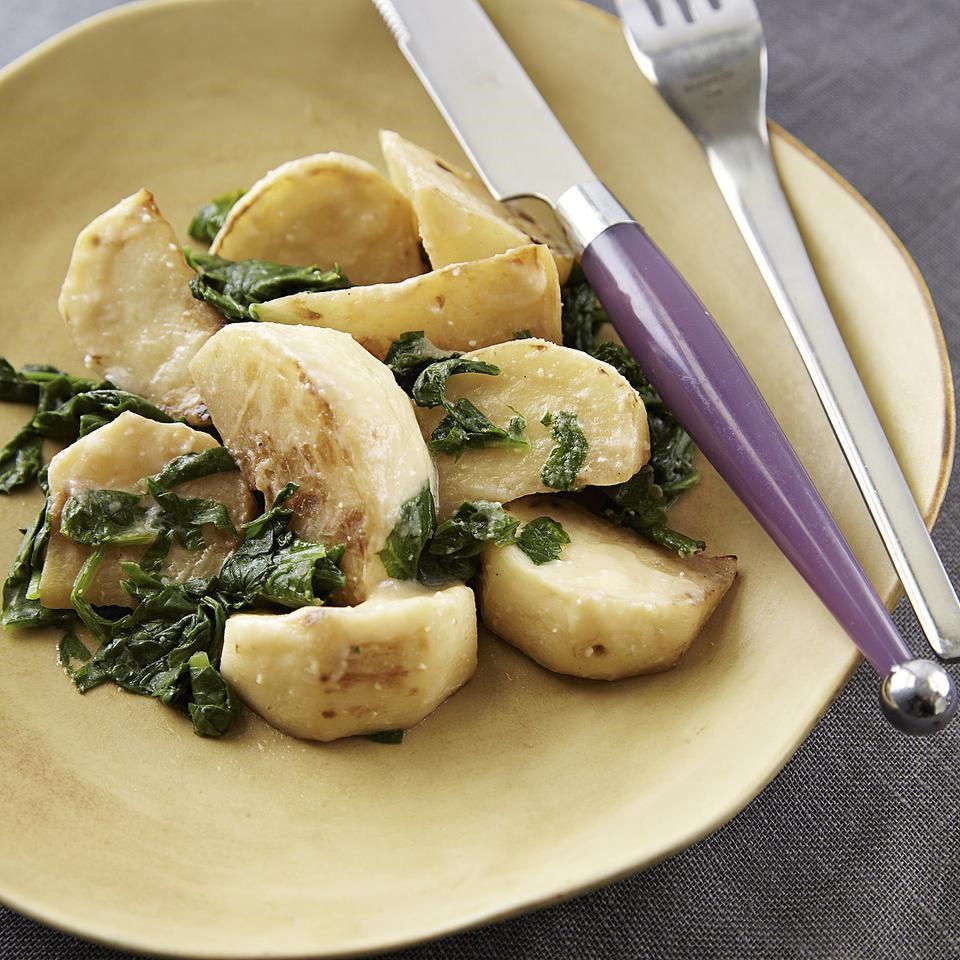
Turnips: A Nutritious and Versatile Root Vegetable
When it comes to root vegetables, turnips may not be the first one that comes to mind. However, these humble veggies are a great addition to any healthy diet. Turnips are low in calories but high in nutrients, making them a perfect choice for those looking to maintain or lose weight while still getting all the essential vitamins and minerals their body needs.
Nutritional Benefits of Turnips
One medium-sized turnip contains only 34 calories and is packed with nutrients such as vitamin C, fiber, potassium, folate, calcium, and iron. Vitamin C is an antioxidant that helps prevent cell damage and supports immune function. Fiber helps regulate digestion by keeping you feeling full longer and preventing constipation. Potassium is important for maintaining healthy blood pressure levels while folate supports fetal development during pregnancy.
Calcium is crucial for building strong bones while iron helps transport oxygen throughout the body. Additionally, turnips contain glucosinolates which have been shown to have anti-cancer properties.
Ways to Incorporate Turnips into Your Diet
While turnips may not be as popular as other vegetables like broccoli or spinach, they can easily be incorporated into your diet in various ways:
1) Roasted: Roasting enhances the natural sweetness of turnips while giving them a crispy exterior. Simply toss diced turnip pieces with olive oil and seasonings like salt and pepper before baking at 400 degrees Fahrenheit until tender (about 20-30 minutes).
2) Mashed: Just like potatoes can be mashed up into creamy goodness; so too can turnips! Boil peeled and chopped turnip pieces until tender then mash with butter or milk for added creaminess.
3) Soup: One-pot soups are an easy way to incorporate more vegetables into your diet without much effort required from you! Turnip soup has a slightly sweet taste that pairs well with savory spices like garlic and cumin.
4) Salad: Turnips can also be eaten raw in salads for added crunch and fiber. Thinly slice or shred turnip pieces then toss with other salad greens, vegetables, and a dressing of your choice.
5) Chips: Slice turnips thinly using a mandoline or sharp knife before baking them into crispy chips in the oven. Add seasonings like paprika or rosemary for extra flavor.
Choosing and Storing Turnips
When selecting turnips at the grocery store, look for ones that are firm, smooth-skinned, and heavy for their size. Avoid any turnips that have soft spots or blemishes as these may be signs of spoilage. Turnips can be stored in the refrigerator’s vegetable drawer for up to two weeks.
Conclusion
Turnips are a great addition to any healthy diet because they’re low in calories but high in essential nutrients like vitamins C and K, fiber, calcium, iron, potassium, and folate. They’re also versatile enough to use in various dishes from roasted root vegetables to creamy mashed potatoes substitutes – all while keeping you fuller longer! So next time you’re looking for something new to add to your meal plan; consider adding some tasty turnip goodness!


Leave a Reply