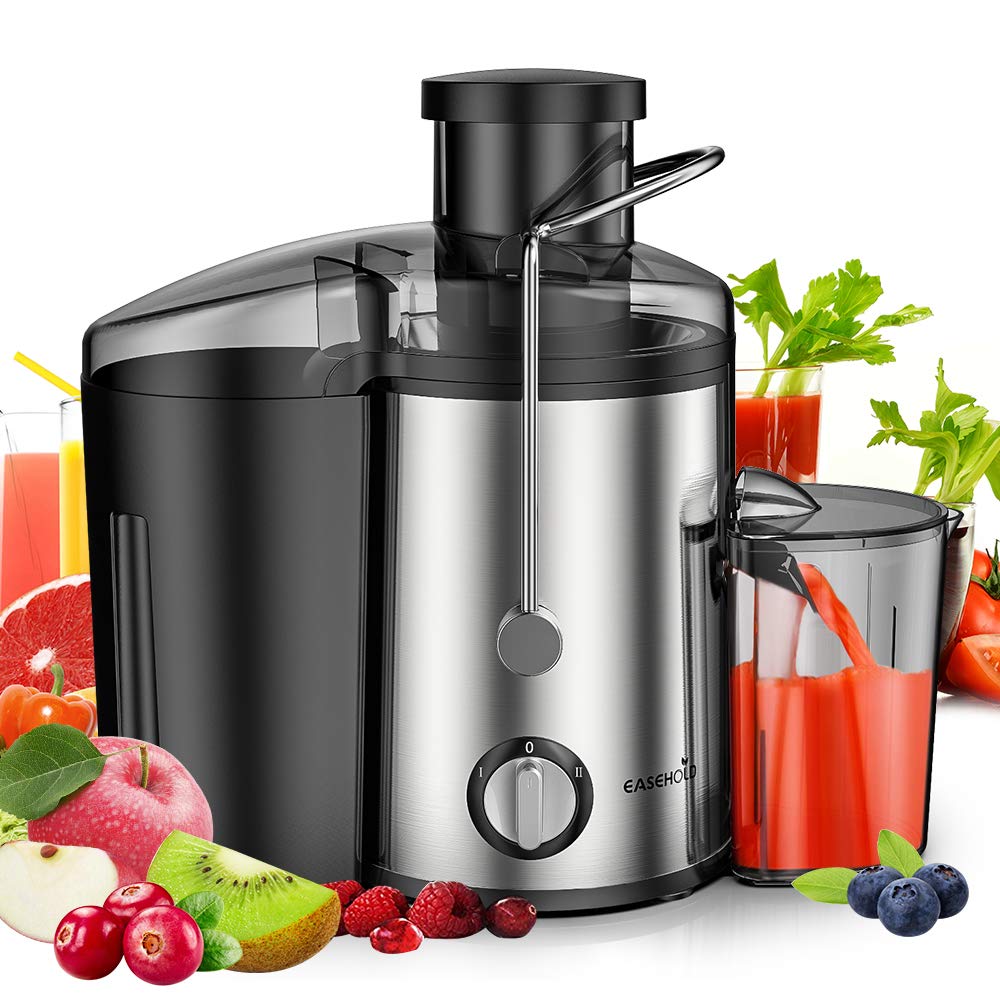
Juicing and blending have become a popular way to improve one’s health through consuming more fruits and vegetables. However, the process of juicing or blending can be quite expensive, especially if you’re considering purchasing high-quality equipment. In this article, we’ll discuss the economics of investing in a high-quality juicer or blender versus a cheaper alternative.
Firstly, it is important to note that there are significant differences between low-end and high-end juicers/blenders. Cheaper alternatives generally use less powerful motors which means they will not break down ingredients as thoroughly as higher quality alternatives. This may mean that you miss out on some key nutrients that could otherwise be extracted from the produce.
High-quality machines also tend to have more features such as multiple speed options, larger capacity containers and longer warranties than cheaper models which make them better investments in terms of longevity.
When considering both time and cost savings over the long term, investing in a high-quality machine can actually save money rather than being an expense. Since higher quality blenders/juicers are more efficient at extracting juice from produce, you’ll get more juice per fruit/vegetable used compared to lower end models which require much larger quantities of produce for similar output. By using less produce overall with a high-end model saves money over time since fresh fruits and vegetables can add up quickly
In conclusion, while it may seem like an expensive investment upfront, purchasing a high-quality blender or juicer can actually save you money in the long run by extracting more value from each piece of produce used while avoiding frequent replacements often required with cheaper models. With proper care for your investment appliance High-Quality Blenders/Juicers should last 10+ years providing many healthy food options along the way!

Leave a Reply