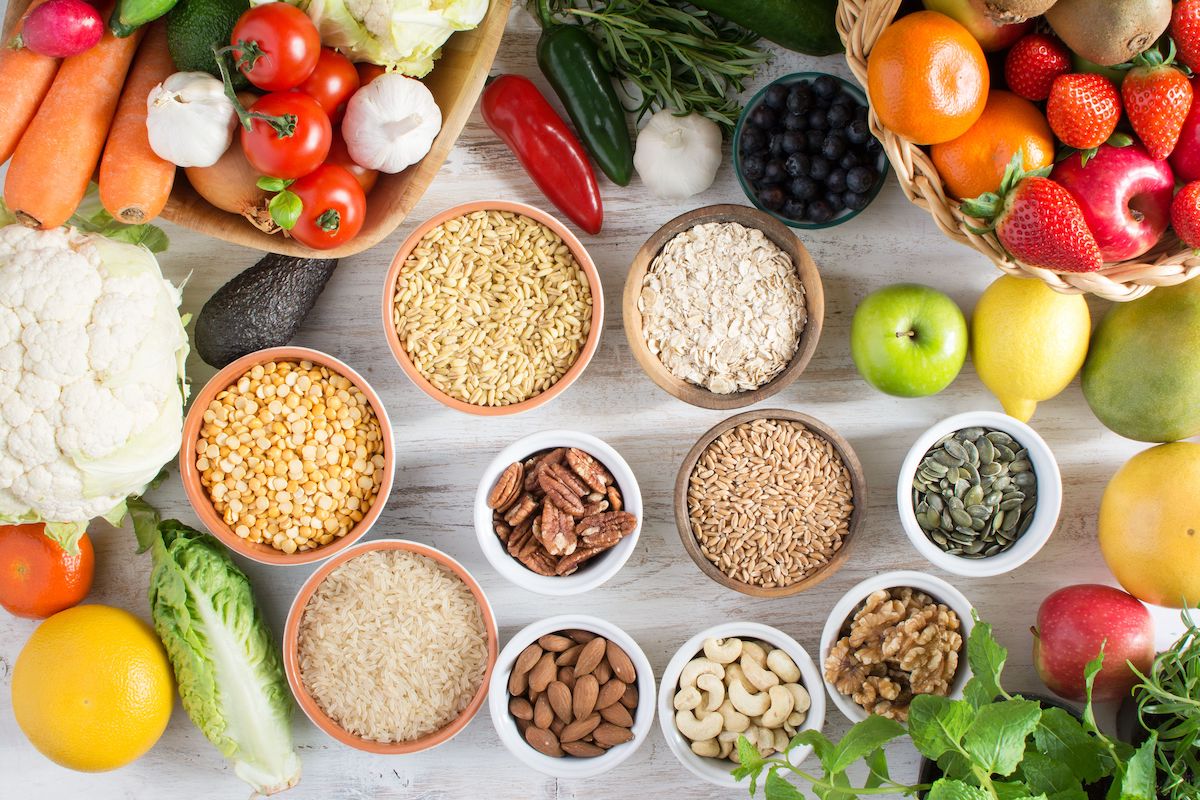
Fiber-Rich Foods: A Key to Healthy Eating
When it comes to healthy eating, fiber is a crucial nutrient that often gets overlooked. In fact, most people don’t get enough fiber in their diets. This is unfortunate since fiber has many health benefits and plays an essential role in maintaining good overall health.
In this article, we’ll explore the importance of fiber and provide you with a list of high-fiber foods that you can incorporate into your diet today.
What is Fiber?
Dietary fiber refers to the parts of plant-based foods that cannot be digested by our bodies. Unlike other nutrients such as carbohydrates or proteins that are broken down during digestion, fiber passes through our digestive system relatively intact. It’s important to note there are two types of dietary fibers: soluble and insoluble.
Soluble fibers dissolve in water and form a gel-like substance in the gut. They help lower cholesterol levels and regulate blood sugar levels. Insoluble fibers do not dissolve in water but instead add bulk to stools helping promote regular bowel movements.
Why Do We Need Fiber?
Fiber provides many benefits for overall health. Here are some reasons why:
1) Digestive Health – One of the most well-known benefits of consuming adequate amounts of dietary fiber is regular bowel movements which prevent constipation and food stagnation within the digestive tract reducing one’s risk for colon cancer.
2) Blood Sugar Control – Soluble fibers slow down carbohydrate absorption, making your body less prone to sudden spikes and crashes in blood sugar levels thus preventing diabetes type 2 development.
3) Cholesterol Regulation – Soluble fibers bind with bile acids that contain cholesterol produced by the liver; excreting them from our bodies leading ultimately for low cholesterol level hence improving heart health status
4) Weight Management – High-fiber foods like fruits, vegetables, whole grains keep us full longer due to slower digestion rate resulting feeling fuller longer than refined carbs aiding weight loss and management.
How Much Fiber Do We Need?
The recommended daily intake of fiber is 25 grams for women and 38 grams for men. Unfortunately, most people don’t consume that much fiber in their diets. If you’re not getting enough fiber, slowly increase your intake to avoid digestive discomfort.
Foods High in Fiber
1) Fruits – Apples, berries, bananas, oranges are high-fiber foods that can be eaten raw as snacks or used as ingredients in recipes such smoothies or salads.
2) Vegetables – Broccoli, carrots, Brussels sprouts are a few examples of vegetables with high soluble fibers content useful in maintaining gut health.
3) Whole Grains – Oats quinoa, barley are excellent sources of insoluble fibers that aid digestion while providing other essential nutrients like protein and iron
4) Nuts & Seeds – Almonds walnuts chia seeds flaxseed among others contain both types of fiber making them ideal snack options
5) Legumes – Beans lentils chickpeas black beans peas provide an array of nutritional benefits including high levels of dietary fiber hence lower cholesterol levels.
Conclusion:
Fiber is an essential nutrient that plays a vital role in our overall health. Incorporating more high-fiber foods into your diet can help reduce the risk of chronic diseases such as heart disease and diabetes while improving gut health status. When adding more fiber to your diet start slow while drinking plenty of water to prevent bloating which can lead to discomfort. Remember it’s never too late to make positive changes towards living healthier lives!

Leave a Reply