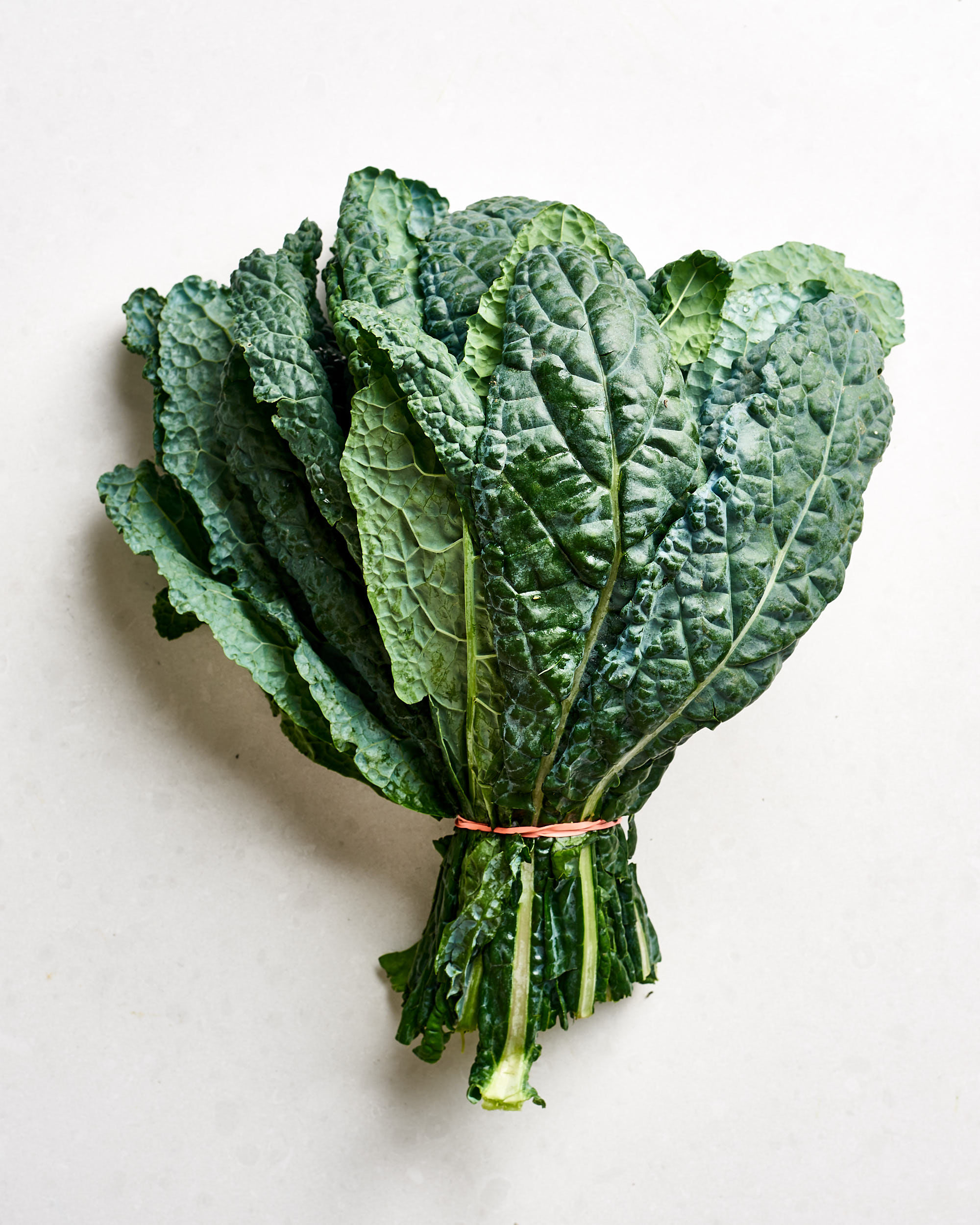
Tuscan kale, also known as Lacinato kale or dinosaur kale, is a member of the brassica family and has become increasingly popular in recent years due to its health benefits. It has a slightly sweeter taste than other types of kale and is often used in salads, soups, and stews. In this Q&A style post, we will answer some common questions about Tuscan kale.
Q: What are the nutritional benefits of Tuscan Kale?
A: Tuscan Kale is an excellent source of vitamin A, vitamin C, vitamin K1 and folate. It also contains antioxidants such as beta-carotene and lutein that help protect against cell damage caused by free radicals.
Q: How can I prepare Tuscan Kale?
A: Tuscan Kale can be prepared in many ways. You can add it to salads or use it as a substitute for spinach or lettuce in your favorite recipes. One popular way to prepare Tuscan Kale is to sauté it with garlic and olive oil until it’s tender.
Q: Is there anything special I should know about cooking with Tuscan Kale?
A: Yes! When you’re preparing Tuscan Kale for cooking or eating raw, make sure to remove the tough stem running through each leaf. This stem can be hard to chew and detract from the overall taste.
Q: Can I eat raw Tuscan kale?
A: Absolutely! Raw tuskan kale makes an excellent salad ingredient when combined with other greens like arugula or baby spinach. The leaves have a slightly nutty flavor that pairs well with lemon juice-based dressings.
Q: Does freezing affect the quality of my tuskan kales?
A: Freezing does not affect the nutritional value of your tuskan kales but may change their texture after they thaw out.
Q: Can I grow my own tuskan kales at home?
A; Yes! If you have a garden, you can easily grow Tuscan Kale. It’s a hardy plant and can grow in both warm and cool conditions. Plant the seeds in early spring or late summer and make sure to give them plenty of space to grow.
Q: What are some dishes that use Tuscan Kale?
A: There are many ways to incorporate tuskan kale into your diet. You can add it to soups, stews, casseroles, pasta dishes or use it as a substitute for spinach in lasagna. One popular recipe is Tuscan Kale Soup which combines garlic, onions, beans, and tomatoes with sautéed tuskan kales.
Q: How long does Tuscan Kale last after being harvested?
A: After harvesting the leaves from the plants ensure to store them properly where they will keep fresh for at least 5-7 days when kept refrigerated.
In conclusion, Tuscan kale is an excellent addition to any healthy eating plan due to its high nutritional value. Whether eaten raw or cooked in various recipes like soups and salads or used as substitutes for spinach or lettuce; there are countless ways to enjoy this leafy green vegetable!

Leave a Reply