Gut Health and Immunity: The Future of Healthy Eating
In recent years, there has been an increasing interest in the relationship between gut health and immunity. As a result, many people are now looking for ways to boost their gut health as a means of improving their immune system. But what exactly is gut health? And why is it so important to our overall wellbeing?
Firstly, let’s define what we mean by “gut.” The gut refers to the entire digestive tract, including the stomach, small intestine, large intestine (colon), rectum and anus. It plays a crucial role in breaking down food into nutrients that our body can use for energy and other functions.
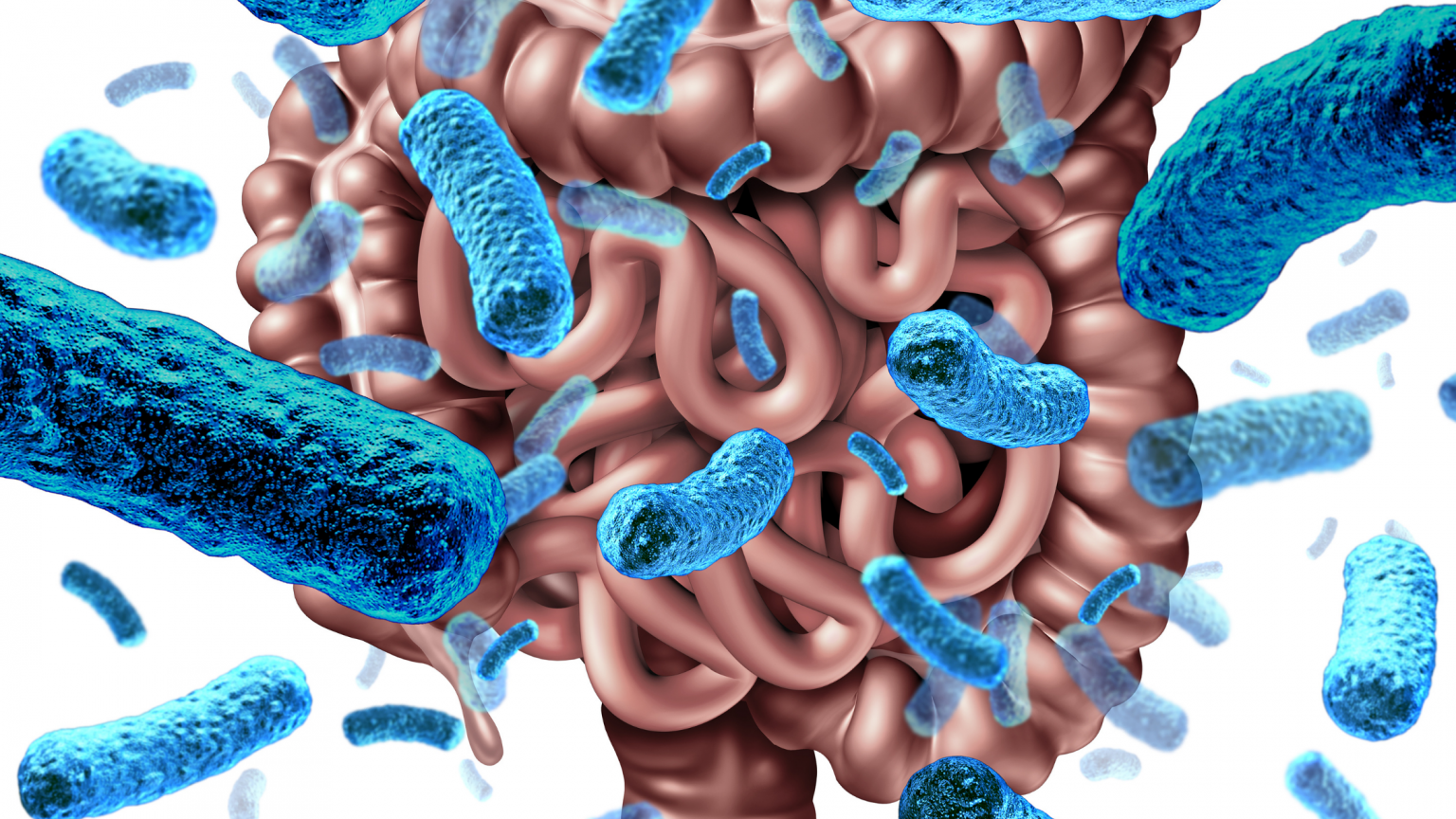
So when we talk about gut health, we’re essentially referring to the balance of microorganisms (bacteria) that live in our digestive tract. There are trillions of bacteria living inside us – more than 1000 different species – which together make up what’s known as the microbiome.
The microbiome plays a critical role in maintaining our overall wellbeing by helping with digestion, nutrient absorption and waste elimination. It also helps regulate metabolism and hormone levels.
But there’s another aspect of gut health that’s becoming increasingly important: its effect on our immune system.
Research has shown that a healthy microbiome contributes significantly to immune function. This is because certain types of bacteria help stimulate the production of white blood cells – which play a vital role in fighting off infection and disease.
Conversely, an imbalanced or compromised microbiome can lead to weakened immunity. Researchers have linked poor gut health with various conditions such as allergies, autoimmune diseases like Crohn’s disease or ulcerative colitis or even mental disorders like depression or anxiety.
So how can we maintain good gut health? One way is through diet. Eating foods rich in fiber – such as fruits and vegetables – promote good bowel movements while cutting back on sugar-sweetened drinks may reduce the growth of harmful bacteria. Fermented foods like yoghurt, kefir and kimchi are also great sources of healthy bacteria.
Another way to improve gut health is by taking probiotics. These supplements contain live strains of beneficial bacteria that can help restore balance to your microbiome. However, not all probiotics are created equal! Look for brands that have been tested in clinical trials or recommended by a healthcare professional.
Lastly, stress management is also important as it has been shown to affect digestion and gut motility. Exercise, yoga and meditation may help alleviate stress while poor sleep habits could negatively affect the gut’s microbiota over time.
In conclusion, our gut is a crucial part of our overall wellbeing – both digestive-wise and immunity-wise. Taking care of it through proper diet, exercise and perhaps even supplementation with probiotics will be key to maintaining good health in the future. And let’s not forget about mental wellness too – because after all, having peace of mind could benefit us from head-to-gut!

Leave a Reply