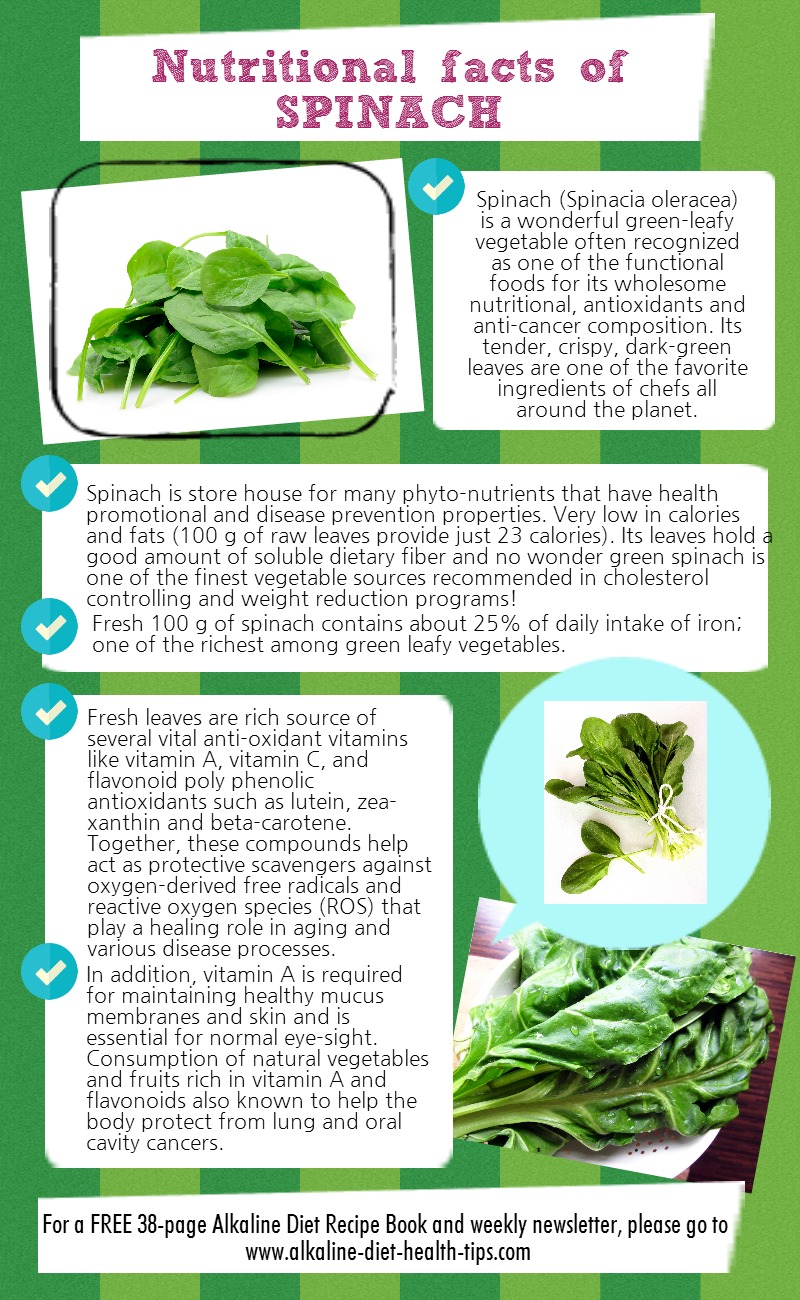
Spinach: A Brief History and Nutritional Profile
Spinach is a leafy green vegetable that has been consumed for centuries. It belongs to the amaranth family, which includes other vegetables such as beets and quinoa. Spinach is known for its nutritional value, particularly its high content of vitamins A and K, iron, calcium, and fiber.
The origins of spinach can be traced back to ancient Persia (modern-day Iran), where it was known as “aspanakh.” From there, it spread to neighboring countries such as India and eventually made its way to Europe during the 12th century. In fact, spinach became so popular in Europe that it was mentioned in literature by famous writers such as Shakespeare.
During the 1920s, spinach gained even more popularity due to a mistake made by a German chemist who accidentally misplaced a decimal point when calculating the vegetable’s iron content. This led many people to believe that spinach was an incredibly rich source of iron – much more than any other food at that time. While this turned out not to be true (spinach contains about three milligrams of iron per 100 grams), it did help cement spinach’s reputation as a healthy food.
Nutritional Profile
As previously mentioned, spinach is packed with nutrients essential for good health. One cup (30 grams) of raw spinach contains:
– Vitamin A: 56% of the Daily Value (DV)
– Vitamin C: 14% of DV
– Vitamin K: 181% of DV
– Folate: 15% of DV
– Iron: 5% of DV
– Calcium: 3% of DV
In addition to these vitamins and minerals, spinach also contains small amounts of other nutrients such as potassium and magnesium.
Health Benefits
Due to its impressive nutrient profile, consuming spinach regularly can have several benefits for overall health:
1. Improved Vision – The high vitamin A content in spinach can help prevent age-related macular degeneration, which is a leading cause of blindness in older adults.
2. Stronger Bones – Vitamin K plays a crucial role in bone health by helping to activate osteocalcin, a protein necessary for bone formation and repair.
3. Lower Blood Pressure – The nitrates found in spinach can help relax blood vessels and improve blood flow, which may lead to lower blood pressure levels.
4. Reduced Risk of Cancer – Spinach contains several antioxidants that have been shown to protect against certain types of cancer, such as breast and prostate cancer.
How To Incorporate Spinach Into Your Diet
Spinach can be consumed raw or cooked, depending on personal preference. Here are some ideas for incorporating this nutrient-rich vegetable into your diet:
1. Add it to smoothies – Blend spinach with other fruits and vegetables for a quick and easy breakfast or snack.
2. Make a salad – Combine raw baby spinach with other veggies such as cherry tomatoes, cucumber, avocado, and bell peppers for a healthy salad.
3. Sautéed Spinach – Heat up olive oil in the pan on medium heat then add chopped garlic until fragrant before adding the spinach leaves; cook until wilted then season with salt & pepper for an easy side dish or topping for grilled chicken/fish/tofu!
4. Use it as a base for sauces – Puree cooked spinach into pasta sauce or use it as the base of dips like hummus or tzatziki sauce.
5. Add it to soups and stews – Toss some fresh (or frozen) spinach into soups/stews during the last few minutes of cooking time.
Conclusion
Overall, spinach is an incredibly nutritious food that should be included in any healthy eating plan due to its numerous health benefits. Whether you prefer it raw or cooked, there are many ways to incorporate this leafy green into your diet. So why not give it a try and see how spinach can improve your overall health?

Leave a Reply