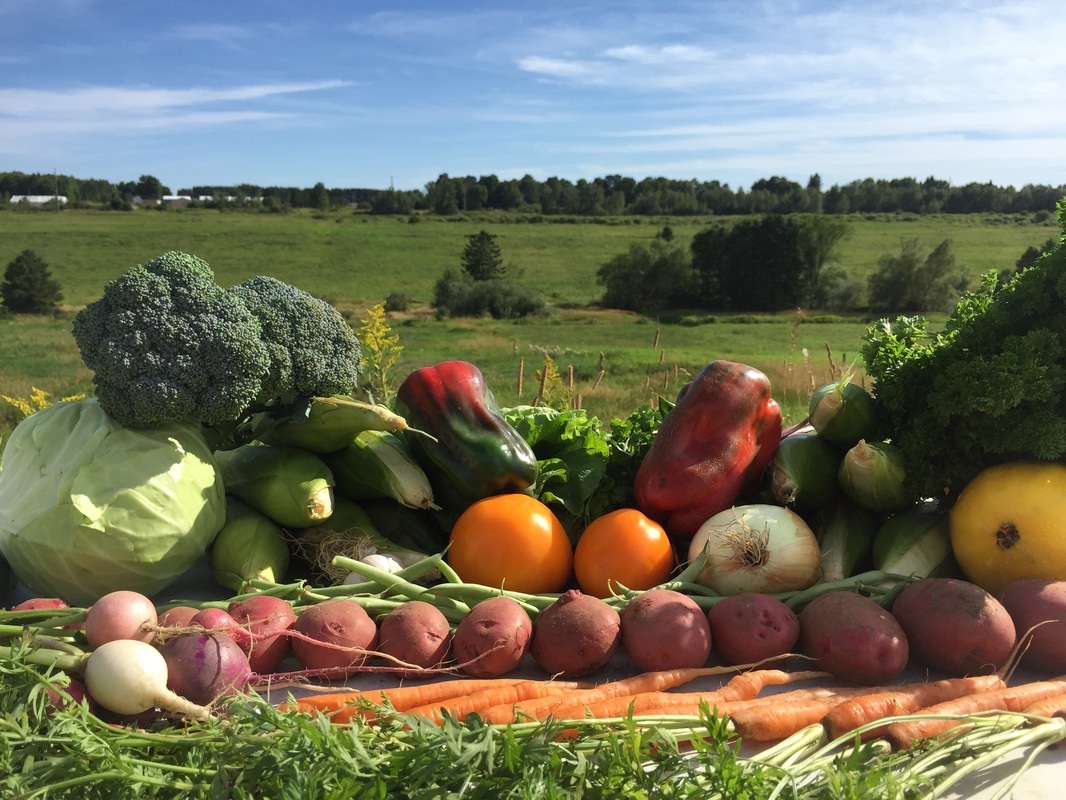
Community-supported agriculture (CSA) is a farming model that offers an opportunity for people to have direct access to fresh, locally grown produce. It’s a sustainable way of farming that creates relationships between farmers and consumers.
CSA programs work by having people pay upfront for a share of the farm’s harvest. This payment helps the farmer cover costs such as seeds, labor, equipment maintenance, and other expenses associated with running a successful farm. In exchange for their investment, members receive regular deliveries or pick-ups of seasonal produce throughout the growing season.
One significant benefit of CSA programs is that it provides consumers with fresh fruits and vegetables free from preservatives and chemical additives. The produce is harvested at its peak ripeness, which means it retains more nutrients than store-bought products picked before they’re ripe so they can withstand shipping distances.
Additionally, buying local food reduces our carbon footprint since it decreases the distance food has to travel from where it’s grown to where it’s consumed. By doing this we are supporting local economies while reducing greenhouse gas emissions.
Another benefit of CSA programs is that they encourage community involvement in farming activities. Members may be invited to visit the farm on occasion or participate in events like harvest festivals or volunteer days. This sense of community fosters stronger connections between people who live near each other while also creating greater appreciation for where our food comes from.
Moreover, CSA programs showcase how sustainable agriculture can provide healthy food options without compromising environmental health or social justice concerns. For instance, many small-scale farmers tend to adopt organic practices when managing their farms since these methods limit soil degradation and water pollution while promoting biodiversity.
However, there are some drawbacks associated with joining CSA programs too; one concern is receiving unfamiliar produce items you don’t know how to cook or prepare properly could lead them going bad if not prepared correctly hence causing wastage issues.
To address this issue some CSAs offer cooking classes or recipe ideas along with weekly produce deliveries. Others provide online resources to help members learn new recipes and cooking techniques. By doing this, they can help increase the value of the membership as well as reduce food waste.
In conclusion, CSA programs offer a sustainable way of accessing fresh, locally grown produce while fostering strong relationships between farmers and consumers. Investing in these programs supports local economies while reducing our carbon footprint by shortening the distance between where food is produced and where it’s consumed. However, before joining any CSA program, it’s crucial to research what is offered to ensure that you’re getting the best value for your investment.

Leave a Reply