Vitamin B9, also known as folate or folic acid, is a crucial nutrient that plays several essential roles in the body. It is a water-soluble vitamin that cannot be stored in the body for an extended period, which means that we need to consume it regularly through our diet or supplements to maintain optimal health.
Folate is especially important for pregnant women as it helps prevent birth defects in the baby’s brain and spinal cord. However, this vitamin is vital for everyone and can benefit our overall health significantly.
Here are some of the key benefits of Vitamin B9:
1. Promotes Healthy Pregnancy
As mentioned earlier, folate plays a critical role during pregnancy by preventing neural tube defects (NTDs) such as spina bifida and anencephaly. NTDs occur when the neural tube fails to close properly during early fetal development – usually within 28 days of conception.
A deficiency in folate increases the risk of NTDs; hence doctors often recommend taking folic acid supplements before conception and throughout pregnancy. The recommended daily intake of folate varies depending on age and gender; however, pregnant women require higher amounts than non-pregnant ones.
2. Supports Brain Health
Folate also contributes to maintaining good cognitive function by reducing inflammation levels in the brain and promoting healthy blood flow. Several studies have shown that high homocysteine levels are linked with cognitive decline, dementia, Alzheimer’s disease, and stroke.
Folate helps break down homocysteine into methionine – an amino acid required for DNA synthesis- thereby reducing its level in the bloodstream. In addition to that, research has also suggested a link between low folate levels and depression.
3. Boosts Immunity
Folate supports immune function by playing a significant role in cell growth and division – two processes necessary for building new cells needed by our immune system components like white blood cells. It also helps generate new antibodies, which help fight off infections and diseases.
4. Lowers Risk of Cardiovascular Disease
A diet rich in folate may lower the risk of cardiovascular disease by reducing homocysteine levels in the bloodstream. High levels of homocysteine can damage blood vessels, increasing the risk of heart attack, stroke, and other cardiovascular conditions.
In addition to that, folate also promotes healthy blood pressure levels by improving blood flow and preventing arterial stiffness.
5. Helps with Digestion
Folate plays a significant role in digestion by aiding enzyme production required for breaking down carbohydrates and fats into usable energy forms. It also supports gut health by promoting the growth of healthy gut bacteria that aid in nutrient absorption while reducing inflammation levels.
6. Supports Skin Health
Folate contributes to maintaining healthy skin by supporting collagen production – a protein found in connective tissues responsible for giving skin its elasticity and strength. Collagen is essential for wound healing as it helps repair damaged tissues.
A deficiency in folate may result in several skin-related problems such as rashes, acne, wrinkles, and premature aging.
7. Reduces Cancer Risk
Studies have suggested a link between low folate levels and an increased risk of certain cancers such as colon cancer, breast cancer, pancreatic cancer among others. Folate works together with vitamin B12 to promote DNA synthesis- a process crucial for cell division- thereby preventing mutations that could lead to uncontrolled cell growth (cancer).
Sources of Vitamin B9:
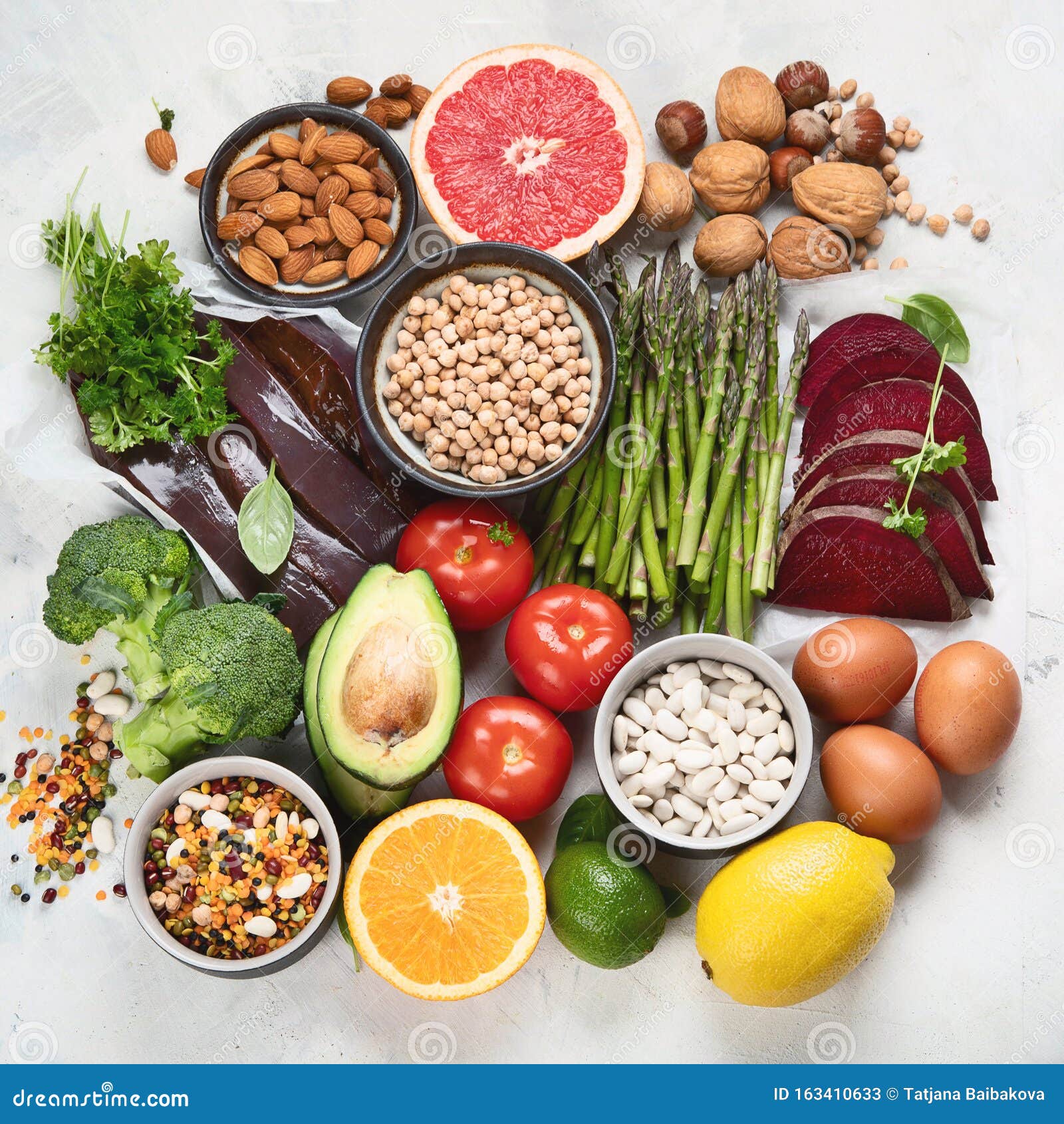
The best way to obtain adequate amounts of Vitamin B9 is through incorporating folate-rich foods into your daily diet or taking supplements if recommended by your doctor or nutritionist.
Here are some excellent sources of Vitamin B9:
1) Leafy Greens: Spinach, kale collards
2) Legumes: chickpeas lentils beans peas
3) Asparagus
4) Avocado
5) Broccoli
6) Citrus Fruits: Orange, grapefruit, lemon
7) Brussels sprouts
8) Beets
The recommended daily intake of folate varies depending on age and gender. However, here are some general guidelines to follow:
1) Infants (0-6 months): 65 mcg/day
2) Infants (7-12 months): 80 mcg/day
3) Children (1-3 years): 150 mcg/day
4) Children (4-8 years): 200 mcg/day
5) Children/Teens (9-13 years): 300 mcg/day
6) Adolescents/Adults(14+ years):400mcg/day
Pregnant women require higher amounts of folate – around 600 to 800mcg per day.
Conclusion:
Vitamin B9 or folate is a water-soluble vitamin that plays several critical roles in the body. It supports healthy pregnancies, brain function, immune system function while reducing cancer risk and promoting heart health.
It can be obtained through consuming leafy greens, legumes, citrus fruits among others in your diet or supplements if recommended by your doctor or nutritionist.
Remember that maintaining optimal levels of Vitamin B9 is essential for overall health and well-being. So make sure to incorporate folate-rich foods into your diet today!

Leave a Reply