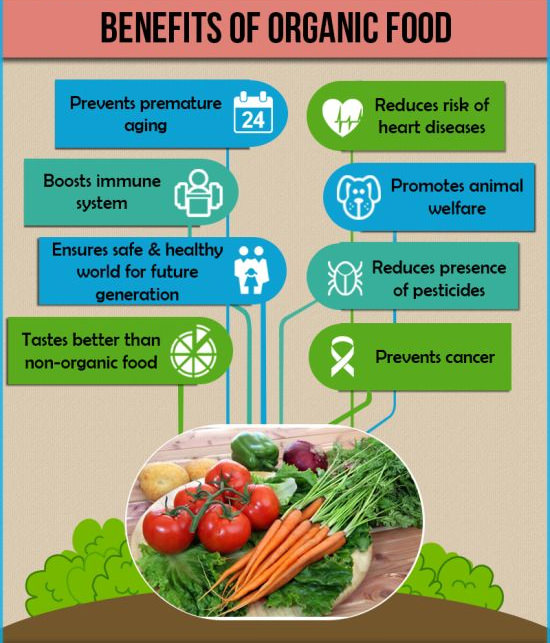
Organic farming has become increasingly popular in recent years as more people are becoming aware of the potential dangers of pesticides and other chemicals used in traditional farming practices. Organic farming is a method of growing crops using natural methods that do not involve the use of synthetic fertilizers, pesticides, or genetically modified organisms (GMOs).
The goal of organic farming is to create a sustainable and healthy environment for both the crops and the farmers who tend them. This means using techniques like crop rotation, composting, and natural pest control to ensure that the soil remains healthy and fertile over time.
One of the biggest benefits of organic farming is that it produces healthier food. Because organic farmers do not use synthetic chemicals on their crops, there are no harmful residues left behind when you eat them. This means that you can enjoy fruits and vegetables without worrying about ingesting harmful toxins.
Another benefit of organic farming is that it helps to protect our environment. Traditional agriculture relies heavily on chemical inputs like synthetic fertilizers and pesticides which can leach into groundwater, pollute rivers and streams, harm wildlife populations, and damage ecosystems. Organic farming avoids all these problems by working with nature instead of against it.
There are also economic benefits associated with organic farming. Studies have shown that small-scale organic farms can be just as profitable as larger conventional farms while also providing greater social equity for local communities. Additionally, many consumers are willing to pay a premium for organically grown produce which can provide additional income opportunities for small farmers.
While there are many benefits associated with organic farming, there are also some challenges involved in transitioning from conventional agriculture practices to an organic system. For example, because they do not rely on synthetic inputs like chemical fertilizers or pesticides, farmers may need to invest more time into soil management techniques such as crop rotations or cover cropping in order to maintain fertility levels over time.
Additionally, because they cannot rely on chemical sprays or treatments for pest control purposes, organic farmers may need to spend more time monitoring their crops for signs of insect damage or disease and implementing natural pest control methods such as companion planting or biological controls.
Despite these challenges, many farmers are finding that the benefits of organic farming outweigh the costs. By working with nature instead of against it, they can create healthy and sustainable food systems that benefit both people and the planet.
If you are interested in learning more about organic farming, there are many resources available online including blogs, podcasts, and instructional videos. You can also support local farmers who practice organic agriculture by shopping at farmer’s markets or joining a Community Supported Agriculture (CSA) program in your area.
In conclusion, organic farming is an important part of creating a healthier and more sustainable food system. By using natural methods like composting, crop rotation, and natural pest control techniques, farmers can produce healthier food while protecting our environment from harmful chemical inputs. While there are some challenges involved in transitioning to an organic system, many farmers are finding that the benefits far outweigh the costs.

Leave a Reply