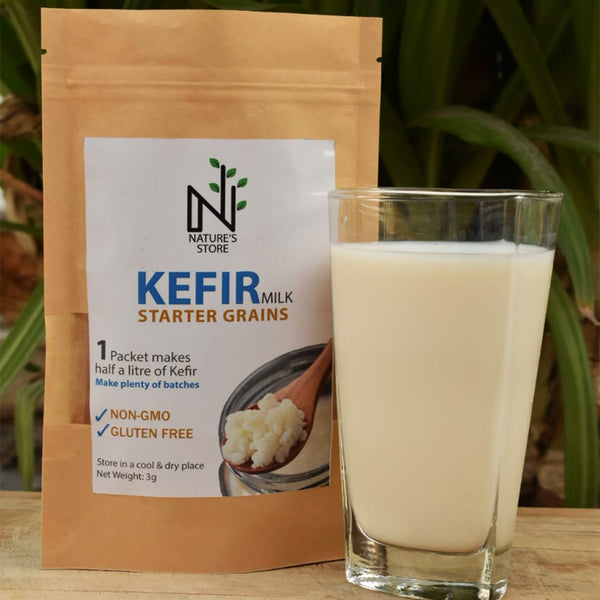
Kefir milk is a fermented milk drink that has been consumed for centuries. It is rich in probiotics, which are beneficial bacteria that can help improve gut health. Kefir milk also contains vitamins, minerals, and essential amino acids that make it a healthy beverage option.
One of the questions people often ask about kefir milk is why it is more expensive than regular cow’s milk. In this post, we will explore the factors that contribute to kefir milk pricing.
1. Production Cost
The production cost of kefir milk is higher than regular cow’s milk due to the fermentation process involved in making kefir. This process requires special equipment and careful monitoring to ensure the right balance of bacteria and yeast cultures are present in the final product.
2. Ingredients
To make kefir, you need two main ingredients: fresh whole or low-fat cow’s milk and kefir grains (a combination of bacteria and yeast cultures). The cost of these ingredients can vary depending on their quality and availability in different regions.
3. Packaging
Kefir milk typically comes in glass bottles or plastic containers with tamper-proof seals to ensure freshness and prevent contamination during transport. These packaging materials add an additional cost compared to regular cartons used for regular cow’s milk.
4. Branding & Marketing Costs
Many companies that produce kefir invest heavily in branding and marketing efforts to differentiate themselves from competitors selling similar products on shelves next door. As such, they charge more as a way to recoup these expenses while generating returns on investment.
5. Distribution Channels
The distribution channels for kefir are often more complex than those for conventional dairy products because they require specialized storage conditions during transportation due to their bacterial nature compared with other dairy items such as cheese or butter.
6. Supply Chain Challenges
Finally, some challenges may arise when sourcing raw materials required for producing high-quality kefir – including variable supply quantities or ingredient availability issues. These challenges further increase the production costs and eventually lead to higher pricing.
In conclusion, kefir milk is more expensive than regular cow’s milk due to a variety of factors such as production cost, ingredients, packaging materials, branding & marketing expenses, complex distribution channels, and supply chain issues. However, kefir milk remains an excellent option for those seeking better gut health and overall well-being. So next time you reach for a bottle of kefir at your local grocery store or farmers market – remember that the price tag reflects its unique process and high-value composition.

Leave a Reply