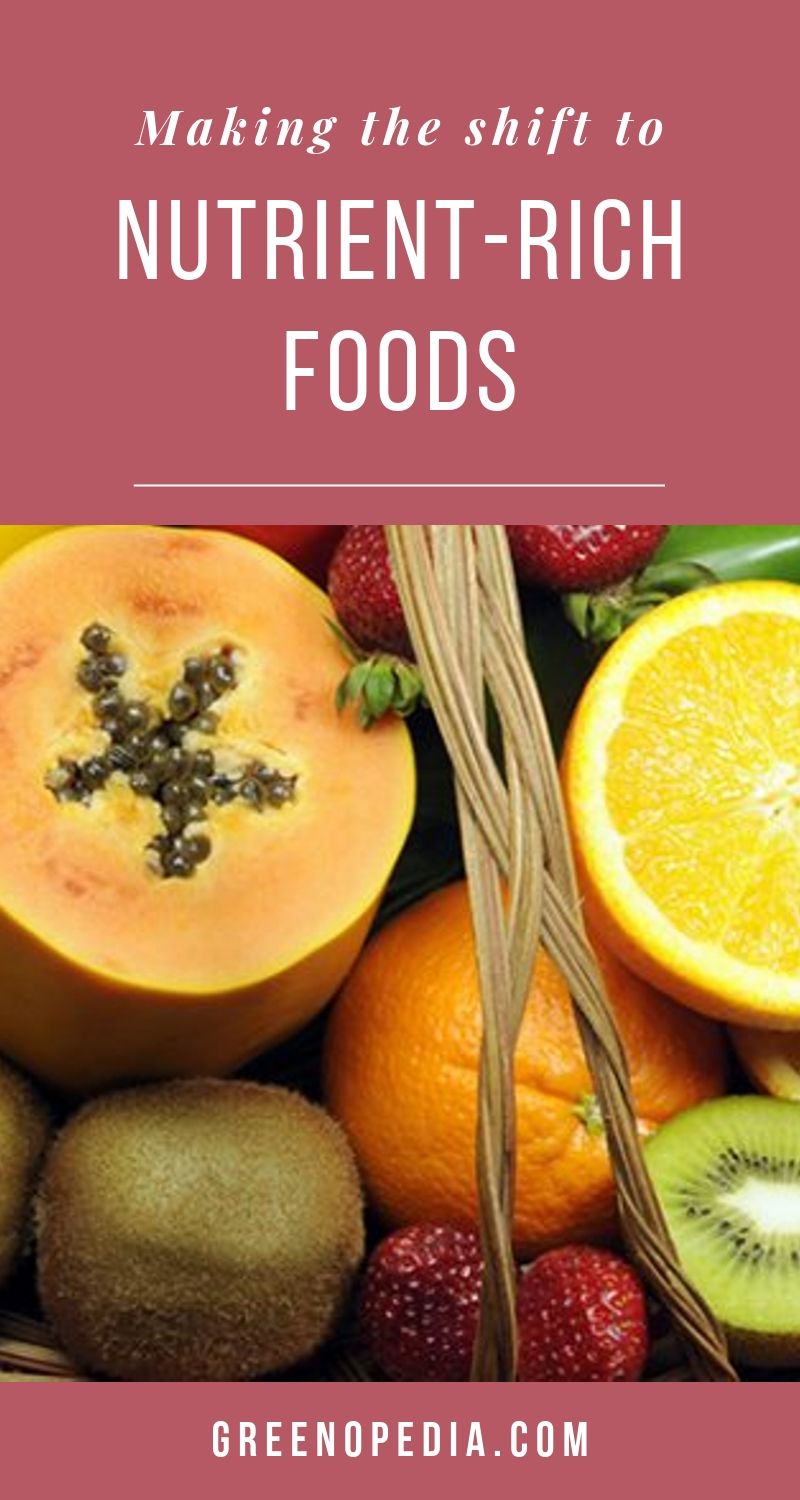
Nutritional Value: Why It Matters for Your Health
The food we eat plays a vital role in our health and well-being. The nutritional value of the food we consume affects every aspect of our body, from how we look and feel to how well we function. Therefore, it’s essential to understand the importance of nutritional value when making dietary choices.
What is Nutritional Value?
Nutritional value refers to the nutrients present in different types of foods that contribute towards maintaining good health. These nutrients include vitamins, minerals, carbohydrates, proteins, fats, fiber and water.
Why is Nutritional Value Important?
Consuming foods with high nutritional value has many benefits for your overall health:
1) Helps maintain a healthy weight
2) Reduces the risk of chronic diseases like heart disease and diabetes.
3) Boosts energy levels
4) Supports brain function
5) Improves digestion
6) Strengthens bones and muscles
How Can You Determine Nutritional Value?
To determine the nutritional value of any particular food item you can use tools such as food labels or consult a nutritionist. Food labels often provide information about serving sizes per package, calorie content per serving size as well as nutrient values such as protein or fat content. Additionally, consulting with a registered dietitian/nutritionist can help you develop an appropriate meal plan based on your specific dietary requirements.
Which Foods Have High Nutritional Value?
Many whole foods are packed with high amounts of various nutrients that are extremely beneficial for your body:
1) Fruits- they are low in calories but rich in fiber (particularly soluble fiber), vitamins C & A.
2) Vegetables- contain vital minerals like potassium & magnesium along with vitamins K & C.
3) Legumes – beans and lentils are excellent sources of plant-based protein while also containing iron which helps transport oxygen throughout your body.
4) Nuts – nuts provide a great source of healthy fats that are important for cell growth and function, as well as fiber which helps keep you feeling full.
5) Whole grains – whole grains like quinoa, brown rice, and oats contain essential vitamins & minerals such as iron and B-complex vitamins.
In conclusion, it’s crucial to understand the importance of nutritional value when making dietary decisions. Consuming foods that are rich in nutrients can benefit your overall health in numerous ways. Fruits, vegetables, legumes, nuts and whole grains are just a few examples of nutrient-rich foods that should be part of your daily diet. By making these changes to your eating habits you can achieve optimal health and well-being!

Leave a Reply