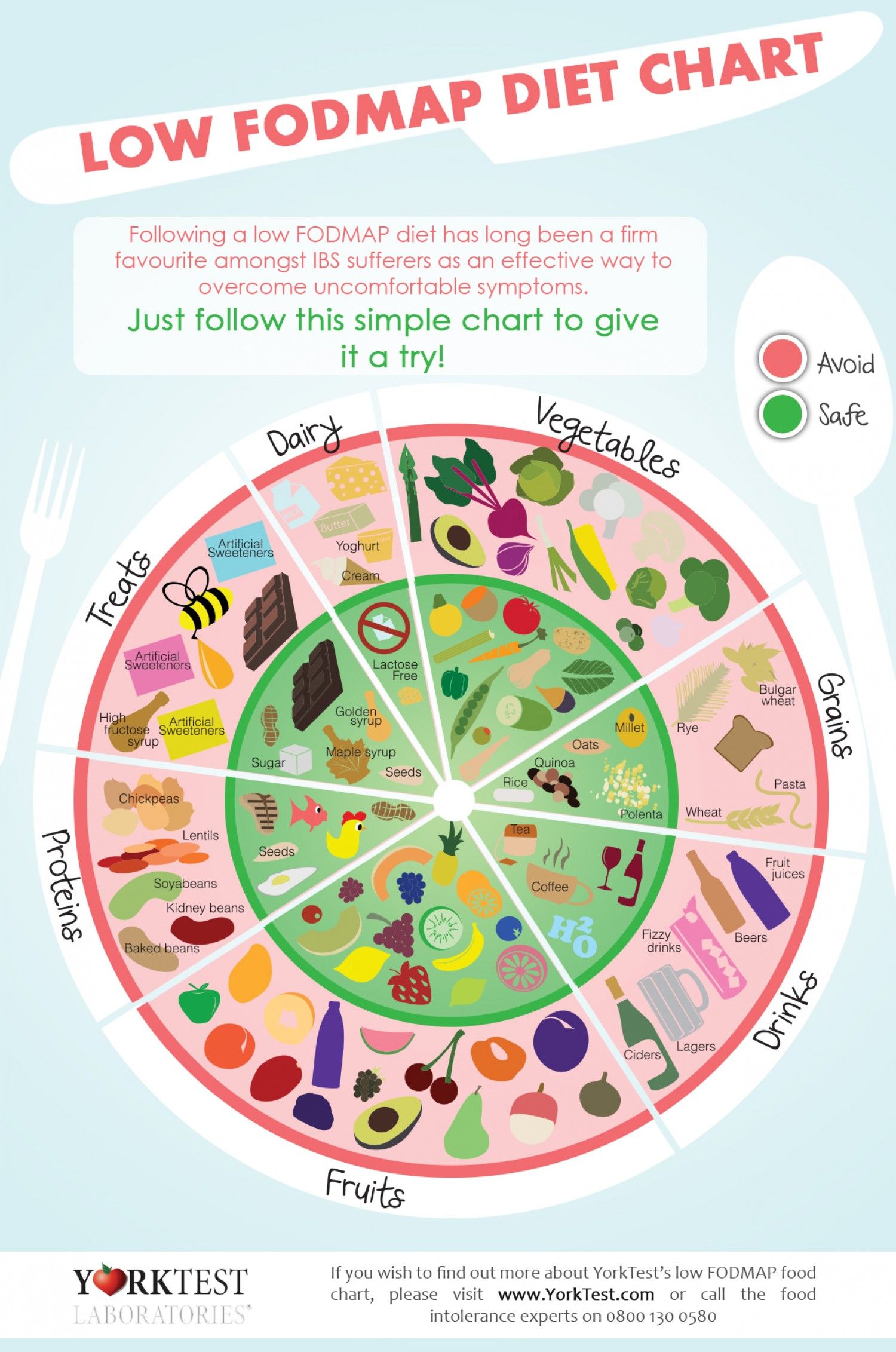
As more and more people suffer from gut-related issues like Irritable Bowel Syndrome (IBS), bloating, gas, constipation, and diarrhea, a diet that has been gaining popularity is the FODMAPs diet. FODMAPs stands for Fermentable Oligo-, Di-, Mono-saccharides And Polyols. These are short-chain carbohydrates and sugar alcohols found in many foods that can cause digestive distress in some people.
The main idea behind the FODMAPs diet is to avoid or limit foods high in these types of carbs so that they don’t ferment in the gut and cause symptoms. But since everyone’s tolerance level for FODMAPs varies, it’s important to work with a registered dietician or healthcare provider to customize your intake.
Here are ten tips to help you understand FODMAPs better:
1. Know what foods contain high levels of FODMAPs
Foods containing high levels of oligosaccharides include wheat, rye, barley, onions, garlic, legumes such as chickpeas and lentils; fructans like artichokes, asparagus; galactooligosaccharides such as beans and lentils; disaccharides like milk; monosaccharides such as honey or apples; and polyols like xylitol.
2. Not all “healthy” food is compatible with this type of eating habit
While many healthy foods contain moderate-to-high amounts of FODMAPS , it’s essential to know which ones you can eat without upsetting your stomach. For instance: cauliflower contains both GOS (galacto-oligosaccharides) and fructose making it an unsuitable choice if you’re on a low-FODMADPS diet.
3. Introduce one new food item at a time
It’s always best to start by eliminating all high-FODMAP foods from your diet for a few weeks before slowly reintroducing them. This way, you can identify which foods trigger your symptoms so that you can make better decisions in the future.
4. Eat more low-FODMAP fruits and vegetables
Some of the best low-FODMAP fruits include oranges, strawberries, kiwi fruit and grapes. Vegetables such as bell peppers, greens like spinach or kale, tomatoes or cucumbers are all good choices as well.
5. Avoid sugar alcohols
Sugar-alcohols like xylitol and sorbitol are often found in chewing gum, candy bars and other sweetened products marketed to people with digestive complaints. However, they can cause bloating or diarrhea if consumed in large quantities.
6. Keep a food diary
Keeping track of what you eat each day will help you pinpoint which types of food trigger your symptoms so that you can avoid them in the future.
7. Plan meals ahead of time
Meal planning is an essential part of any healthy eating plan – even more so when following a FODMAPs diet! By knowing what to eat ahead of time, it’s easier to stick to your goals without feeling deprived.
8. Don’t skip meals
Skipping meals is never recommended on this type of eating plan because it can lead to binge eating later on in the day which could upset digestion further down the line.
9. Limit caffeine intake
Caffeine is known for its laxative effect on some people’s guts; therefore it may exacerbate gut issues if taken excessively especially those who suffer IBS-D (diarrhea-predominant).
10. Exercise regularly
Exercise helps stimulate bowel movements while also helping reduce stress levels – making it one great tool for managing IBS-related symptoms!
The FODMAPs diet has been shown to be effective at reducing gut-related symptoms in many individuals suffering from gut issues such as Irritable Bowel Syndrome. However, it is important to work with a registered dietician or healthcare provider to customize your intake based on your individual needs and tolerance level. By following these tips, you can get started on the right track towards better gut health!

Leave a Reply