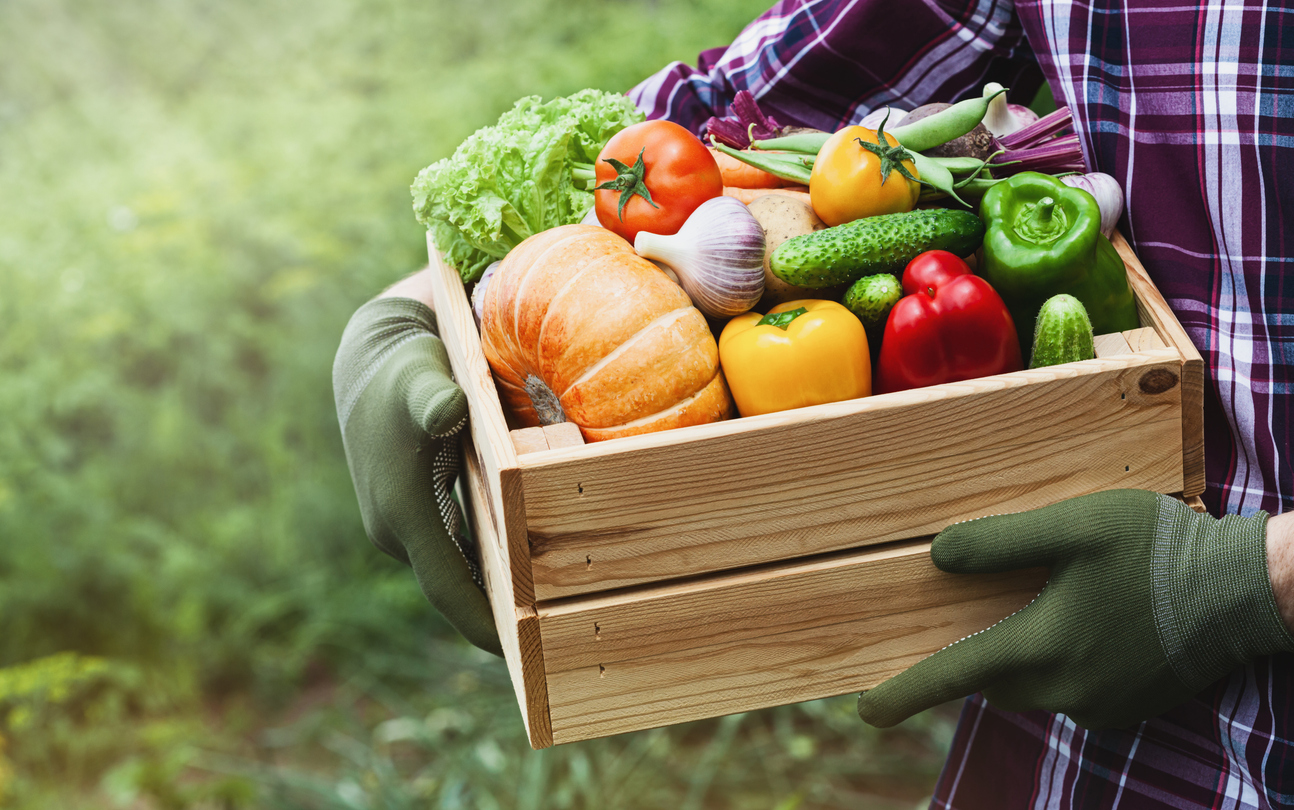
Investing in Sustainable Food Sources: A Smart Choice for Our Health and Environment
Sustainable food is the future, and it is a smart investment choice. Investing in sustainable food sources not only benefits our health but also helps protect the environment. With increasing awareness of climate change and its impact on our planet, more people are looking for ways to make a positive change. One way we can do this is by investing in sustainable food sources.
What are Sustainable Food Sources?
Sustainable food sources are those that meet the needs of present generations without compromising the ability of future generations to meet their own needs. This means that these foods are produced in ways that minimize harm to the environment, promote animal welfare, and support local communities.
Examples of sustainable food sources include organic produce grown without synthetic pesticides or fertilizers; grass-fed beef raised without antibiotics or growth hormones; wild-caught fish from well-managed fisheries; and plant-based products made from sustainably sourced ingredients.
Why Invest in Sustainable Food Sources?
There are several reasons why investing in sustainable food sources makes sense:
1. Health Benefits
Sustainable foods tend to be healthier because they have fewer chemicals and additives than conventional foods. Organic fruits and vegetables, for example, contain higher levels of antioxidants than conventionally grown produce. Grass-fed beef has a better ratio of omega-3 to omega-6 fatty acids than grain-fed beef, which can reduce inflammation in the body.
2. Environmental Benefits
Conventional agriculture relies heavily on fossil fuels, synthetic fertilizers, and pesticides which contribute to climate change through greenhouse gas emissions. In contrast, sustainable farming practices like crop rotation and cover cropping can improve soil health while reducing erosion and water pollution.
3. Social Benefits
Investing in sustainable farms supports local communities by providing jobs that pay fair wages while preserving traditional farming methods. It also promotes biodiversity by encouraging farmers to grow diverse crops instead of monocultures that deplete soil nutrients over time.
How to Invest in Sustainable Food Sources
There are several ways to invest in sustainable food sources, including:
1. Direct Investment
Direct investment involves purchasing equity shares or bonds issued by sustainable food companies. This can include organic food producers, natural foods retailers, and sustainable agriculture technology firms.
2. Impact Investing
Impact investing is a type of investment that seeks to generate both financial returns and positive social or environmental outcomes. Impact investors may choose to invest in companies that support sustainable farming practices, fair labor practices, or animal welfare.
3. Publicly Traded Companies
Publicly traded companies that produce sustainable foods can also be a good investment choice. These include large multinational corporations like Danone and Nestle as well as smaller niche players like Beyond Meat and Hain Celestial Group.
4. Crowdfunding Platforms
Crowdfunding platforms allow individuals to directly invest in sustainable farms or food-related projects. This can include community-supported agriculture (CSA) programs, urban gardens, and farm-to-table restaurants.
Risks Involved in Investing in Sustainable Food Sources
Like any investment opportunity, investing in sustainable food sources carries some risks:
1. Market Volatility
Sustainable foods are still a relatively new market segment compared to conventional agriculture which could lead to higher volatility since the market is not yet matured.
2. Regulatory Risks
Regulations affecting the production of sustainable foods could change quickly which would affect their profitability unpredictably.
3. Limited Liquidity
Some investments such as crowdfunding platform investments might have limited liquidity if there isn’t an established secondary market for these types of investments.
In Conclusion,
Investing in sustainable food sources has many benefits beyond just financial ones – health benefits from eating healthier products produced without chemicals; environmental benefits through reduced carbon footprint; social benefits by supporting communities with jobs paying fair wages who use traditional farming methods while preserving biodiversity through diverse crops instead of monocultures depleting soil nutrients over time. As with any investment, there are also risks involved, but the rewards of investing in sustainable food sources make it a smart choice for those looking to make a positive difference in the world while also earning returns on their investments.

Leave a Reply