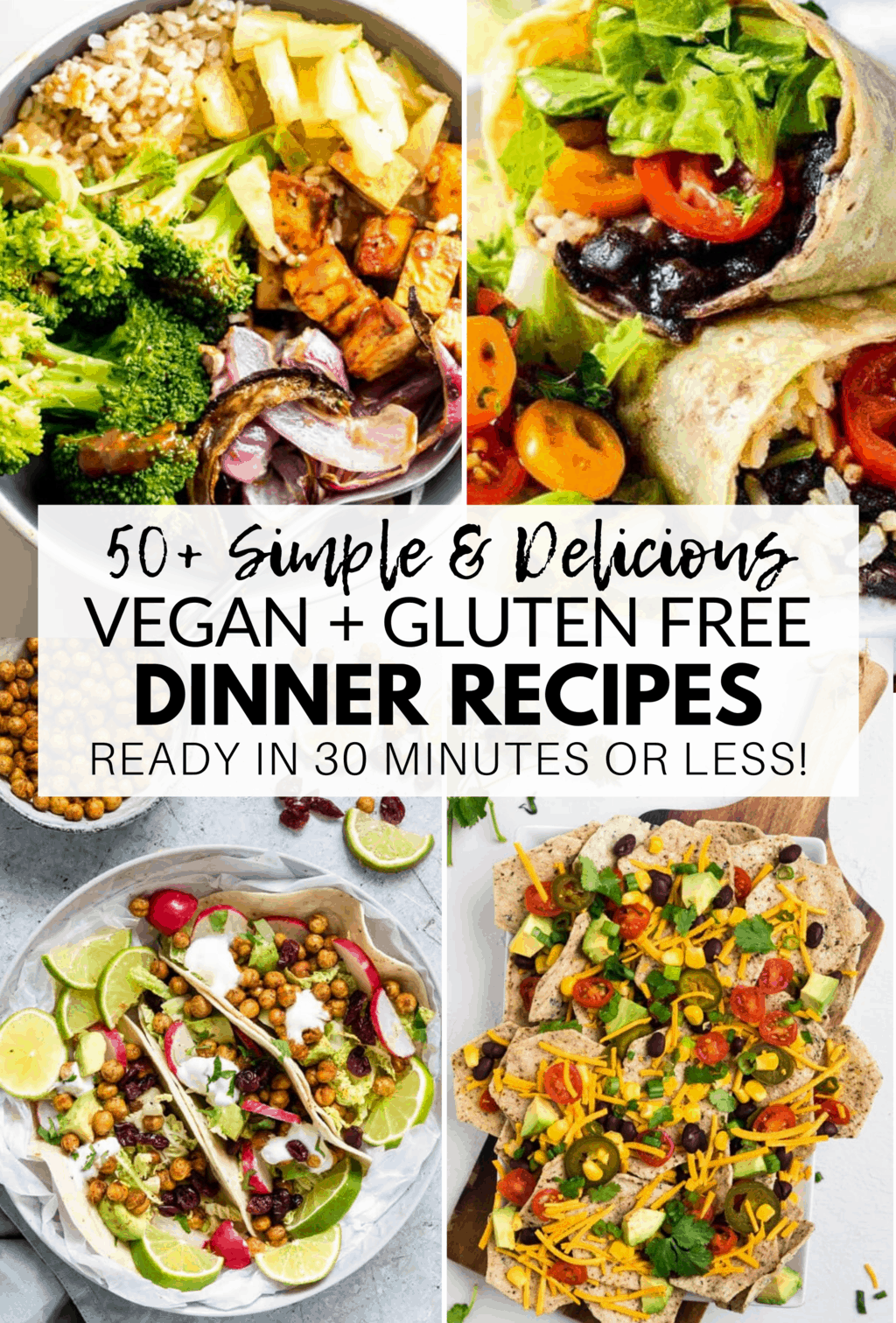
Vegan and gluten-free diets have gained a lot of attention over the years due to their potential health benefits. More people are adopting these lifestyles as they aim to improve their overall well-being, while others do it for environmental or ethical reasons.
A vegan diet excludes all animal products, including meat, dairy, and eggs. On the other hand, gluten-free diets exclude any food that contains gluten, a protein found in wheat, barley and rye.
When it comes to healthy eating habits, both vegan and gluten-free options provide unique advantages such as improved digestion and reduced inflammation. However, some individuals may find it challenging to incorporate these diets into their daily routine because of limited food options or lack of knowledge about proper nutrition.
Fortunately, there is an increasing number of restaurants and grocery stores offering vegan and gluten-free alternatives. Many plant-based foods like fruits vegetables legumes nuts seeds are naturally free from gluten while providing many essential nutrients.
Some excellent sources of protein that can be included in a vegan diet include beans (black beans), lentils (red lentil), tofu/tempeh(fermented soybean product) quinoa (a pseudo-grain) nuts (almonds/walnuts) hemp/chia seeds etcetera.
Additionally, incorporating fortified cereal with almond milk provides adequate vitamin B12 calcium iron which are nutrients commonly associated with animal products but can also be obtained through plant-based sources.
For those on a gluten-free diet looking for grains to replace wheat barley or rye on their plates should try out rice millet sorghum amaranth buckwheat corn among others; these varieties offer fiber vitamins minerals complex carbohydrates required by our body without causing any adverse effects on one’s digestive system
Another great way to incorporate more variety into your meals is by experimenting with different spices herbs sauces dressings marinades which add flavor while elevating nutrient content
It’s important not to forget about snacking too! Snacks such as raw veggie sticks with hummus or guacamole fresh fruit nuts seeds and gluten-free crackers can help keep your energy levels up between meals.
When it comes to dining out, many restaurants nowadays cater to vegan and gluten-free options. Some great alternatives include plant-based burgers made from vegetables beans or lentils; salads with nut-based dressings or avocado instead of cheese croutons; rice bowls with tofu/tempeh (if you’re a fan) roasted veggies and sauces made without soy sauce.
However, it’s crucial to always double-check the ingredients in any meal before ordering at a restaurant. Some dishes may contain hidden animal products or gluten that could be harmful if you have dietary restrictions.
In conclusion, both vegan and gluten-free diets offer unique health benefits that can improve one’s overall well-being. Whether you choose to follow these lifestyles for ethical reasons or health concerns, there are plenty of delicious food options available to satisfy any craving while providing all the essential nutrients required by our body.

Leave a Reply