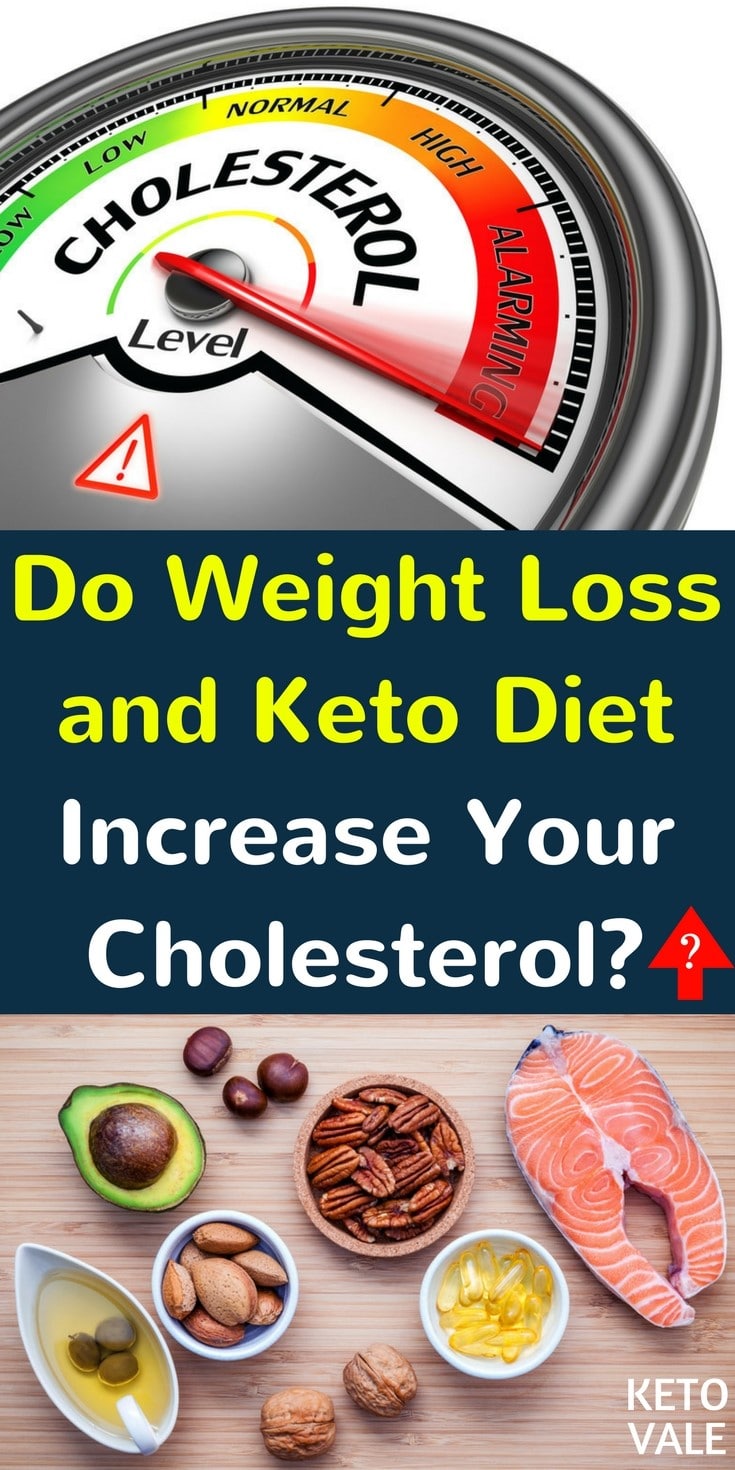
Keto and Cholesterol Levels: Exploring the Link
The ketogenic diet, or keto for short, has become increasingly popular in recent years as a weight loss and health improvement strategy. It involves drastically reducing carbohydrate intake while increasing fat consumption to promote ketosis – a metabolic state where the body burns fat for energy instead of glucose from carbohydrates. While this diet has shown promising results in terms of weight loss and other health benefits, there are concerns about its effects on cholesterol levels. In this post, we’ll explore the link between keto and cholesterol levels.
Understanding Cholesterol
Firstly, it’s important to understand what cholesterol is and why it’s necessary for our bodies. Cholesterol is a type of fat that plays an essential role in building cell membranes and producing hormones such as estrogen, testosterone, and vitamin D. Our bodies produce cholesterol naturally in the liver but we also get it from food sources like meat, dairy products, eggs, and some plant-based foods.
There are two types of cholesterol – low-density lipoprotein (LDL) or “bad” cholesterol that can clog arteries leading to heart disease, stroke or other circulatory problems; and high-density lipoprotein (HDL) or “good” cholesterol that helps remove excess LDL from arteries.
Cholesterol Levels on Keto
One concern raised about the keto diet is its effect on LDL levels because it involves consuming high amounts of saturated fats which can raise LDL levels. However studies have shown mixed results with some showing increases in LDL while others show no significant change.
A 2018 meta-analysis published by The Lancet found that people following a very low-carb ketogenic diet had higher total cholesterol levels than those following a low-fat diet after one year but there was no significant difference between groups when it came to cardiovascular events like heart attack or stroke.
Another study published by The Journal of Lipid Research found that even though participants’ LDL levels increased significantly in the first six months of following a keto diet, they returned to baseline levels by 12 months.
It’s worth noting that while LDL cholesterol is often referred to as “bad” cholesterol, it’s not inherently bad. It only becomes harmful when there’s too much of it in the bloodstream or when it oxidizes and forms plaque in the arteries.
HDL Levels on Keto
While some studies have shown an increase in LDL levels with keto, many have also found improvements in HDL levels which is a good thing because HDL helps remove excess LDL from arteries. A 2016 study published in Nutrition & Metabolism found that participants following a ketogenic diet for three months experienced significant increases in HDL compared to those on a low-fat diet.
Another study published by The Journal of Lipid Research found that after one year on a keto diet, participants had increased HDL levels and decreased triglyceride (another type of fat) levels compared to those on a low-glycemic index diet.
In summary, while there may be concerns about the effect of keto on LDL cholesterol levels, research has shown mixed results and even if there are increases initially, they tend to return to baseline over time. There are also potential benefits for HDL and triglyceride levels which can improve overall cardiovascular health.
Other Factors Affecting Cholesterol Levels
It’s important to note that dietary factors aren’t the only ones affecting cholesterol levels. Genetics play a role too – some people naturally produce more cholesterol than others regardless of their diets. Lifestyle factors like smoking, stress and lack of exercise can also affect cholesterol levels negatively.
That said, adopting healthy lifestyle habits alongside dietary changes can further support heart health. Exercise has been shown to raise HDL while reducing LDL; quitting smoking reduces oxidative stress which contributes to plaque formation; and managing stress through techniques like meditation or yoga has been linked with lower total cholesterol and improved lipid profiles.
Conclusion
In conclusion, while there may be concerns about the effect of the keto diet on cholesterol levels, research has shown mixed results and it’s important to consider other factors that can affect cholesterol levels such as genetics and lifestyle choices. Adopting healthy habits like regular exercise and stress management alongside dietary changes can further support heart health. As always, if you’re considering making any major dietary changes, it’s best to consult with a healthcare professional first to make sure it’s safe for you.

Leave a Reply