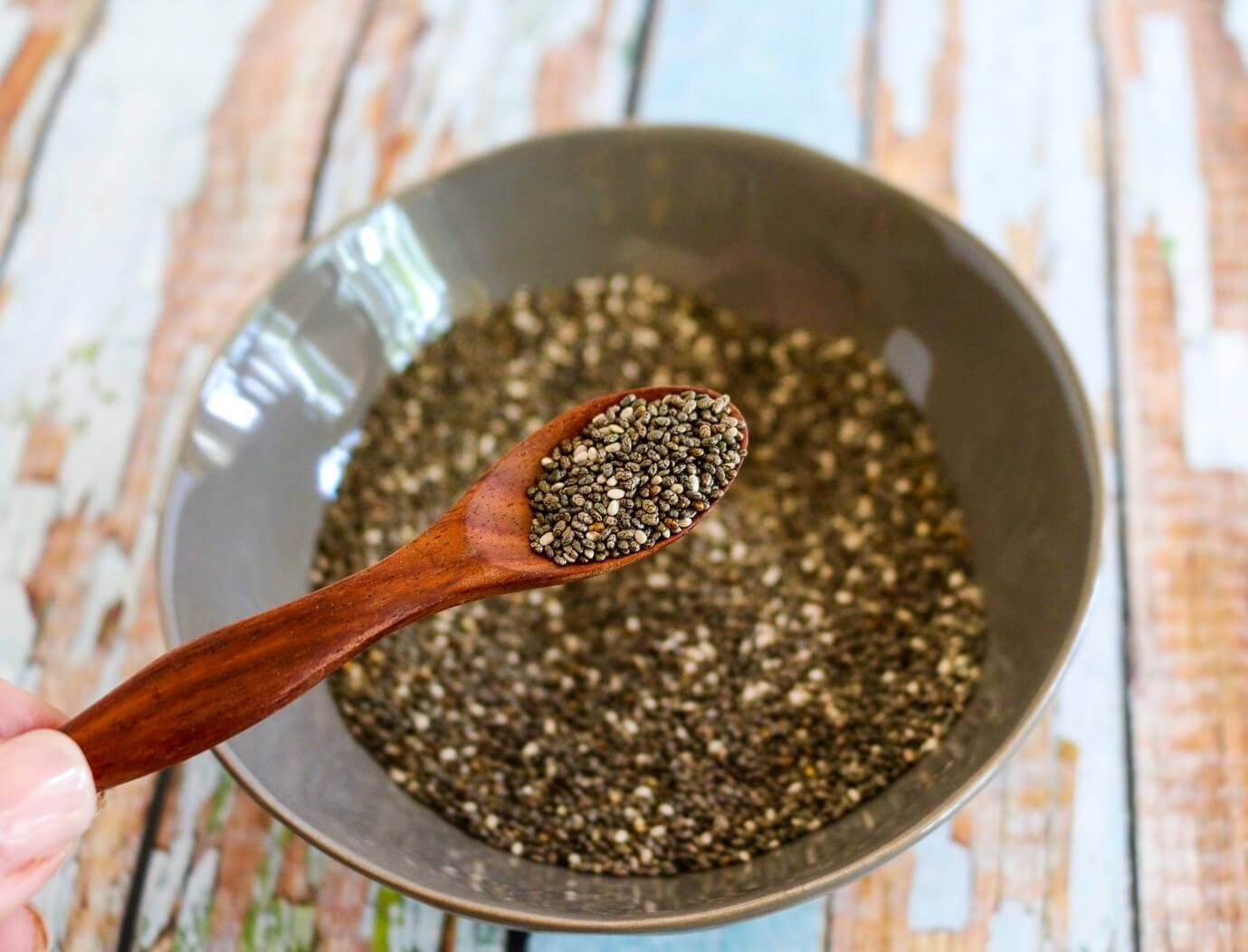
Chia seeds are a great addition to any healthy diet. They are packed with nutrients and can be used in a variety of recipes, from smoothies to baked goods. However, if you want to get the most out of your chia seeds, it’s important to store them properly. In this post, we’ll discuss how to store chia seeds so that they stay fresh for as long as possible.
Firstly, it’s important to understand the shelf life of chia seeds. Chia seeds have a relatively long shelf life compared to other types of seeds and nuts because they contain natural antioxidants that help prevent spoilage. However, their freshness can still be compromised by improper storage.
The best way to store chia seeds is in an airtight container in a cool and dry place away from direct sunlight. This ensures that the moisture content remains low and prevents oxidation which can lead to rancidity.
A glass jar with an air-tight lid is ideal for storing chia seeds because it keeps out moisture and light while allowing you to monitor the contents easily without having to open the container frequently.
If you don’t have an air-tight jar on hand, plastic containers or bags will also work provided they are completely sealed before being stored away.
Refrigeration or freezing is not necessary when storing chia seeds but if you live in a humid climate or plan on keeping them for longer than six months then refrigeration might help extend their shelf life further.
However, one thing people need keep in mind is not exposing these tiny superfoods close proximity heat sources such as stove tops or ovens etc., since exposure temperature higher than 150°F (66°C) may damage the omega-3 fatty acids contained within them leading loss of nutritional value overtime
Another factor that can affect the quality of your chia seed storage is where you buy them from; when purchasing always ensure that packages state expiry dates clearly printed on them, and always buy from a reputable retailer.
Another thing to keep in mind is that you should only buy as much chia seed as you will use within a reasonable amount of time. If you purchase large quantities but don’t use them frequently then it may be best to store them in smaller containers or bags which can help reduce spoilage by minimizing exposure to air.
If you’re not sure how long your chia seeds have been stored for, it’s always better to err on the side of caution and throw them out if they smell musty or rancid.
Now let’s talk about some common misconceptions regarding storage of Chia Seeds:
One myth is that freezing chia seeds increases their nutritional value – this isn’t true because the nutrients are already present in the seed whether it’s fresh or frozen. Freezing simply helps prolong shelf life if stored properly
Another myth suggests soaking Chia Seeds overnight before storing them can increase their longevity – However, soaking Chia Seeds before storing doesn’t add any additional benefits when compared with dry storage methods since they already contain enough moisture naturally
In conclusion, keeping your chia seeds fresh starts with proper storage techniques. Ensure they’re kept away from heat sources such as stovetops and ovens, stored in an air-tight container at room temperature away from sunlight & humidity; refrigeration may also help extend shelf-life further without altering nutrient values significantly. Remember that buying small amounts regularly reduces waste while ensuring freshness every time!

Leave a Reply