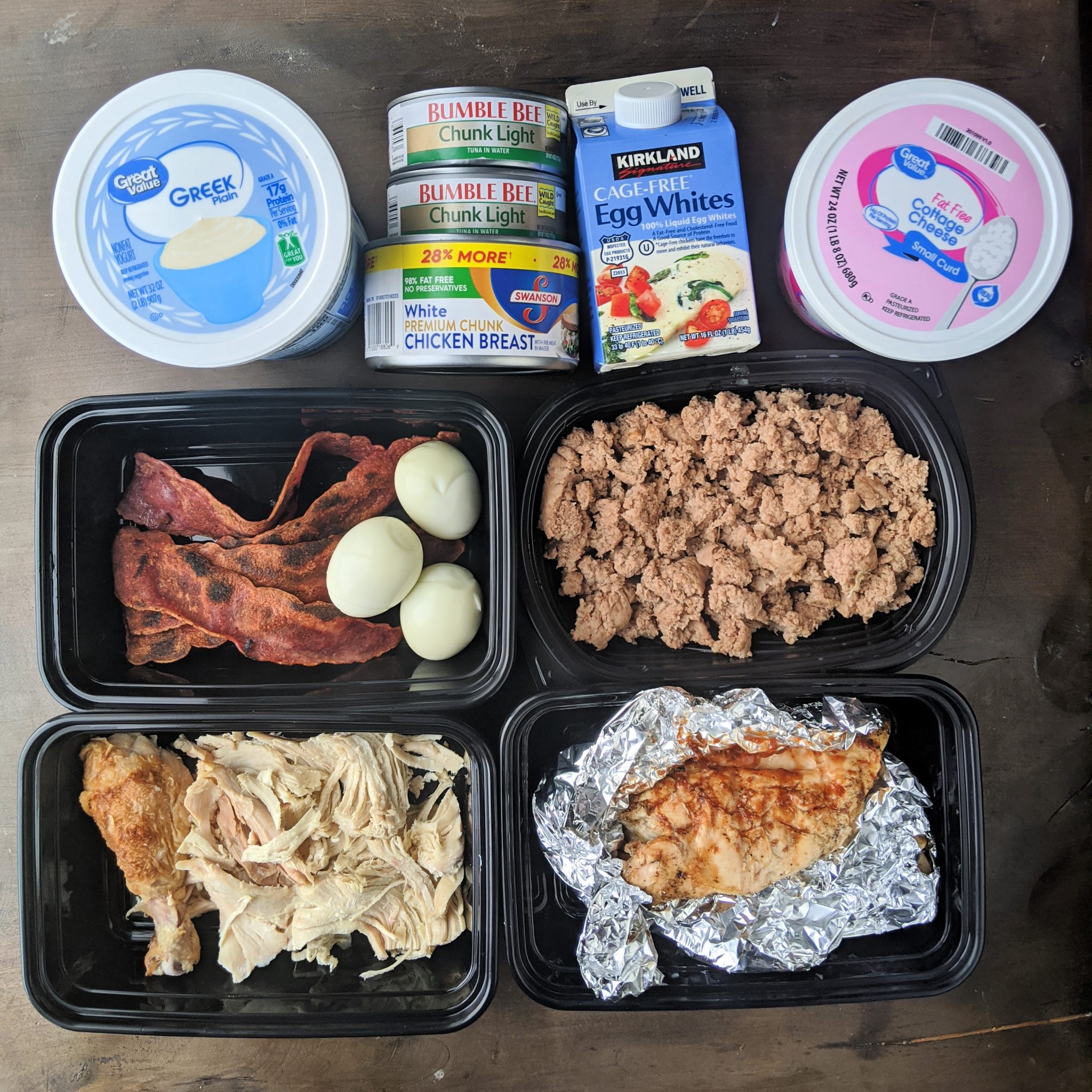
Meal prep has become increasingly popular in recent years, with many people turning to this method of food preparation as a way to save time and money while maintaining a healthy diet. For those following high-protein diets, meal prep can be an especially effective strategy for staying on track with their nutritional goals.
The economics of meal prep for high-protein diets are multifaceted. On the one hand, purchasing ingredients in bulk and preparing meals at home is often significantly cheaper than eating out or buying pre-packaged meals from grocery stores. This allows individuals to stretch their budgets further while still being able to stick to a nutritious diet.
In addition, meal prep can also help reduce food waste. By planning out meals ahead of time and portioning ingredients accordingly, individuals can ensure that they use up all the food they purchase without having excess go to waste. This not only saves money but also reduces environmental impact.
When it comes specifically to high-protein diets, meal prep can be particularly beneficial due to the cost of protein-rich foods like meat and fish. By purchasing these items in bulk and cooking them ahead of time, individuals can save money while ensuring they get enough protein each day.
Of course, there are some potential downsides to consider when it comes to the economics of meal prep for high-protein diets as well. For example, investing in quality storage containers and kitchen equipment may require an upfront investment that some people aren’t able or willing to make.
Additionally, some people may find that they end up wasting more food than expected despite their best efforts at planning ahead. While this isn’t necessarily unique to high-protein diets or meal prep specifically, it’s worth considering as part of the overall economic picture.
Despite these potential drawbacks though, for many people the benefits outweigh any costs associated with meal prepping for high-protein diets. In addition to saving money on groceries over time and reducing food waste overall, it can also help individuals stay on track with their nutritional goals and avoid the temptation to make less healthy choices when they’re short on time.
There are a few key strategies that can help maximize the economic benefits of meal prep for high-protein diets specifically. For example, purchasing items like chicken breasts or ground beef in bulk and freezing them until needed can be a cost-effective way to ensure you always have protein-rich options available without breaking the bank.
Similarly, planning meals around cheaper protein sources like eggs, tofu, or plant-based proteins can also help keep costs down while still allowing for plenty of variety in your diet.
Overall, there’s no doubt that meal prep can be an effective strategy for those following high-protein diets looking to save money and stay on track with their nutritional goals. By considering some of these economics-focused tips and tricks, anyone can reap the benefits of this approach while minimizing any potential downsides.

Leave a Reply