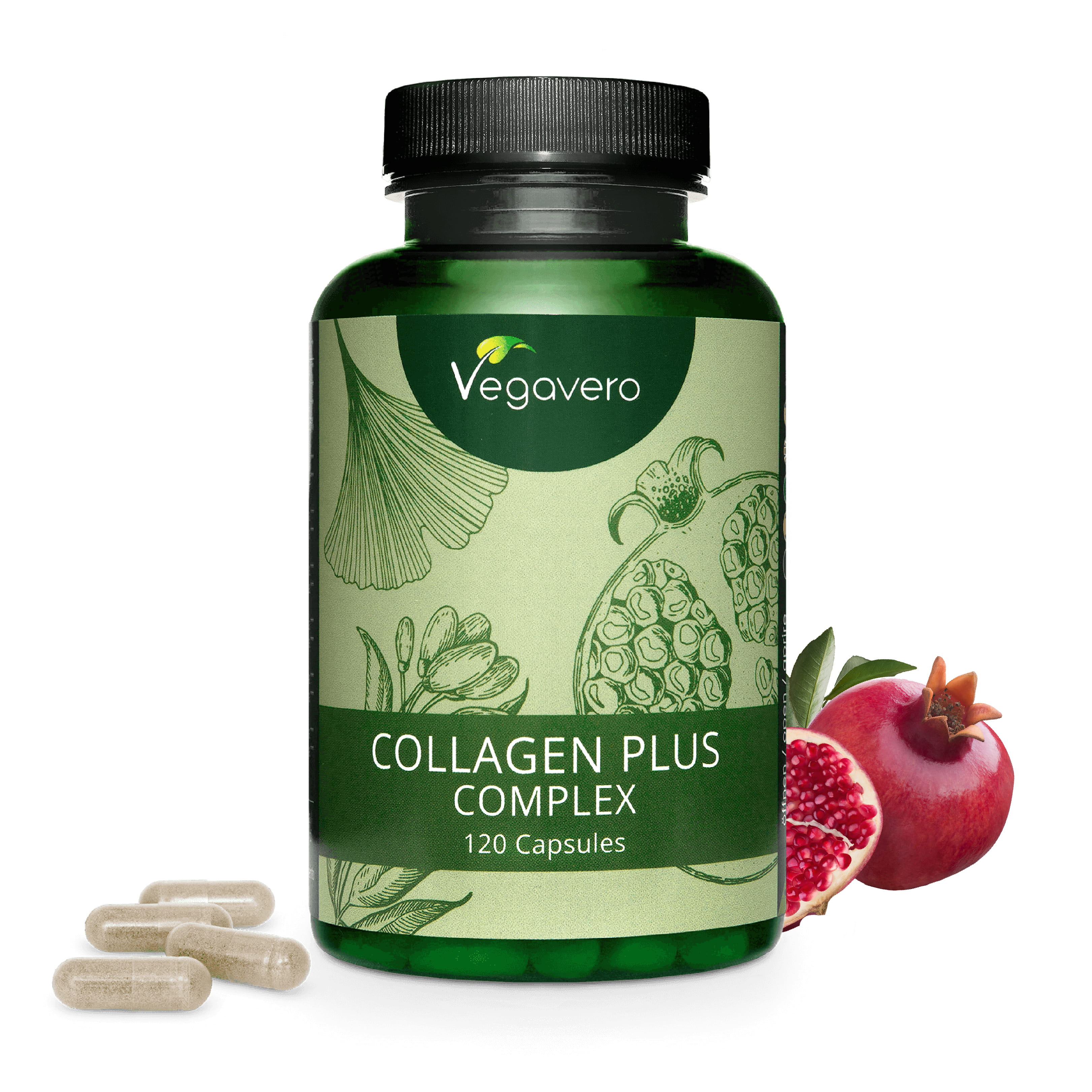
Collagen is a protein found in our skin, hair, nails, and connective tissues. It is responsible for maintaining the elasticity and strength of these body parts. However, as we age, collagen production decreases leading to wrinkles and sagging skin. Traditionally, animal-derived collagen has been used to supplement this loss but with increasing awareness about the benefits of veganism and environmental concerns related to animal agriculture, people are looking for alternative sources of collagen.
Here are some vegan alternatives that can help boost your body’s natural collagen production:
1. Vitamin C: This vitamin helps in the formation of new collagen by stimulating fibroblast cells present in our skin. Citrus fruits like oranges and lemons are rich sources of Vitamin C that you can include in your daily diet.
2. Soy products: Soy-based foods contain genistein which promotes the production of hyaluronic acid which is essential for maintaining moisture levels in our skin.
3. Zinc: Zinc is an important mineral that plays a crucial role in the synthesis of collagen fibers in our body. Nuts like cashews, almonds, peanuts are good sources of zinc.
4. Silica-rich plant-based foods: Silica contributes to healthy connective tissue development including collagen production making it essential for healthy hair and nails too! Foods such as oats, rice bran & husk or vegetables like cucumber can be included into one’s diet.
5. Edible seaweed: Seaweeds such as nori or wakame contain high amounts of iodine which play a role in regulating thyroid hormones required for proper functioning metabolism – including preventing thinning hair!
6. Amino acids Lysine & Proline : These two amino acids play an important role when it comes to building up strong connective tissue within our bodies – consuming foods rich with these nutrients such as legumes or quinoa will keep you on track!
It’s important to note that while there are vegan alternatives to collagen, they may not be as effective in supplementing the loss of collagen from our bodies. However, incorporating these foods into your diet can help support your body’s natural production of collagen and promote overall health and wellness.

Leave a Reply