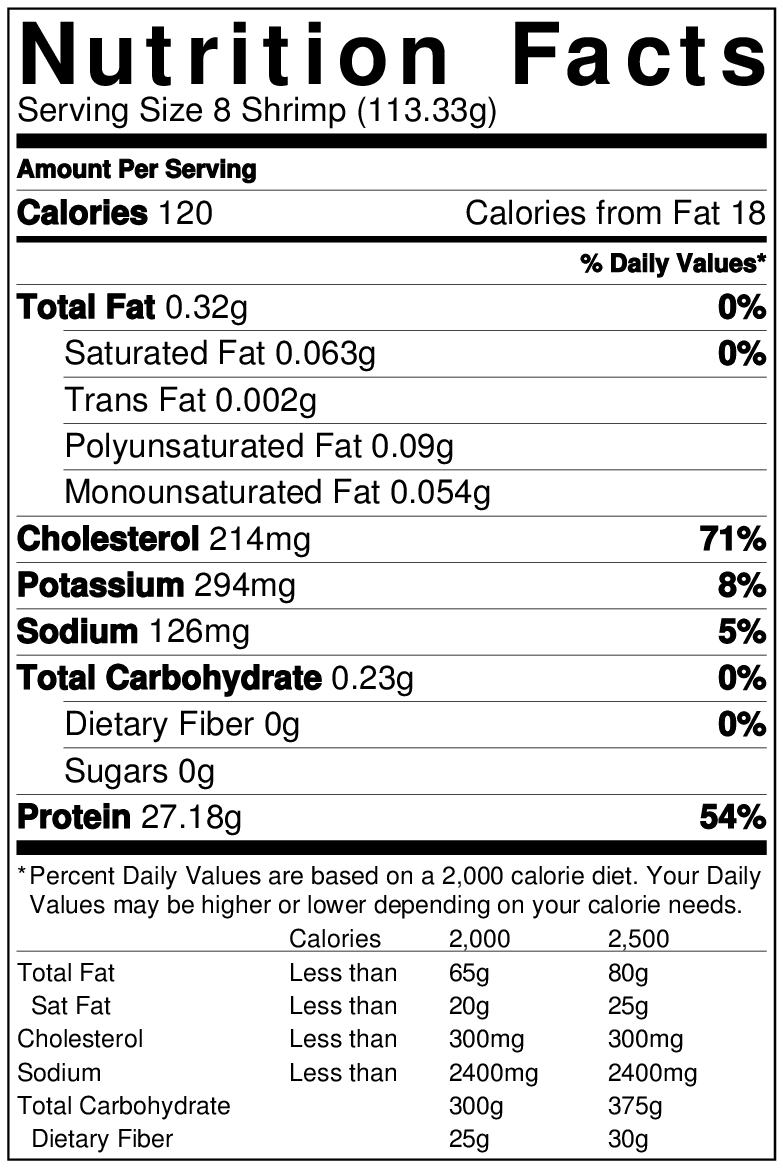
Shrimp is a popular seafood that is enjoyed by many people around the world. They are low in calories, high in protein, and packed with essential nutrients that are beneficial to our health. In this post, we will explore the nutritional benefits of shrimp and how it can be incorporated into a healthy diet.
Nutritional Benefits of Shrimp
Shrimp is an excellent source of protein, which is essential for building and repairing tissues in our body. A 3-ounce serving of cooked shrimp contains about 18 grams of protein, making it an ideal food choice for those who follow a low-carb or ketogenic diet.
In addition to being a good source of protein, shrimp also contains several vitamins and minerals that are important for maintaining good health. Here are some key nutrients found in shrimp:
1. Selenium: Shrimp is one of the best dietary sources of selenium, a mineral that has antioxidant properties and plays a vital role in immune function.
2. Vitamin B12: Shrimp contains high levels of vitamin B12, which is necessary for red blood cell production and nerve function.
3. Omega-3 Fatty Acids: Shrimp contains omega-3 fatty acids such as EPA (eicosapentaenoic acid) and DHA (docosahexaenoic acid), which have been linked to numerous health benefits such as reducing inflammation and improving heart health.
4. Zinc: Shrimp is also rich in zinc, which helps support immune system function as well as wound healing.
5. Phosphorus: This nutrient helps maintain strong bones and teeth while playing an essential role in energy metabolism.
Overall Health Benefits
Here are some additional health benefits associated with consuming shrimp:
1. May Aid Weight Loss: As mentioned earlier, shrimp contain high amounts of protein but are relatively low in calories compared to other sources like meat or poultry; thus they can help promote feelings fullness while aiding weight loss efforts.
2. Reduced Risk of Heart Disease: Studies have shown that consuming shrimp regularly can help reduce the risk of heart disease by lowering levels of triglycerides and bad cholesterol (LDL) while increasing good cholesterol levels (HDL).
3. Improved Brain Function: Omega-3 fatty acids found in shrimp can also improve brain function and cognitive health, leading to better memory, focus, and mood.
4. Boost Immune System: The combination of selenium, zinc, and vitamin B12 in shrimp helps strengthen the immune system, protecting against infections and diseases.
5. Supports Healthy Skin: Shrimp is an excellent source of astaxanthin, a powerful antioxidant that has been shown to improve skin health by reducing oxidative stress caused by UV radiation exposure.
How to Incorporate Shrimp into Your Diet
Shrimp is a versatile ingredient that can be used in many different types of dishes. Here are some ideas for incorporating it into your diet:
1. Grilled/Shrimped Kabobs: Skewer shrimp along with vegetables like peppers or zucchini for a healthy meal option perfect for summertime grilling.
2. Stir Fry Dishes: Add cooked shrimp to stir-fries with vegetables like broccoli or snow peas; this makes for a quick and easy dinner option after a long day at work.
3. Salads: Toss cooked shrimps into salads with greens like spinach or arugula topped with nuts or seeds such as sunflower seeds for added crunchiness.
4. Pasta Dishes: Mix cooked shrimps with whole-grain pasta adding olive oil-based sauces packed full herbs such as basil leaves or parsley which adds natural flavoring without any added sodium content from condiments like soy sauce etcetera making it more heart-healthy dish option
5. Soups/Stews – Add shrimp towards the end of cooking time in soups/stews; this way they won’t overcook but still provide an excellent source of protein and nutrition, perfect for cold weather.
Tips for Buying and Preparing Shrimp
When shopping for shrimp, always look for fresh or frozen varieties that have been sustainably harvested. It is also important to be mindful of the sodium content in pre-packaged shrimp products like canned or smoked versions which may contain added salt.
Before cooking shrimp, it is necessary to clean them thoroughly by removing the shells and deveining; this can be done by either cutting along the back of the shrimp with a sharp knife or using a specialized tool called a deveiner. This step ensures that any bacteria or dirt are removed from the shellfish.
Once cleaned, it’s time to cook! Shrimp cooks quickly and should only take 2-3 minutes per side when sautéed over medium-high heat; alternatively they can be boiled then seasoned with herbs such as lemon juice and garlic powder making them more flavorful without adding calories from fats like butter etcetera.
Conclusion
Shrimp is an excellent source of protein and nutrients that offer numerous health benefits ranging from improved heart health to cognitive function. Incorporating it into your diet doesn’t require much effort since there are several ways you can prepare this delicious seafood dish. Make sure to choose high-quality sources while being mindful of preparation methods so you can enjoy all its nutritional benefits fully!

Leave a Reply