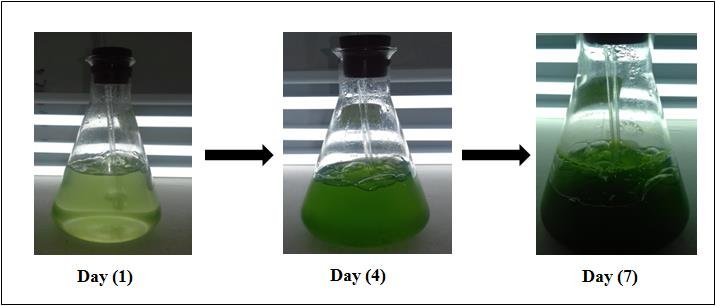
Chlorella is a type of freshwater algae that has been gaining popularity in recent years due to its numerous health benefits. It is rich in protein, fiber, vitamins, and minerals while containing very little fat. Chlorella contains chlorophyll which gives it the characteristic green color and helps with detoxification.
Commercial chlorella production involves growing the algae on a large scale for use as food supplements or as an ingredient in various products such as cosmetics. The economics of commercial chlorella production can be complex due to the cost of production equipment, labor costs, and market demand.
There are two main methods used for commercial chlorella production; open pond systems and closed photobioreactors. In open pond systems, chlorella is grown in shallow pools exposed to sunlight while being constantly stirred to prevent settling. This method is less expensive but requires more space and can be affected by environmental factors such as temperature changes and contamination.
Closed photobioreactor systems involve growing chlorella in enclosed containers under artificial light with controlled temperature and nutrients. This method produces higher yields per unit area but requires more capital investment. However, this system offers better control over growth conditions resulting in higher quality product.
The cost of producing commercial-grade chlorella varies depending on factors such as plant size, location, labor costs, energy expenses among others. According to research studies conducted by several companies involved in microalgae cultivation including Roquette France SAS and Heliae LLC USA., the estimated cost of producing 1 kg dry weight equivalent range from $20-40 using an open pond system whereas closed photobioreactor systems estimate between $60-120 per kilogram dry weight equivalent (DWE).
The primary market for commercial chlorella includes manufacturers who produce nutritional supplements such as tablets or powders made from dried algae biomass marketed towards health-conscious consumers looking for natural sources of nutrition-rich foods. Due to high nutritional value coupled with the rising demand for natural foods, chlorella has become a popular ingredient in many food products such as health bars, smoothies, and drinks.
Chlorella is also used in cosmetics industry as an ingredient in skincare product formulations due to its antioxidant and anti-inflammatory properties. It has been shown to improve skin texture while reducing inflammation caused by oxidative stress.
Overall, the economics of commercial chlorella production continue to evolve with new technologies being introduced that offer greater efficiency at lower costs. There are various challenges involved including competition from other sources of protein supplements such as soy or whey proteins. However, the growing trend towards plant-based diets and natural products provides a strong market for chlorella producers.
In conclusion, commercial chlorella production requires significant capital investment but offers promising potential returns due to increasing demand for healthy food supplements and natural ingredients in cosmetics formulation. While there are challenges facing this industry including competition from other plant-based protein sources, research continues on enhancing growth efficiency through innovative cultivation practices using both open pond systems and closed photobioreactors. With these advancements, the future looks bright for commercial-scale Chlorella cultivators seeking sustainable ways of producing high-quality algae biomass at reasonable prices.

Leave a Reply