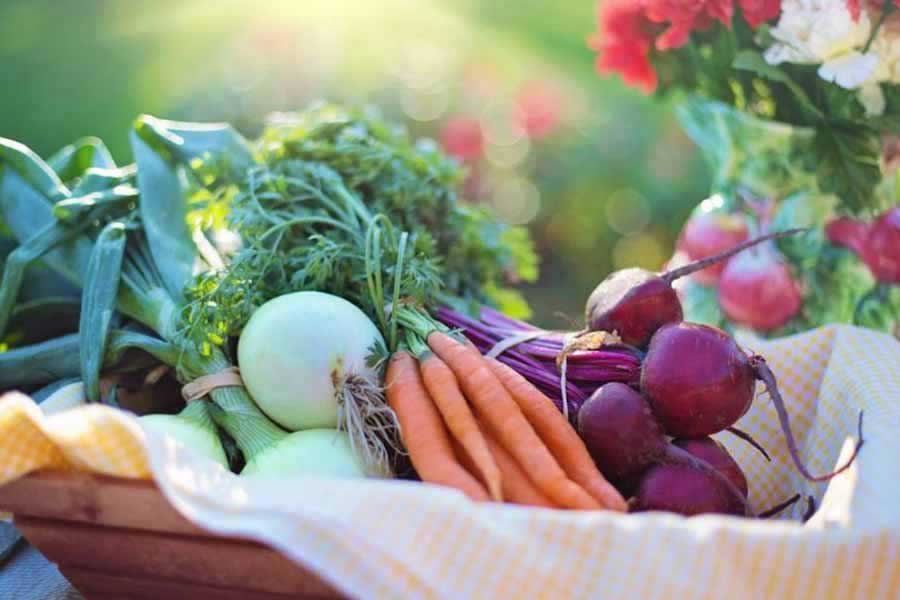
Seasonal eating has been a part of human life for centuries. Our ancestors learned to eat what was available in each season, and this practice continues today. Eating seasonally means consuming foods that are grown during their natural growing season. It is an excellent way to connect with nature and support local farmers.
One of the benefits of seasonal eating is that it helps us maintain a balanced diet. During each season, different fruits and vegetables are available, which means we get a variety of nutrients throughout the year. For example, in the summer months, watermelon, berries, and tomatoes are abundant. These fruits contain high levels of vitamin C and antioxidants that boost our immune system.
In contrast, during winter months when fresh produce may be scarce or limited regionally due to weather conditions or other factors; we can still enjoy hearty root vegetables such as sweet potatoes, carrots & parsnips which provide much-needed vitamins A & K along with fiber to help keep us feeling full longer while supporting healthy digestion.
Another benefit of seasonal eating is that it supports sustainable living practices by reducing food waste and carbon emissions associated with long-distance transportation from around the world. By choosing locally sourced seasonal foods you can help reduce your carbon footprint while supporting local farmers who use sustainable farming practices like crop rotation or using natural fertilizers instead of synthetic ones.
Eating seasonally also allows us to reconnect with our cultural heritage through traditional recipes passed down within families from one generation to another for thousands of years in many regions worldwide; these dishes reflect not only regional flavors but also history & culture.
Here are some examples:
– In India: Mangoes are celebrated in the summer months when they’re at their peak ripeness known as ‘Mango Season.’ This fruit is used extensively in Indian cuisine across several states for both sweet desserts like mango lassi (yogurt-based drink) or savory dishes.
– In Italy: Figs ripen during late summer/early autumn and are used to make sweet cakes, jams, or paired with cheese as an appetizer.
– In Japan: Persimmons are a winter fruit that is used in both sweet & savory dishes like persimmon salad or pudding.
Seasonal eating can also be beneficial for mental health. Eating fresh fruits and vegetables that are in season not only provides us with essential nutrients but also helps improve our mood. When we eat foods that are naturally available during each season, we feel more connected to the earth’s natural cycles and rhythms.
Incorporating seasonal herbs and spices into our cooking is another great way to add flavor while boosting our immune system. For example, turmeric contains curcumin which has anti-inflammatory properties making it a great addition to soups or stews during the cold winter months when flu season hits hard.
When dining out or traveling, it may be challenging to find locally sourced seasonal foods; however, there are some tips you can use when ordering food at restaurants. Look for menu items featuring ingredients grown regionally or ask your server about specials made using local ingredients. Also consider visiting local farmer’s markets where you can purchase fresh produce directly from farmers by location/region so you’ll always know what’s in-season nearby!
For those who enjoy baking, seasonal fruits such as apples & pears make for delicious pies & tarts during the fall months while cherries peak in summer – all of which help support healthy digestion thanks to their high fiber content.
Finally, growing your own garden is a great way to embrace seasonal eating regardless of the size of your space! Even if all you have is a small balcony or windowsill; herbs like basil rosemary mint cilantro chives parsley thyme grow easily indoors with little maintenance needed along with micro-greens such as arugula kale spinach lettuce which can be harvested within weeks after planting providing nutrient-dense salad greens year-round!
In conclusion, seasonal eating is an excellent way to support our health and the environment while enjoying delicious foods that reflect our cultural heritage. Whether you’re cooking at home or dining out; there are many ways to incorporate seasonal ingredients into your meals. By doing so, you’ll not only get a variety of nutrients but also help reduce food waste and carbon emissions associated with long-distance transportation from around the world – all while supporting local farmers!

Leave a Reply