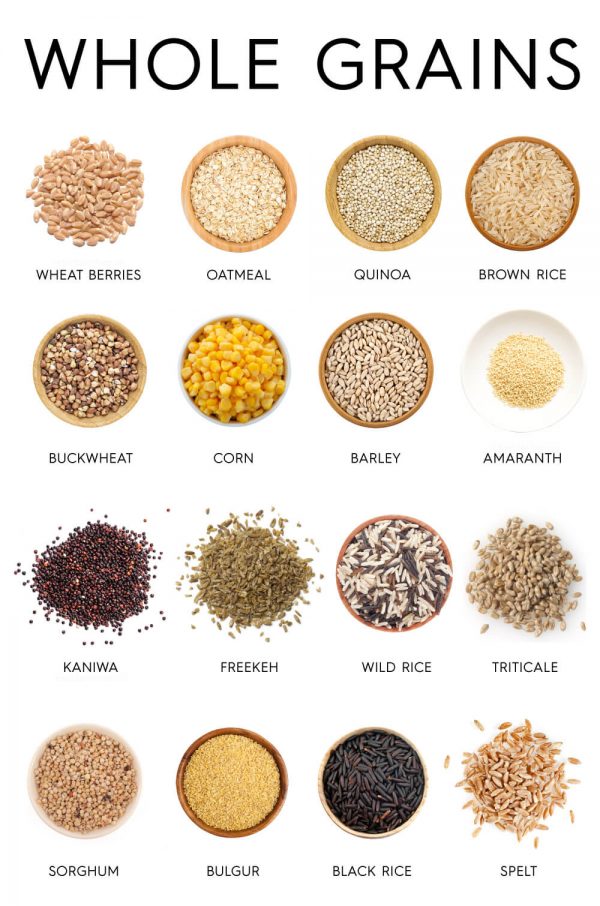
Whole Grain Options: What You Need to Know
Whole grains are an essential part of a healthy diet. They provide a wealth of nutrients, including fiber, protein, and vitamins, that can help keep you feeling full and satisfied while also supporting your overall health. However, with so many different types of whole grain options available on the market today, it can be hard to know which ones are best for you.
In this post, we’ll take a closer look at some popular whole grain options and discuss their nutritional benefits and how they can fit into your diet.
1. Brown Rice
Brown rice is an unrefined whole grain option that’s packed with fiber and antioxidants. It’s also low in calories and fat but high in complex carbohydrates that provide energy throughout the day. Brown rice has been shown to improve blood sugar control and reduce the risk of heart disease.
When cooking brown rice, it’s important to wash it thoroughly before boiling it in water or broth until tender. Use brown rice as a base for stir-fries or salads or use it as a filling in stuffed peppers or burritos.
2. Quinoa
Quinoa is another popular whole grain option that’s gluten-free and loaded with protein (8 grams per cup). It contains all nine essential amino acids making it an excellent source of plant-based protein. Quinoa is also rich in magnesium which helps regulate blood pressure levels.
To cook quinoa simply rinse off any dirt then soak for 5 minutes before boiling in water or broth until tender (15 minutes). Add cooked quinoa to soups or salads or use it as a substitute for traditional grains like rice.
3. Oats
Oats are one of the most common breakfast foods around thanks to their versatility and nutritional value – they’re loaded with soluble fiber which helps lower bad cholesterol levels! They’re also low glycemic index food meaning they won’t cause sharp spikes in blood sugar levels after consumption.
To prepare oats, add them to boiling water or milk and cook until they’re soft. Add honey, fruit or nuts for a tasty breakfast that’ll keep you full all morning long!
4. Barley
Barley is another whole grain option that’s high in fiber (6 grams per cup). It’s also rich in vitamin B-complex vitamins like thiamin, niacin, and riboflavin as well as minerals like iron and magnesium which are essential for healthy blood cells.
To cook barley simply rinse it off then boil in water until tender (30-45 minutes). Add cooked barley to soups or stews or use it as a substitute for rice or pasta.
5. Buckwheat
Buckwheat is often mistaken for a cereal grain but it’s actually a type of seed! Regardless of its classification, buckwheat provides an impressive nutritional profile including protein (6 grams per cup), magnesium and phosphorous. It’s also gluten-free making it an ideal option for those with celiac disease.
When cooking buckwheat groats rinse them before boiling the seeds in water or broth until tender. Use cooked buckwheat as a side dish alongside roasted vegetables, eat it alone mixed with raisins and cinnamon after dinner!
6. Whole Wheat
Whole wheat bread is probably one of the easiest ways to incorporate whole grains into your diet on daily basis! Unlike white bread made from refined flour that lacks fiber and nutrients whole wheat bread contains fiber plus important nutrients like zinc, potassium and folate necessary to support overall health.
7. Millet
Millet is an ancient grain cultivated over thousands of years ago – today there are many different varieties available on the market such as pearl millet finger millet etc.! Its low glycemic index makes millet suitable for diabetic patients while its protein content helps build muscle mass which supports metabolic processes within our bodies.
Millet can be boiled just like other grains, add it to soups or curries, or use it as a base for grain bowls.
In conclusion, whole grain options are an important part of any healthy diet. Incorporating them into your meals can provide a wealth of nutritional benefits that support overall health and wellbeing. Try incorporating some of these options into your meal planning and enjoy the delicious taste and texture they offer!

Leave a Reply