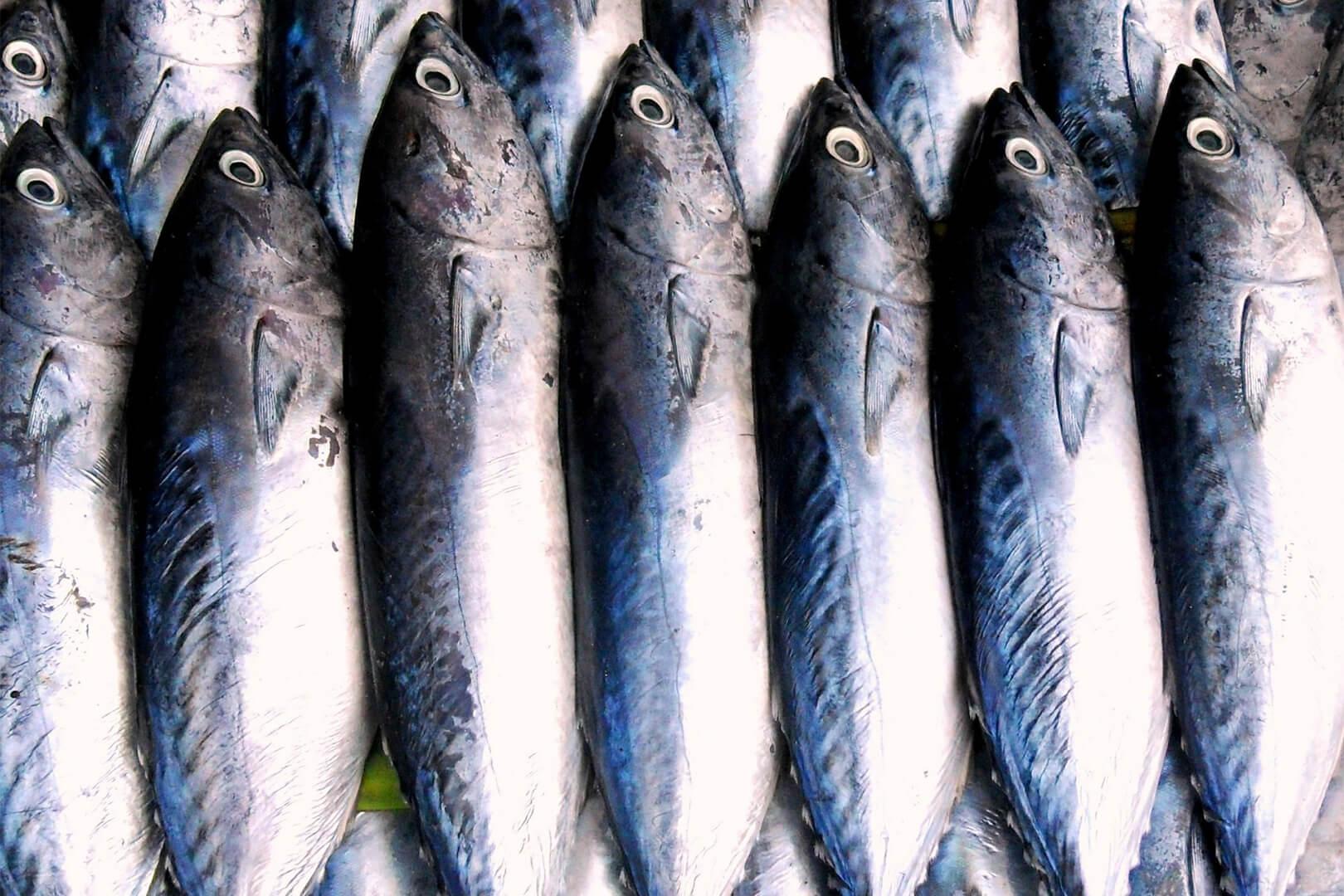
Wild-caught Fish: A Healthy and Sustainable Food Choice
Fish is an excellent source of lean protein, omega-3 fatty acids, and essential vitamins and minerals. However, not all fish are created equal when it comes to their nutritional value or sustainability. Wild-caught fish are considered one of the healthiest and most sustainable options available in the market today.
What Does Wild-Caught Mean?
Wild-caught means that the fish was caught in its natural habitat like oceans, lakes, or rivers. It is opposed to farmed fish which are raised in controlled environments like tanks or ponds. Wild-caught fish come from a variety of sources including commercial fishing boats, individual fishermen, subsistence fishing communities, and Indigenous people.
Health Benefits of Wild-Caught Fish
Wild-caught fish have several health benefits over their farmed counterparts. Firstly, they tend to be lower in fat content because they live active lives swimming through open waterways. This makes them a good source of lean protein for individuals who want to maintain or lose weight.
Secondly, wild-caught fish has higher levels of omega-3 fatty acids than farmed ones. Omega-3s are essential fatty acids that our bodies cannot produce on their own; therefore we must obtain them from our diet. These fats help reduce inflammation throughout the body leading to improved heart health by lowering blood pressure levels and reducing triglycerides (blood fats). Additionally, omega-3s can enhance cognitive function promoting healthy brain development in children.
Lastly but equally important is that wild-caught fish don’t contain antibiotics or other chemicals used in farming practices such as pesticides or growth hormones which can be harmful if consumed regularly over time.
Types of Wild-Caught Fish
There’s an abundance of different species available when it comes to wild-caught seafood; however some types may be more sustainable than others depending on how they’re harvested and where they’re sourced from:
1. Wild salmon: Salmon is a popular and widely available type of wild-caught fish that’s high in protein, omega-3 fatty acids, vitamin D, and other essential nutrients. It’s important to note that not all types of salmon are the same; some species like Coho or Sockeye are considered more sustainable than others.
2. Cod: Cod is another popular type of white fish that can be found fresh or frozen at most grocery stores. It’s low in fat but rich in protein making it an excellent choice for people who want to maintain lean muscle mass.
3. Tuna: Tuna is a versatile fish that can be used in many different dishes such as salads, sandwiches and sushi rolls. However, it’s important to choose tuna varieties such as Albacore or Skipjack which are caught using pole-and-line methods rather than longline fishing practices which contribute to overfishing.
4. Sardines: Sardines may be small but they pack a powerful nutritional punch! They’re rich in Omega-3s, Vitamin B12, Selenium and Calcium making them one of the healthiest types of seafood you can eat.
Sustainability
Sustainability refers to how well we manage our natural resources today so future generations have adequate resources for their own needs without compromising on quality or quantity. Wild-caught seafood has been an integral part of human diets for thousands of years; however with increasing demand there has been a corresponding rise in unsustainable fishing practices leading to overfishing and habitat destruction.
To ensure the sustainability of wild-caught fisheries it’s crucial we adopt responsible fishing techniques such as:
1) Fishing quotas – Limiting the number of fish caught each year based on scientific assessments on population size ensuring stocks aren’t depleted beyond recovery;
2) Habitat protection – Protecting critical marine environments including coral reefs and kelp forests from damage caused by fishing gear;
3) Traceability systems – Implementing traceability systems to ensure the fish we consume are legally and sustainably caught.
Conclusion
Wild-caught seafood is an excellent choice for anyone looking to eat a healthy, sustainable diet. It’s important to choose species that are harvested using responsible fishing practices and from sources that can be traced back to their origin. By making informed decisions about our food choices, we can help protect our ocean ecosystems while nourishing our bodies with delicious and nutritious seafood.

Leave a Reply