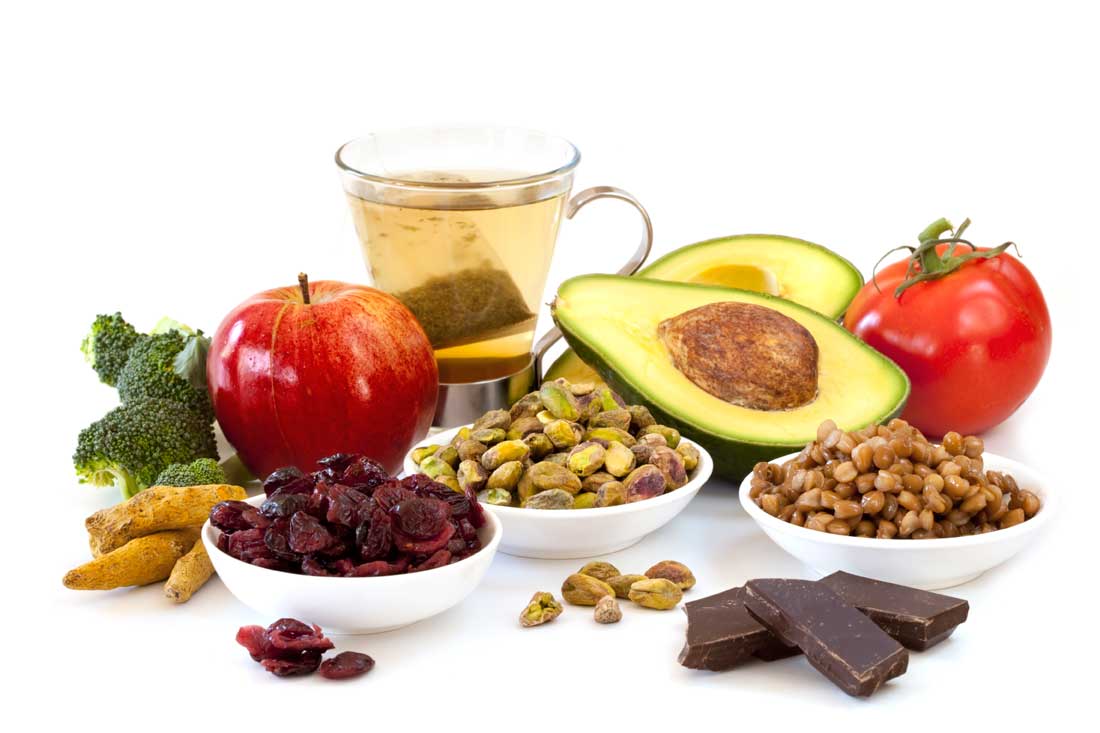
Antioxidants: A Comprehensive Guide
Antioxidants are compounds that protect cells from damage caused by harmful molecules called free radicals. Free radicals can cause oxidative stress, which has been linked to a variety of health problems including cancer, heart disease, and Alzheimer’s disease. Antioxidants neutralize free radicals by donating an electron to them without becoming unstable themselves.
There are several different types of antioxidants, each with its own unique properties and benefits. Some common examples include vitamins C and E, beta-carotene, selenium, lycopene, and flavonoids.
Vitamin C is a water-soluble antioxidant found in many fruits and vegetables. It helps to regenerate other antioxidants like vitamin E and is also important for collagen production.
Vitamin E is a fat-soluble antioxidant found in nuts, seeds, and vegetable oils. It protects cell membranes from damage caused by free radicals.
Beta-carotene is a type of carotenoid that gives fruits and vegetables their bright orange or yellow color. It is converted into vitamin A in the body and helps to maintain healthy skin and eyesight.
Selenium is a mineral that acts as an antioxidant when combined with proteins in the body. It plays an important role in thyroid function and helps to prevent cellular damage.
Lycopene is another carotenoid that gives tomatoes their red color. Studies have shown it may help reduce the risk of prostate cancer.
Flavonoids are plant-based compounds found in fruits, vegetables, tea, cocoa beans, wine grapes and other foods rich in polyphenols . They exhibit strong antioxidative activity due to their ability to scavenge reactive oxygen species (ROS) , chelate metal ions involved on ROS generation or interfere with signaling pathways related to inflammation
Incorporating more antioxidants into your diet can be as simple as eating more fruits and vegetables. Dark leafy greens like spinach or kale contain high amounts of antioxidants like vitamin C and beta-carotene. Berries are also a great source of antioxidants, especially blueberries, which contain high levels of anthocyanins.
It’s important to note that while antioxidants have many health benefits, they should not be relied upon as the sole means of preventing disease. A balanced diet that includes a variety of fruits, vegetables, whole grains, lean proteins and healthy fats is still the best way to maintain overall health.
In conclusion, antioxidants play an important role in protecting our cells from damage caused by free radicals. Incorporating more antioxidant-rich foods into your diet can help promote better health and reduce the risk of chronic diseases. Remember to eat a balanced diet with plenty of fruits and vegetables for optimal health.

Leave a Reply