Flexitarian Cooking: Techniques and Tips for a Healthy and Sustainable Diet
In recent years, the rise of flexitarianism has gained popularity as more people are looking to adopt a healthier and more sustainable diet. Flexitarians primarily follow a plant-based eating style but occasionally include small amounts of animal products in their meals. This flexible approach allows individuals to reap the benefits of a vegetarian or vegan lifestyle while still enjoying some flexibility in their food choices. If you’re interested in exploring this balanced way of eating, here are some techniques and tips to incorporate into your flexitarian cooking.
1. Embrace Plant-Based Proteins:
One of the key aspects of flexitarian cooking is incorporating plant-based proteins into your meals. Legumes such as lentils, chickpeas, and black beans are excellent sources of protein that can be used as substitutes for meat in various recipes. Experiment with tofu, tempeh, seitan, or even edamame to add variety to your protein sources. These ingredients not only provide essential nutrients but also bring unique flavors and textures to your dishes.
2. Make Vegetables the Star:
Another important aspect of flexitarian cooking is putting vegetables at the center stage of your meal planning. Focus on using seasonal and locally sourced produce whenever possible to maximize flavor and nutritional value. Roasting or grilling vegetables brings out their natural sweetness while adding depth to their taste profiles. Try experimenting with different spices, herbs, and marinades to enhance their flavors further.
3. Get Creative with Whole Grains:
Whole grains play an essential role in providing fiber, vitamins, minerals, and sustained energy levels in a flexitarian diet. Incorporate whole grains like quinoa, brown rice, barley, farro or bulgur wheat into your meals instead of refined grains like white rice or pasta made from refined flour. These nutrient-dense alternatives offer a range of textures that can elevate any dish.
4. Opt for Healthy Fats:
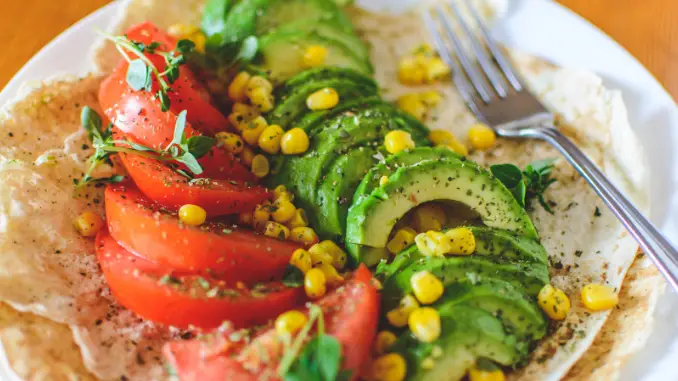
While a flexitarian diet focuses on plant-based foods, it is essential to include healthy fats to provide satiety and support nutrient absorption. Avocado, nuts, seeds, and olive oil are excellent sources of monounsaturated fats and can be used in dressings, dips, or as toppings for your meals. These healthy fats not only add flavor but also promote heart health.
5. Plan Your Meals Ahead:
To successfully transition to a flexitarian lifestyle, planning your meals ahead can be incredibly helpful. Take some time each week to plan out your meals and create a grocery list based on the recipes you choose. This approach will help you stay organized, save time, reduce food waste, and ensure that you have all the necessary ingredients readily available.
In conclusion, adopting a flexitarian cooking style offers numerous health benefits while promoting sustainability in our food choices. By incorporating plant-based proteins into our meals, making vegetables the star of our dishes, experimenting with whole grains and healthy fats while planning our meals ahead of time – we can create delicious and nutritious meals that align with our dietary preferences. So why not give this flexible approach a try? Start exploring new recipes today and embark on an exciting journey towards better health and sustainable living!

Leave a Reply