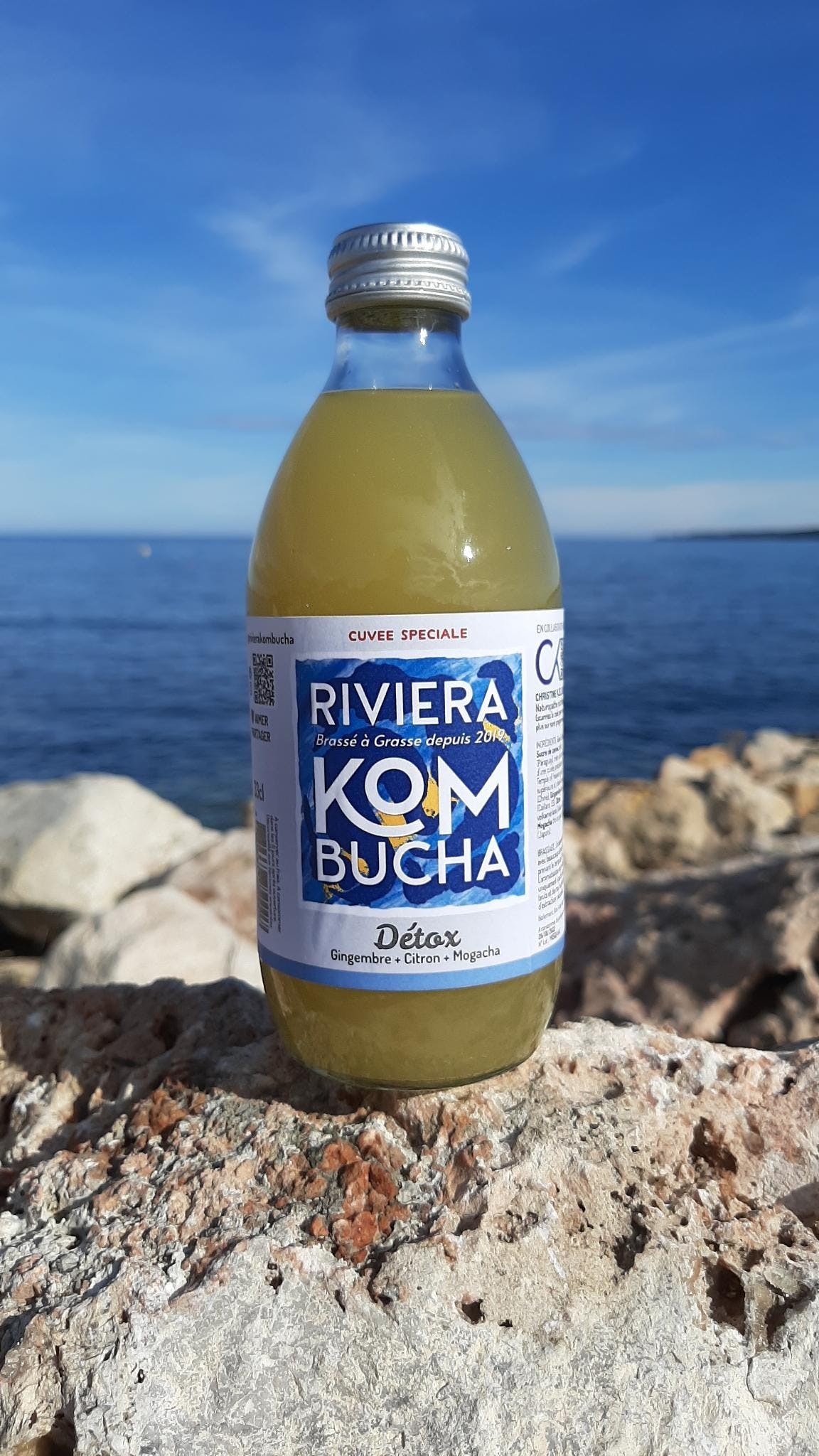
Kombucha and Detoxification: Separating Fact from Fiction
In recent years, the popularity of kombucha has skyrocketed as health enthusiasts and wellness gurus tout its numerous benefits, one of which is detoxification. But what exactly is kombucha, and does it really have the power to cleanse our bodies from within? Let’s delve into the world of this fermented tea beverage and explore its potential detoxifying properties.
Firstly, what is kombucha? Kombucha is a traditional beverage made by fermenting sweetened tea with a symbiotic culture of bacteria and yeast (SCOBY). During fermentation, the SCOBY consumes the sugar in the tea and produces various compounds like organic acids, vitamins, enzymes, and probiotics. These components are believed to be responsible for many health benefits associated with drinking kombucha.
Detoxification refers to the process of eliminating toxins or harmful substances from our body. Supporters claim that kombucha aids in this process by supporting liver function and improving digestion. However, it’s important to note that while some studies suggest certain compounds found in kombucha may offer detoxifying effects on a cellular level, there is limited scientific evidence specifically linking kombucha consumption to overall detoxification.
One aspect often highlighted when discussing kombucha’s potential detoxifying properties is its high antioxidant content. Antioxidants help neutralize free radicals in our bodies – unstable molecules that can cause oxidative stress leading to cell damage. Some research suggests that antioxidants found in teas used for making kombucha may help combat oxidative stress-related issues such as inflammation or chronic diseases over time.
Another element contributing to claims of detoxification is the presence of organic acids in kombucha. These acids include acetic acid (also found in vinegar), glucuronic acid, lactic acid, malic acid, and gluconic acid. Proponents believe these organic acids support liver function by aiding natural detox processes within our bodies.
Moreover, proponents argue that kombucha’s probiotic content enhances gut health, which indirectly contributes to detoxification. The balance of bacteria in our gut plays a crucial role in digestion and absorption of nutrients, as well as in toxin elimination. Probiotics, often referred to as “good” bacteria, can support this delicate balance and potentially improve overall digestive health.
While these claims may sound promising, it’s important to approach the topic with caution. Most studies on kombucha’s potential health benefits have been conducted on animals or in test tubes rather than humans. Thus, we need more research specifically focusing on human subjects to draw definitive conclusions about its detoxifying properties.
It is also vital to consider individual differences when discussing detoxification or any health-related topic. Our bodies are unique, and what works for one person may not work the same way for another. Additionally, factors like genetics, diet quality, lifestyle choices, and overall health status play significant roles in determining how efficiently our body eliminates toxins.
Furthermore, it’s worth noting that while kombucha itself may offer some potential benefits related to detoxification; commercial varieties available often contain added flavors or sugars which might counteract those advantages. Therefore, choosing plain or minimally processed kombucha options would be the best choice if you’re looking for potential detoxifying effects.
In conclusion, while kombucha does contain compounds that could contribute positively to the body’s natural detoxification processes – such as antioxidants and organic acids – there is currently limited scientific evidence supporting direct claims of its ability to promote overall detoxification. As always when considering dietary changes or seeking specific health benefits from any food or beverage product – it is advisable to consult with a healthcare professional who can provide personalized guidance based on your individual needs and circumstances.
Remember that maintaining a balanced and varied diet alongside healthy lifestyle choices remains crucial for optimal well-being.

Leave a Reply