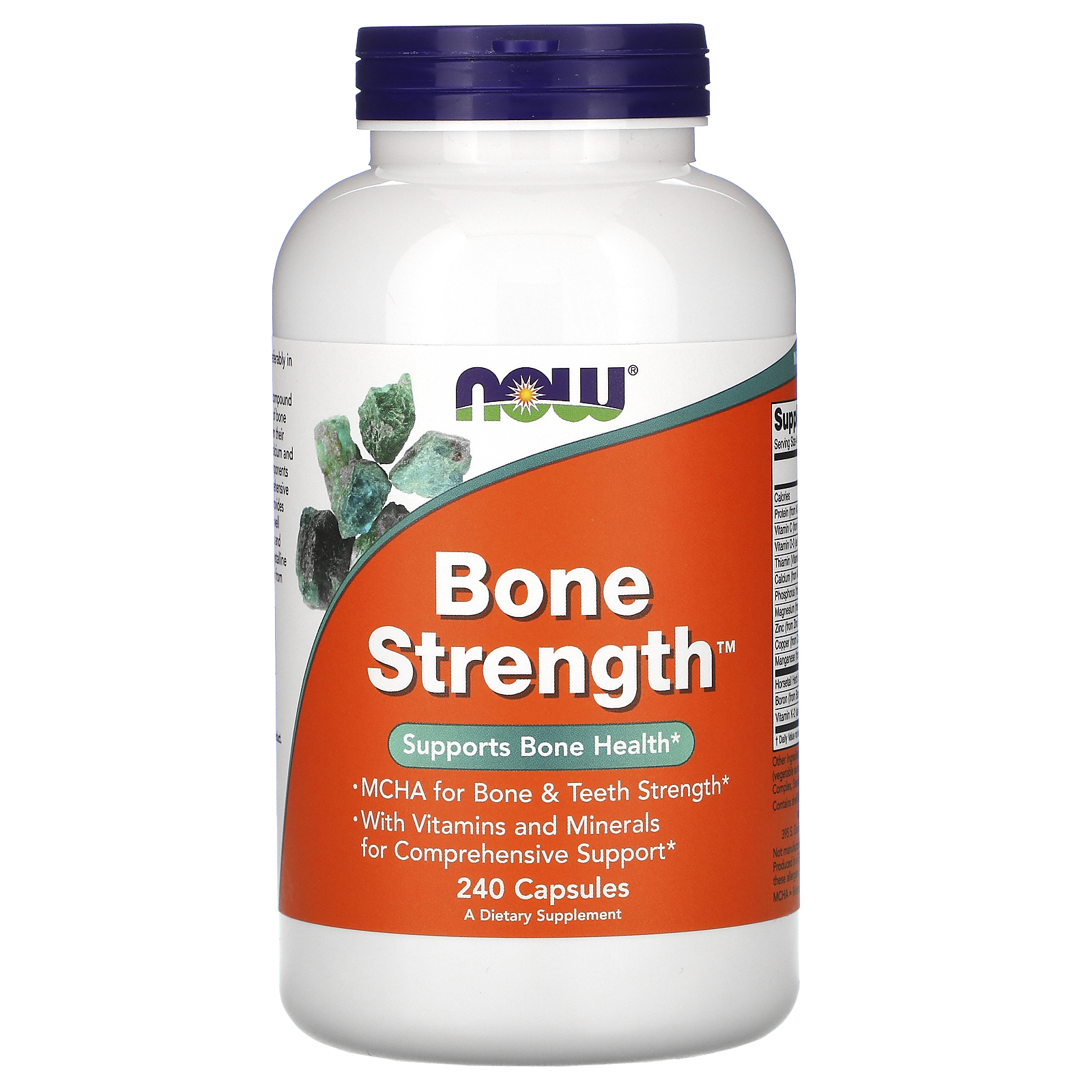
Bone Strength: A Comprehensive Guide to Building and Maintaining Healthy Bones
Introduction:
The strength and integrity of our bones play a fundamental role in maintaining overall health and well-being. From providing support for the body to protecting vital organs, bones are an essential component of our skeletal system. However, many people overlook the importance of bone health until they experience issues such as fractures or osteoporosis.
In this comprehensive guide, we will explore the factors affecting bone strength, the significance of proper nutrition, lifestyle choices that promote strong bones, exercises for building bone density, and medical interventions when necessary. By understanding how to build and maintain healthy bones throughout life, you can promote longevity and prevent debilitating conditions associated with weak bones.
Factors Affecting Bone Health:
Several factors influence bone health throughout our lives. While some aspects are beyond our control (such as genetics), others can be influenced through lifestyle choices.
1. Age:
As we age, bone mass tends to decrease due to hormonal changes and natural aging processes. This decline usually begins around 30 years old but accelerates after menopause in women due to a sharp decrease in estrogen levels.
2. Gender:
Women have a higher risk of developing osteoporosis compared to men since they generally have lower peak bone mass and undergo significant hormonal changes during menopause that accelerate bone loss.
3. Genetics:
Genetic factors significantly influence peak bone mass development and susceptibility to certain conditions like osteoporosis or fractures later in life.
4. Hormonal Factors:
Hormones such as estrogen (in women) and testosterone (in men) play crucial roles in maintaining healthy bones by regulating calcium metabolism.
5. Nutritional Status:
Adequate intake of nutrients like calcium, vitamin D, magnesium, phosphorus, potassium; vitamins K C & B12; protein; omega-3 fatty acids; zinc; copper; manganese is essential for optimal bone health throughout life.
6. Lifestyle Factors:
Smoking, excessive alcohol consumption, sedentary lifestyle, and certain medications (e.g., corticosteroids) can negatively impact bone health.
7. Chronic Conditions:
Various chronic conditions like celiac disease, inflammatory bowel disease, rheumatoid arthritis, or hormonal disorders can affect bone health by impairing nutrient absorption or altering hormonal balance.
Nutrition for Bone Health:
Proper nutrition plays a crucial role in building and maintaining healthy bones. Here are some key nutrients to focus on:
1. Calcium:
Calcium is the primary mineral that makes up our bones. Good dietary sources include milk and dairy products (low-fat options preferred), fortified plant-based milks, leafy green vegetables (kale, broccoli), almonds, tofu made with calcium sulfate, canned fish with bones (salmon or sardines), and calcium-fortified foods.
2. Vitamin D:
Vitamin D facilitates the absorption of calcium from the intestines into the bloodstream. Exposure to sunlight triggers vitamin D production in the skin while dietary sources include fatty fish (salmon, mackerel), egg yolks, fortified cereals/milk/orange juice.
3. Magnesium:
Magnesium is essential for converting vitamin D into its active form within the body and plays a vital role in bone formation and strength. Good sources of magnesium include nuts/seeds (almonds/pumpkin seeds), legumes/beans/lentils/chickpeas/tofu/edamame; whole grains; dark chocolate; leafy green vegetables.
4. Phosphorus:
Phosphorus works alongside calcium to promote strong bones and teeth. It is found abundantly in protein-rich foods such as lean meats/poultry/fish/seafood/tofu/dairy products/nuts/seeds/whole grains.
5. Vitamin K:
Vitamin K is involved in activating proteins responsible for regulating bone metabolism and improving calcium uptake into bones. Good sources include leafy green vegetables (kale, spinach), broccoli, Brussels sprouts, fermented soy products.
6. Protein:
Adequate protein intake is essential for bone health as it contributes to bone formation and remodeling processes. Great sources of protein include lean meats/poultry/fish/seafood/tofu/dairy products/legumes/nuts/seeds.
7. Other Nutrients:
Zinc, copper, manganese, omega-3 fatty acids (found in fatty fish like salmon or sardines), and vitamins C and B12 also play important roles in maintaining bone health.
Lifestyle Choices for Strong Bones:
1. Regular Exercise:
Weight-bearing exercises such as walking, jogging, dancing, weightlifting help stimulate the bones to retain calcium and build density. Aim for at least 150 minutes of moderate-intensity aerobic activity per week along with strength training exercises two days a week.
2. Quit Smoking:
Smoking has been linked to decreased bone density and increased risk of fractures. Quitting smoking not only benefits overall health but also improves bone strength.
3. Limit Alcohol Consumption:
Excessive alcohol consumption can impair the body’s ability to absorb nutrients necessary for optimal bone health while increasing the risk of falls that may result in fractures.
4. Maintain a Healthy Weight:
Both being underweight or overweight can negatively impact bone health. Strive for a balanced diet and exercise routine that supports maintaining a healthy weight for your body type.
5. Fall Prevention Strategies:
Implementing strategies to prevent falls becomes increasingly important as we age since falls are a significant cause of fractures among older adults. Ensure adequate lighting at home, remove tripping hazards, use handrails on stairs/bathrooms; consider balance exercises like tai chi or yoga.
Medical Interventions:
In some cases where lifestyle modifications are insufficient or when certain medical conditions contribute significantly to poor bone health despite best efforts through diet and exercise alone, medical interventions may be necessary. These interventions may include:
1. Medications:
Several medications are available to treat osteoporosis and help increase bone density or slow down bone loss, such as bisphosphonates, hormone-related therapies (for women post-menopause), or newer options like denosumab or teriparatide.
2. Supplements:
In certain cases where dietary sources are insufficient, supplements may be recommended under medical supervision. This is especially true for calcium and vitamin D deficiencies.
3. Medical Procedures:
For severe fractures or cases with significant structural issues, surgical interventions like joint replacements, vertebroplasty (injecting cement-like material into fractured vertebrae), kyphoplasty (balloon-assisted vertebral restoration) may be required.
Conclusion:
Building and maintaining healthy bones is a lifelong process that requires attention to several factors including nutrition, exercise, lifestyle choices, and medical interventions when necessary. By incorporating the recommendations outlined in this comprehensive guide into your daily life, you can significantly improve your bone strength and reduce the risk of developing conditions such as osteoporosis or fractures later in life. Remember that it’s never too early or too late to start prioritizing your bone health!

Leave a Reply