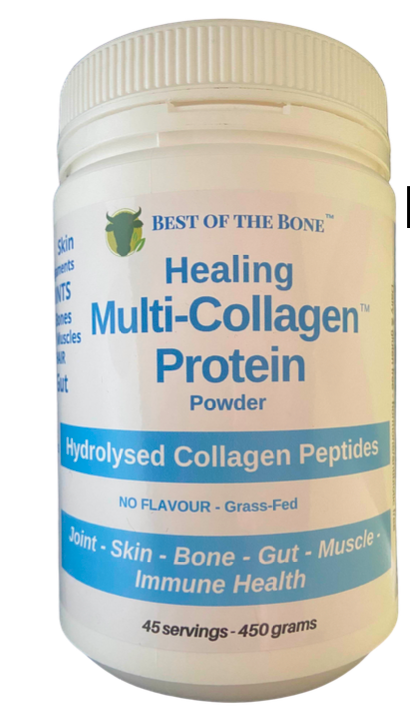
Collagen and Bone Health: Understanding the Connection
Introduction:
When it comes to maintaining healthy bones, most people think of essential nutrients such as calcium and vitamin D. However, another crucial player in bone health is collagen. Collagen is the most abundant protein in our bodies and plays a vital role in supporting the structure and strength of our bones. In this article, we will explore the relationship between collagen and bone health, understand how collagen contributes to bone formation and maintenance, discuss factors that can affect collagen production, and highlight ways to promote optimal collagen levels for better bone health.
Collagen’s Role in Bone Formation:
Bones are composed of a mineralized matrix consisting mainly of calcium phosphate crystals. Collagen serves as the organic framework upon which these minerals are deposited, providing flexibility, strength, and resistance to fractures. Type I collagen is particularly important for bone health since it constitutes about 90% of the organic content found in our skeletal system.
During early development or when healing from a fracture occurs, specialized cells called osteoblasts produce new bone tissue by secreting type I collagen fibers into the extracellular matrix. These fibers provide a scaffold for mineralization to occur effectively. Over time, osteocytes become embedded within this matrix network formed by type I collagen fibrils.
The Importance of Collagen Cross-Linking:
Collagen cross-linking refers to chemical bonds that form between adjacent collagen molecules within the extracellular matrix. This process enhances structural integrity by increasing tensile strength while maintaining flexibility within bones.
Two key enzymes involved in cross-linking are lysyl oxidase (LOX) and transglutaminase (TG2). LOX initiates cross-link formation by oxidizing specific amino acids within collagens’ triple helix structure. TG2 then catalyzes further cross-linking reactions involving other amino acids like lysine or glutamine residues.
Without adequate cross-linking processes occurring during bone formation or remodeling, bones may become brittle and prone to fractures. Age-related declines in cross-linking can contribute to the development of osteoporosis, a condition characterized by low bone mass and increased fracture risk.
Factors Affecting Collagen Production:
While collagen synthesis is primarily regulated by genetic factors, various lifestyle choices and dietary components can influence its production. Here are some key factors that affect collagen levels:
1. Nutrient deficiencies: Consuming an inadequate amount of nutrients required for collagen synthesis, such as vitamin C, zinc, copper, and manganese, can impair its production.
2. Aging: As we age, our body’s ability to produce collagen naturally decreases. This decline starts around the age of 25 and accelerates after menopause in women.
3. Hormonal changes: In addition to menopause affecting collagen levels in women, hormonal imbalances associated with conditions like hypothyroidism or Cushing’s syndrome can also impact collagen production negatively.
4. Chronic inflammation: Conditions characterized by chronic inflammation like rheumatoid arthritis or inflammatory bowel disease have been linked with reduced collagen synthesis due to increased turnover rates.
Promoting Optimal Collagen Levels for Bone Health:
While it may not be possible to entirely halt the natural decline in collagen production associated with aging, certain strategies can help optimize collagen levels for better bone health:
1. Balanced diet: Consuming a well-rounded diet rich in nutrients necessary for collagen synthesis is essential. Include foods high in vitamin C (citrus fruits, strawberries), zinc (oysters, pumpkin seeds), copper (shellfish), and manganese (nuts).
2. Protein intake: Including adequate protein sources like lean meats, poultry or fish provides amino acids necessary for new collagen formation.
3. Vitamin D supplementation: Since vitamin D plays a crucial role in calcium absorption and bone health overall, ensuring sufficient intake through sunlight exposure or supplementation is important.
4. Regular exercise: Engaging in weight-bearing exercises like walking, jogging, or weightlifting helps stimulate collagen synthesis and promotes bone density.
5. Avoiding tobacco and excessive alcohol consumption: Both smoking and heavy alcohol intake have been linked to decreased collagen production. Quitting smoking and moderating alcohol consumption can support optimal collagen levels.
Conclusion:
Collagen is a vital protein for maintaining healthy bones by providing the structural framework necessary for mineralization. Collagen cross-linking further enhances bone strength and flexibility. While aging inevitably leads to a decline in collagen production, adopting a balanced diet rich in essential nutrients, regular exercise, avoiding harmful habits, and considering vitamin D supplementation can help optimize collagen levels for better bone health. By understanding the role of collagen in bone formation and taking proactive steps to support its synthesis within our bodies, we can lay the foundation for stronger bones throughout our lives.

Leave a Reply