Collagen and Muscle Recovery: The Ancient Powerhouse for Healing
In the world of fitness and athletics, muscle recovery is as crucial as the workout itself. Over the years, various methods have been adopted to speed up this recovery process, including ice baths, compression garments, and foam rolling. However, there is one powerful natural substance that has stood the test of time when it comes to rejuvenating tired muscles: collagen.
Collagen is a protein that serves as a primary building block in our bodies. It makes up connective tissues such as tendons, ligaments, cartilage, and skin. Historically speaking, collagen has been used for centuries to promote healing in ancient cultures across the globe.
One way collagen aids in muscle recovery is by providing essential amino acids that are necessary for repairing damaged muscle tissue. When we engage in physical activity or intense workouts, our muscles experience microscopic tears which need to be repaired for growth and strength-building. Collagen contains high levels of glycine and proline – two amino acids responsible for supporting healthy connective tissues – which assist in rebuilding these damaged muscle fibers.
Furthermore, collagen promotes inflammation reduction within the body. While inflammation helps initiate the healing process after an injury or exercise-induced stress on muscles occurs, chronic inflammation can hinder proper recovery by impeding blood flow and oxygen delivery to affected areas. Collagen contains specific peptides that help regulate inflammatory responses in our bodies while promoting a faster healing process.
Another benefit of incorporating collagen into your post-workout routine is its ability to support joint health. As we age or subject our bodies to repetitive movements during exercise or sports activities, joints can become worn down over time. Collagen acts as a lubricant for joints by maintaining their structural integrity through its gel-like consistency.
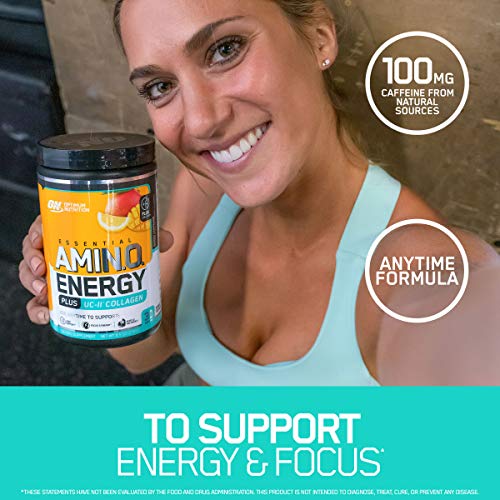
To reap the benefits of collagen for muscle recovery naturally from food sources alone can be challenging since it primarily resides in animal-based products like bone broth or fish skin. Thus many individuals opt for collagen supplements, which are available in various forms such as powders, capsules, or liquid.
When choosing a collagen supplement, it is essential to prioritize quality. Look for products that are sourced from grass-fed and pasture-raised animals without added hormones or antibiotics. Additionally, consider supplements that contain other beneficial ingredients like vitamin C and hyaluronic acid, which enhance collagen absorption and further support healthy connective tissues.
In conclusion, collagen has proven itself throughout history as a powerful aid in muscle recovery. By providing vital amino acids for tissue repair and reducing inflammation while supporting joint health, incorporating collagen into your post-workout routine can significantly enhance the recovery process. Whether through natural food sources or high-quality supplements, harnessing the ancient power of collagen will undoubtedly give your muscles the TLC they deserve after intense physical activity.

Leave a Reply