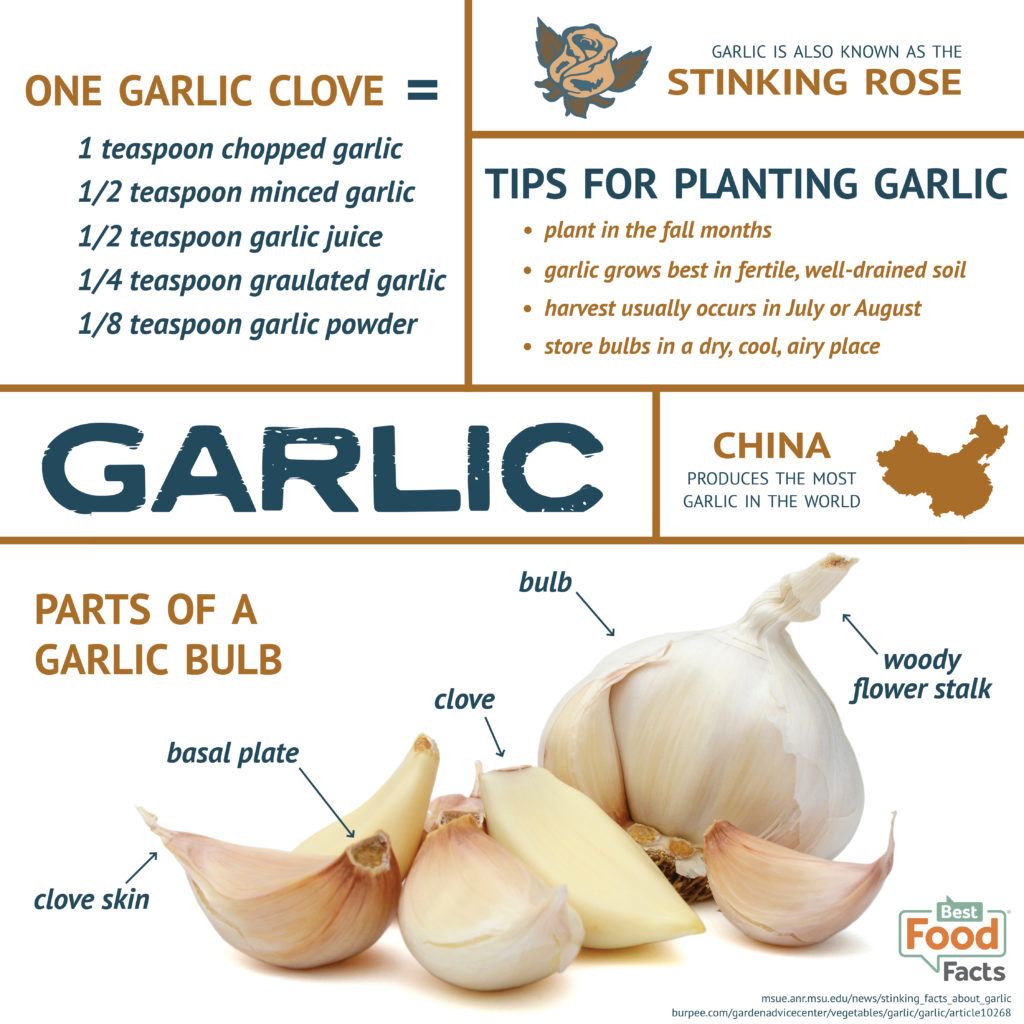
Garlic is a versatile ingredient that has been used for centuries in cooking and traditional medicine. Not only does it add flavor to dishes, but it also offers numerous health benefits. Packed with essential nutrients and powerful compounds, garlic is considered a superfood that can boost your overall well-being. In this article, we will explore the nutritional value of garlic and why you should consider incorporating it into your diet.
1. Nutrient Profile:
Garlic is low in calories but rich in vitamins and minerals. A 3-ounce (85 grams) serving of raw garlic contains approximately:
• Calories: 109
• Carbohydrates: 23 grams
• Fiber: 2 grams
• Protein: 6 grams
• Fat: Less than 1 gram
In addition to these macronutrients, garlic also provides essential micronutrients such as manganese, vitamin B6, vitamin C, selenium, and calcium.
2. Antioxidant Powerhouse:
One of the key reasons why garlic is highly regarded for its health benefits is its potent antioxidant properties. It contains various sulfur compounds like allicin, which give garlic its distinct odor and taste while acting as powerful antioxidants.
Antioxidants help protect our cells from damage caused by harmful free radicals that contribute to aging and chronic diseases like heart disease and cancer.
3. Heart Health:
Studies have shown that regularly consuming garlic may reduce the risk of heart disease by lowering blood pressure levels and improving cholesterol profiles.
Allicin found in fresh raw garlic helps relax blood vessels, promoting better circulation while reducing hypertension. Additionally, it inhibits platelet aggregation which reduces the formation of blood clots.
4. Immune System Support:
Garlic has long been recognized for its ability to enhance immune function due to its antimicrobial properties against bacteria, viruses, fungi, and parasites.
The compound allicin acts as an immune booster by stimulating white blood cell activity responsible for fighting off infections. Including garlic in your diet may help reduce the frequency and duration of common illnesses like colds and flu.
5. Cancer Prevention:
Several studies have suggested that garlic consumption is associated with a reduced risk of certain cancers, particularly those affecting the digestive system.
The sulfur compounds found in garlic have been shown to inhibit cancer cell growth and induce apoptosis (programmed cell death) in cancer cells. However, more research is needed to determine the exact mechanisms behind these protective effects.
6. Anti-Inflammatory Effects:
Chronic inflammation is linked to various health problems such as arthritis, cardiovascular disease, and diabetes. Garlic contains compounds that possess anti-inflammatory properties which may help reduce inflammation markers in the body.
7. Detoxification Support:
Garlic contains sulfur-containing compounds that support detoxification processes in the liver by activating enzymes responsible for removing toxins from the body.
Regular consumption of garlic may aid in protecting against toxic substances while promoting overall liver health.
8. Improved Digestion:
Garlic stimulates digestion by stimulating appetite, promoting bile production, and enhancing nutrient absorption. It also possesses antimicrobial properties that can help combat gut infections caused by harmful bacteria or parasites.
9. Bone Health:
Garlic provides essential nutrients like calcium and manganese that are vital for maintaining strong bones and preventing age-related bone loss conditions such as osteoporosis.
10. Respiratory Health:
Garlic has traditionally been used to alleviate respiratory issues like coughs, bronchitis, and asthma due to its antimicrobial properties combined with potential anti-inflammatory effects on airways.
11. Brain Health:
Compounds present in garlic may benefit brain health by reducing oxidative stress and inflammation while improving blood flow to the brain’s crucial regions.
12: Diabetes Management:
Studies indicate that consuming garlic regularly might help regulate blood sugar levels by increasing insulin sensitivity while decreasing insulin resistance among individuals with diabetes or pre-diabetes conditions
13: Skin Benefits:
Topical application of garlic extract or oil may help treat certain skin conditions like acne, fungal infections, and even warts due to its antimicrobial properties.
14: Weight Management:
Garlic can indirectly support weight management by enhancing metabolism and promoting satiety. Additionally, the compounds in garlic may reduce fat storage and improve insulin sensitivity.
15: Oral Health:
The antimicrobial properties of garlic make it beneficial for oral health by fighting off harmful bacteria responsible for tooth decay and gum disease.
Incorporating Garlic Into Your Diet:
To maximize the nutritional benefits of garlic, it is best to consume it raw or lightly cooked. Crushing or chopping fresh garlic activates enzymes that enhance the production of allicin, increasing its bioavailability.
Add minced raw garlic to salad dressings, dips, marinades, or stir-fries for an extra punch of flavor and nutrition. However, be cautious when cooking with garlic as excessive heat can destroy some of its beneficial compounds.
Bottom Line:
Garlic is a nutritional powerhouse packed with essential vitamins, minerals, antioxidants, and sulfur compounds that offer various health benefits. From boosting heart health to supporting immune function and aiding digestion – incorporating this versatile ingredient into your diet can have significant positive effects on your overall well-being.

Leave a Reply