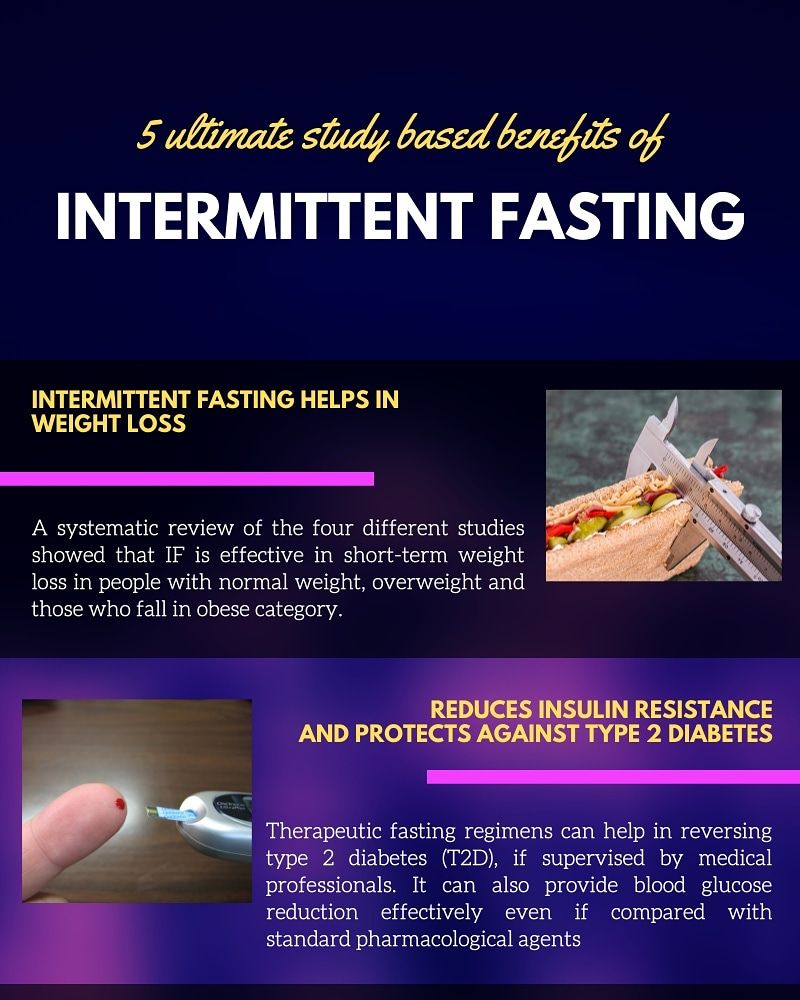
Intermittent Fasting and Insulin Sensitivity: A Powerful Combination for Optimal Health
In recent years, intermittent fasting has gained significant attention for its potential health benefits. From weight loss to improved brain function, this eating pattern has been praised by many as a simple yet effective way to enhance overall well-being. One particular aspect that makes intermittent fasting so compelling is its impact on insulin sensitivity.
Insulin sensitivity refers to how effectively our cells respond to the hormone insulin in regulating blood sugar levels. When our bodies become less sensitive to insulin, it can lead to various health issues such as obesity, type 2 diabetes, and metabolic syndrome. However, through the practice of intermittent fasting, we have the opportunity to improve our body’s response to insulin and promote better metabolic health.
Understanding Insulin Sensitivity
Before delving into how intermittent fasting influences insulin sensitivity, it’s crucial to grasp the basic concept of insulin itself. Produced by the pancreas, insulin plays a vital role in maintaining balanced blood glucose levels. It facilitates the absorption of glucose (sugar) from the bloodstream into cells where it is used as energy or stored for later use.
When individuals develop reduced insulin sensitivity (insulin resistance), their cells struggle to respond adequately to this hormone’s signals. Consequently, higher levels of circulating glucose remain in the bloodstream rather than being absorbed into cells efficiently. Over time, this can lead not only to elevated blood sugar but also increased fat storage and other detrimental effects on overall health.
The Role of Intermittent Fasting
Intermittent fasting is an eating pattern that cycles between periods of eating and fasting. There are several popular methods such as alternate-day fasting (ADF), time-restricted feeding (TRF), or periodic prolonged fasts lasting multiple days. Regardless of which approach one chooses, studies suggest that intermittent fasting can positively influence insulin sensitivity.
One key mechanism responsible for these improvements lies within adipose tissue—commonly known as body fat. Excess body fat, especially visceral fat surrounding organs, is closely linked to insulin resistance. Intermittent fasting has been shown to reduce overall body weight and specifically target visceral fat stores.
By limiting the duration of eating windows or engaging in longer fasting periods, intermittent fasting helps create an energy deficit in the body. This reduction in calorie intake prompts our bodies to tap into stored fat for energy during the fasting period. As a result, not only does this aid in weight loss but it also decreases the amount of harmful adipose tissue that contributes to insulin resistance.
Another way intermittent fasting enhances insulin sensitivity is by modulating hormones involved in glucose regulation. During the fasting phase, levels of growth hormone increase while insulin levels decrease. This hormonal shift encourages fat breakdown and improves glucose utilization within cells when we do consume food.
Furthermore, intermittent fasting stimulates autophagy—a cellular recycling process that removes damaged proteins and organelles from cells. Autophagy plays a crucial role in maintaining cell health and preventing various diseases including those related to metabolic dysfunction like diabetes and obesity.
Scientific Evidence
Numerous scientific studies have explored the effects of intermittent fasting on insulin sensitivity with promising findings. A study published in Cell Metabolism demonstrated that alternate-day fasting improved insulin sensitivity significantly after just three weeks among participants who were overweight or had mild asthma.
Additionally, research conducted on animals has shown that time-restricted feeding can reverse preexisting symptoms of type 2 diabetes by restoring proper pancreatic function and normalizing blood sugar levels.
Practical Tips for Incorporating Intermittent Fasting
If you’re interested in reaping the benefits of improving your insulin sensitivity through intermittent fasting, here are some practical tips to consider:
1. Start slowly: Begin with shorter periods of fasting (e.g., 12-14 hours) and gradually increase over time.
2. Choose an approach that suits you: Experiment with different intermittent fasting methods to find the one that aligns best with your lifestyle and preferences.
3. Stay hydrated: Drink plenty of water during fasting periods to stay adequately hydrated.
4. Focus on whole, nutrient-dense foods: When breaking your fast, prioritize consuming balanced meals rich in lean proteins, healthy fats, and fiber-rich carbohydrates.
However, it’s important to note that intermittent fasting may not be suitable for everyone. Individuals with certain medical conditions or those who are pregnant or breastfeeding should consult their healthcare provider before incorporating this eating pattern into their routine.
In Conclusion
Intermittent fasting has emerged as a powerful tool for improving insulin sensitivity and promoting metabolic health. By reducing body fat stores, modulating hormone levels, and stimulating autophagy, this eating pattern offers a practical means of enhancing overall well-being. However, as with any significant dietary changes, it is always advisable to seek guidance from a healthcare professional before embarking on an intermittent fasting journey.

Leave a Reply