As consumers become more conscious of their health and strive to make better food choices, reading food labels has become an essential skill. For those seeking low-fat options, deciphering the information on these labels can be a bit intimidating. However, with some guidance and knowledge, it is possible to navigate through the various sections of a food label and identify products that are low in fat. In this article, we will provide you with a comprehensive guide on how to read food labels for low-fat content.
1. Start with serving size:
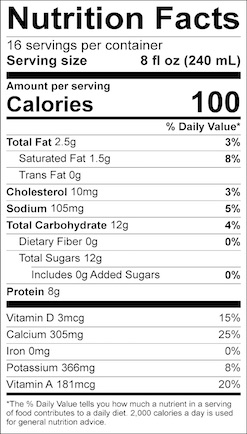
The first step in understanding a food label is to determine the serving size. This information is crucial because all other values listed on the label (including fat content) are based on this serving size. Be mindful that serving sizes can vary between different products or brands, so compare them when making comparisons.
2. Identify total fat:
Directly beneath the serving size section, you will find the total fat content per serving expressed in grams (g). Look for foods that have lower numbers here if your goal is to consume less fat. Generally speaking, foods containing 3 grams of fat or less per serving can be considered low in fat.
3. Check saturated and trans fats:
Not all fats are created equal; some types of fats can negatively impact our health more than others. Saturated fats and trans fats fall into this category and should ideally be consumed sparingly.
– Saturated Fat: It is recommended to limit saturated fat intake as it can raise cholesterol levels and increase the risk of heart disease. The American Heart Association advises consuming no more than 13 grams of saturated fat per day for an average adult following a 2000-calorie diet.
– Trans Fat: Trans fats are artificially created during hydrogenation processes used in many processed foods like margarine or packaged baked goods. They contribute to inflammation within the body and elevate bad cholesterol levels while lowering good ones (HDL). Ideally, trans fats should be avoided altogether.
On food labels, both saturated and trans fats are listed in grams. Look for products with low or zero values for these fats to make healthier choices.
4. Evaluate cholesterol content:
While cholesterol is not directly related to fat content, it is worth considering when making heart-healthy choices. The recommended daily intake of cholesterol is no more than 300 milligrams (mg) per day. Foods with lower cholesterol levels can be preferred if you are concerned about your heart health.
5. Analyze the ingredient list:
Apart from the nutritional facts panel, the ingredient list provides valuable information about a product’s composition. Ingredients are usually listed in descending order by weight, meaning that the first few ingredients make up the majority of what you’re consuming.
When searching for low-fat options, keep an eye out for ingredients such as oils (e.g., coconut oil or palm oil), hydrogenated oils (trans fats), lard, cream, fatty meats, or high-fat dairy products like whole milk or cream cheese. Choosing products without these high-fat ingredients will help you avoid excessive fat consumption.
6. Consider additive claims on packaging:
Food manufacturers often use terms like “low-fat,” “fat-free,” or “reduced fat” on their packaging to attract health-conscious consumers. While these claims may sound appealing at first glance, it’s essential to verify them by checking the nutritional facts panel and ingredient list yourself.
7. Be cautious of hidden sources of fat:
Sometimes foods that appear healthy can still contain significant amounts of hidden fats. For example, granola bars marketed as nutritious snacks may have added oils and sugars that contribute to higher fat content than expected.
To identify hidden sources of fat:
– Read ingredient lists carefully: Look out for oils (including hydrogenated ones), butters, creams, and other high-fat additives.
– Be mindful of portion sizes: Even if a food label states low-fat per serving, consuming multiple servings can result in a significant fat intake.
8. Utilize mobile apps and online resources:
In today’s digital world, there are numerous mobile apps and online resources available that can help you analyze food labels quickly. These tools allow you to scan barcodes or search for specific products, providing detailed nutritional information including fat content.
Remember to always cross-check the information provided by these apps with the actual food label to ensure accuracy.
Conclusion:
Reading food labels is an essential skill for making informed choices about your diet. When aiming for low-fat options, focus on the total fat content per serving, while also considering saturated and trans fats. Take note of cholesterol levels and carefully read ingredient lists to avoid hidden sources of fat. By following these guidelines and utilizing available resources, you will become better equipped to identify low-fat foods and make healthier choices for yourself and your family.

Leave a Reply