Antioxidants: Your Guide to Health and Wellness
What are antioxidants?
Antioxidants are compounds found in various foods that can help protect our bodies from damage caused by harmful molecules called free radicals. Free radicals are highly reactive substances that can cause oxidative stress, leading to cell damage and potentially contributing to the development of chronic diseases such as heart disease, cancer, and diabetes.
How do antioxidants work?
When free radicals accumulate in the body due to factors like pollution, smoking, or a poor diet, they can cause cellular damage by stealing electrons from stable molecules within our cells. This process is known as oxidation. Antioxidants neutralize these free radicals by donating an electron without becoming unstable themselves. By doing so, they prevent further damage and promote overall health and wellness.
What are some common sources of antioxidants?
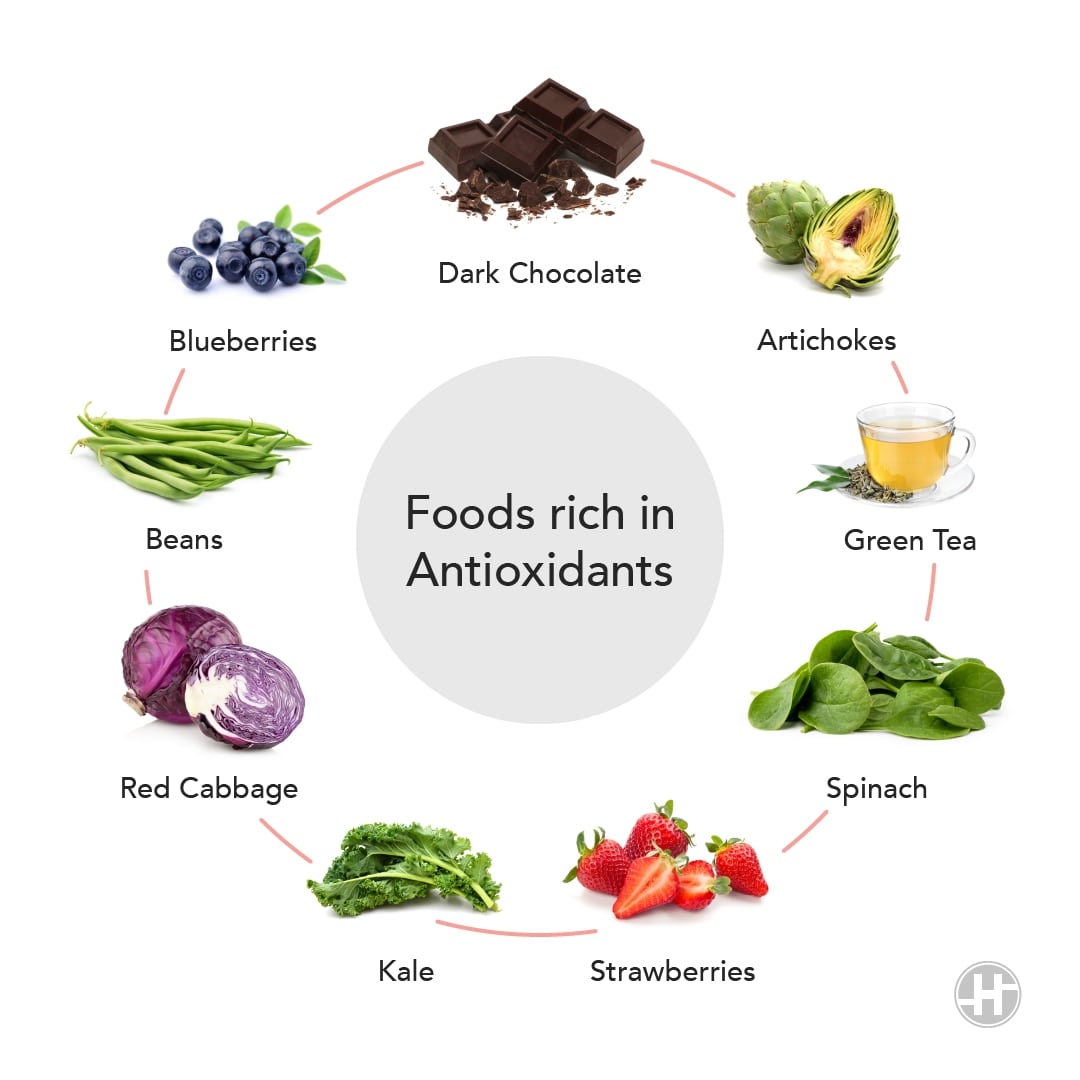
A wide variety of fruits, vegetables, nuts, seeds, whole grains, herbs, spices, and even some beverages contain antioxidants. Some popular examples include berries (such as blueberries and strawberries), citrus fruits (like oranges and lemons), leafy greens (such as spinach and kale), nuts (like almonds and walnuts), green tea, dark chocolate/cocoa powder (in moderation), tomatoes/tomato products (due to their lycopene content), turmeric/curcumin supplements or spice (known for its anti-inflammatory properties), among many others.
Which specific types of antioxidants should I be aware of?
There is no single antioxidant that does it all; rather it’s a combination of different types working together synergistically that provides optimal benefits. Here are a few noteworthy ones:
1. Vitamin C: Found abundantly in citrus fruits like oranges or grapefruits along with other produce like strawberries or bell peppers.
2. Vitamin E: Present in foods like almonds or sunflower seeds.
3. Beta-carotene: A precursor to vitamin A found in carrots or sweet potatoes.
4. Selenium: Present in foods like brazil nuts, fish (tuna or salmon), and whole grains.
5. Flavonoids: A diverse group of antioxidants found in fruits, vegetables, tea, wine, and dark chocolate.
It’s important to note that while antioxidant-rich foods are beneficial for health, it’s best to obtain them through a balanced diet rather than relying solely on supplements. Whole foods provide a wide range of nutrients and phytochemicals that work together synergistically for optimal health benefits.
Can antioxidants prevent chronic diseases?
While research suggests that diets rich in antioxidants may reduce the risk of chronic diseases, it’s essential to understand that they are just one piece of the puzzle when it comes to overall health. A healthy lifestyle is multifaceted and includes regular exercise, stress management techniques, adequate sleep patterns along with a balanced diet full of nutrient-dense foods.
How can I incorporate more antioxidants into my diet?
1. Include a variety of colorful fruits and vegetables in your meals: Opt for berries as snacks or add them to smoothies; include leafy greens like spinach or kale in salads or sautés.
2. Choose whole grains over refined ones: Replace white rice with brown rice or quinoa; opt for whole-grain bread instead of white bread.
3. Snack on nuts and seeds: Almonds, walnuts, chia seeds, flaxseeds are all excellent sources of antioxidants.
4. Drink green tea: It contains catechins which act as powerful antioxidants.
5. Use herbs and spices generously: Turmeric is known for its antioxidant properties; cinnamon has been linked to various health benefits as well.
Remember that variety is key! By incorporating a wide range of antioxidant-rich foods into your daily meals and snacks, you’ll be providing your body with an array of different compounds necessary for optimal functioning.
Are there any risks associated with consuming too many antioxidants?
While there are minimal risks associated with consuming antioxidants from whole foods, excessive intake of antioxidant supplements may have adverse effects. High doses of certain antioxidants like beta-carotene or vitamin E through supplements have been linked to potential health risks. It’s always best to aim for a balanced diet and consult with a healthcare professional before starting any supplementation regimen.
In conclusion, antioxidants play an essential role in promoting overall health and well-being by neutralizing free radicals that can cause cellular damage. By incorporating a wide variety of antioxidant-rich foods into your daily meals and snacks, you can ensure you’re getting the necessary nutrients for optimal functioning. Remember, it’s not about one single antioxidant but rather the combination found in whole foods that provides the greatest benefits. So make sure to eat a rainbow-colored plate filled with fruits, vegetables, nuts, seeds, whole grains, herbs, spices, and other nutrient-dense choices!

Leave a Reply