Gut health is an essential aspect of overall well-being. The gut, also known as the gastrointestinal tract, plays a vital role in digestion and absorption of nutrients, as well as housing trillions of microorganisms collectively called the gut microbiota.
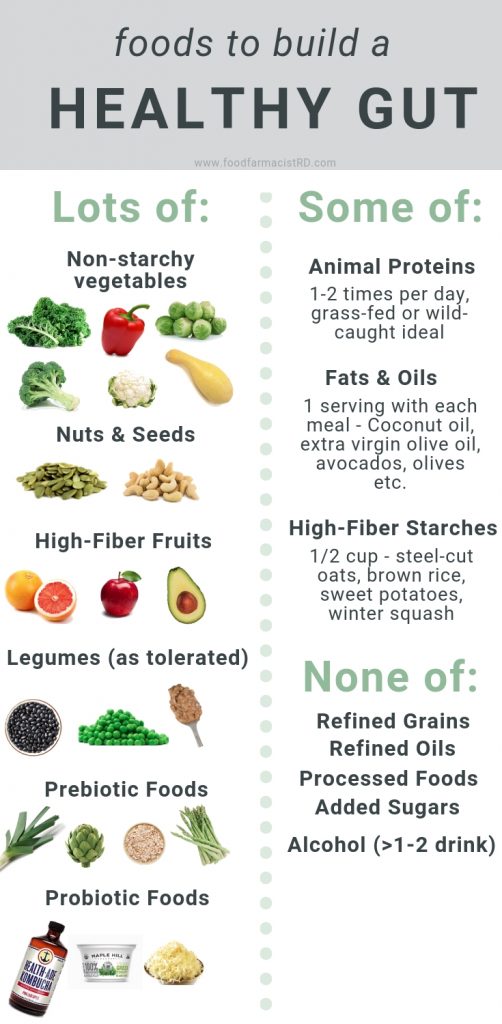
To maintain a healthy gut, it is important to consume a balanced diet rich in fiber. Fiber acts as fuel for beneficial bacteria in the gut and helps promote regular bowel movements. Foods like fruits, vegetables, whole grains, legumes, and nuts are excellent sources of dietary fiber.
Probiotics are another key component for gut health. These live bacteria or yeasts can be found in fermented foods like yogurt, kefir, sauerkraut, and kimchi. Probiotics help restore the natural balance of bacteria in the gut and support proper digestion.
In addition to consuming fiber and probiotics, it’s crucial to stay hydrated by drinking enough water throughout the day. Water aids in digestion by softening stool and preventing constipation.
Reducing stress levels is also important for maintaining good gut health. Chronic stress can disrupt the balance of bacteria in your gut and lead to digestive issues. Incorporating stress-reducing practices such as exercise, meditation, yoga or deep breathing exercises can have a positive impact on both your mental well-being and your digestive system.
Lastly but not leastly – avoid excessive consumption of processed foods high in refined sugars and unhealthy fats. These types of food can negatively impact your gut health by promoting inflammation and disrupting microbial diversity within the digestive system.
By following these guidelines – eating a fiber-rich diet with probiotic foods while staying hydrated – you can improve your gut health dramatically. Remember that every individual is unique; if you have persistent digestive issues or concerns about your gut health despite these measures outlined above; consult with a healthcare professional for personalized advice!

Leave a Reply