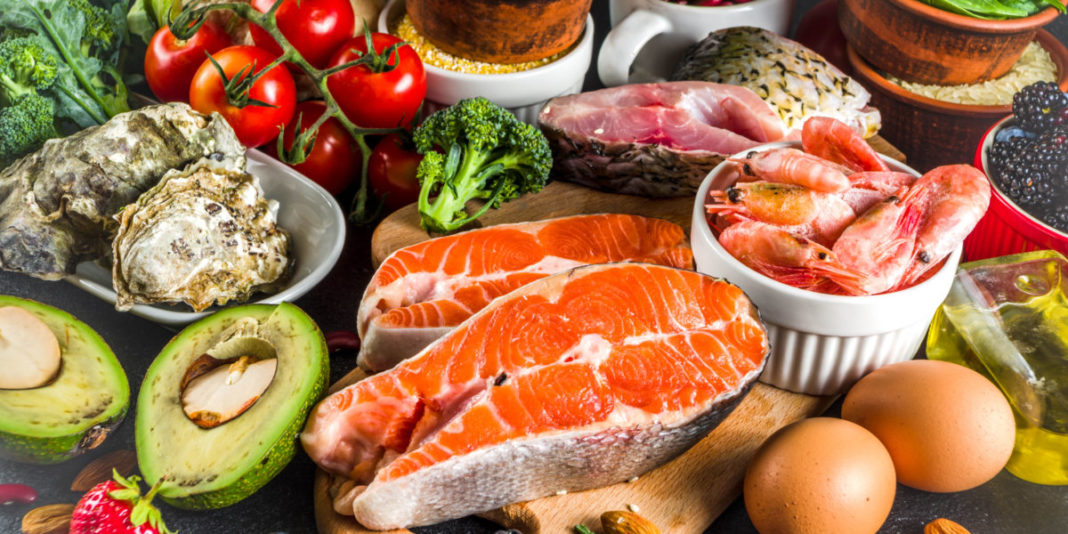
Balancing Carbohydrates and Fats in a Pescatarian Diet
A pescatarian diet is one that includes fish and other seafood but excludes meat. It is considered to be a healthy way of eating, as it provides essential nutrients while also reducing the intake of saturated fats found in meat products. However, like any dietary approach, it is important to strike a balance when it comes to macronutrients such as carbohydrates and fats.
Carbohydrates are the body’s main source of energy, providing fuel for various bodily functions and physical activities. They can be found in foods such as grains, fruits, vegetables, legumes, and dairy products. On the other hand, fats are crucial for hormone production, insulation of organs, absorption of fat-soluble vitamins, and overall cellular health. Sources of healthy fats include nuts, seeds, avocados, olive oil, and fatty fish.
To maintain an optimal balance between carbohydrates and fats in a pescatarian diet:
1. Prioritize complex carbohydrates: Instead of relying heavily on simple carbohydrates like refined grains or sugary snacks which can cause blood sugar spikes followed by crashes leading to cravings; focus on incorporating complex carbohydrates into your meals. These include whole grains like quinoa or brown rice along with fiber-rich fruits and vegetables like sweet potatoes or leafy greens.
2. Include high-quality protein sources: As a pescatarian diet emphasizes fish consumption as its primary protein source; aim for variety by including both fatty fish (such as salmon or mackerel) rich in omega-3 fatty acids as well as leaner options (like cod or haddock). This will help you obtain adequate amounts of essential amino acids while also getting beneficial fats from fatty fish varieties.
3. Choose healthy cooking methods: When preparing your meals with oils/fats use healthier options such as extra virgin olive oil instead of butter or lard which may contain unhealthy saturated fats. Also, opt for baking, grilling, steaming, or sautéing instead of deep-frying to minimize the addition of excessive oils.
4. Opt for plant-based fats: Aside from fish-based sources of healthy fats, include plant-based options in your diet as well. Avocados are an excellent source of monounsaturated fats and can be added to salads, spread on toast, or used as a substitute for butter in baking recipes. Nuts and seeds like almonds, walnuts, chia seeds, and flaxseeds are also rich in beneficial fats and can be sprinkled over meals or enjoyed as snacks.
5. Balance portion sizes: It’s important to maintain a balanced caloric intake by being mindful of portion sizes when it comes to carbohydrates and fats. While both macronutrients are essential for health, consuming them in excess can lead to weight gain or other health issues. Aim for moderation by filling half your plate with non-starchy vegetables (low-carb) while allocating smaller portions for whole grains (complex carbs) and healthy fats.
6. Consider individual needs: Each person’s dietary requirements may vary based on factors such as age, gender, activity level, and overall health status. Consulting with a registered dietitian who specializes in pescatarian diets can provide personalized guidance tailored to your specific needs.
7. Don’t forget about micronutrients: While balancing macronutrients is important; it’s equally crucial not to overlook essential vitamins and minerals found in various food groups within the pescatarian diet. Ensure you’re getting enough nutrients like iron from leafy greens or legumes; calcium from fortified plant-based milk alternatives or dairy products if included; vitamin B12 commonly found only in animal-derived foods but also available through fortified products like nutritional yeast or supplements if needed; iodine from seaweed/seafood sources; among others.
In conclusion, a pescatarian diet can be a healthy and sustainable approach to eating. Balancing carbohydrates and fats is essential for optimal health within this dietary pattern. Prioritizing complex carbohydrates, incorporating high-quality protein sources, choosing healthy cooking methods, including plant-based fats, balancing portion sizes, considering individual needs, and ensuring micronutrient adequacy are all important factors to consider when following a pescatarian lifestyle. By implementing these guidelines, you can create a well-rounded and nutritious diet that supports your overall well-being.

Leave a Reply