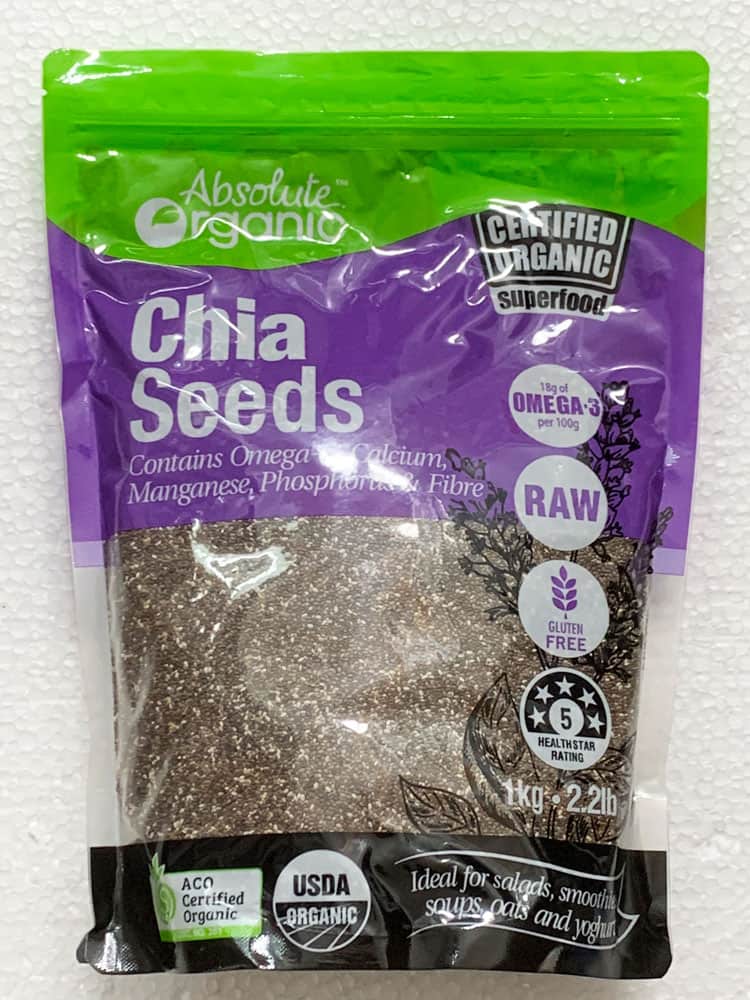
Chia Seeds: A Mighty Source of Omega-3 Fatty Acids
Omega-3 fatty acids are essential nutrients that play a crucial role in maintaining overall health. They offer numerous benefits, such as reducing inflammation, improving brain function, and supporting heart health. While fish and seafood are commonly recognized as excellent sources of omega-3s, there is another plant-based superfood that deserves attention – chia seeds.
Chia seeds have been consumed for thousands of years by ancient civilizations like the Maya and Aztecs. These tiny black or white seeds come from the Salvia hispanica plant and pack a nutritional punch. Despite their small size, chia seeds boast an impressive nutrient profile including fiber, protein, antioxidants, vitamins, minerals, and especially omega-3 fatty acids.
Omega-3 fatty acids are categorized into three main types: alpha-linolenic acid (ALA), eicosapentaenoic acid (EPA), and docosahexaenoic acid (DHA). Chia seeds primarily provide ALA omega-3s which can be converted to EPA and DHA in the body to some extent.
Here’s why chia seeds deserve recognition as a source of omega-3 fatty acids:
1. High Omega-3 Content:
Chia seeds contain approximately 18 grams of ALA omega-3s per ounce (28 grams). This makes them one of the richest plant-based sources available. Incorporating just two tablespoons of chia seeds into your daily diet would fulfill most adults’ recommended daily intake for this essential fat.
2. Anti-Inflammatory Properties:
Omega-3 fatty acids exhibit potent anti-inflammatory effects within the body. Chronic inflammation has been linked to various diseases such as heart disease, diabetes, arthritis, and even certain types of cancer. Including chia seeds in your diet may help reduce inflammation levels due to their high omega-3 content.
3. Heart Health:
Numerous studies have shown the positive impact of omega-3 fatty acids on heart health. They can help lower blood pressure, reduce triglyceride levels, prevent plaque formation in arteries, and decrease the risk of cardiac arrhythmias. Chia seeds’ omega-3 content supports these benefits and promotes cardiovascular well-being.
4. Brain Function and Mental Health:
The brain relies heavily on omega-3 fatty acids for optimal function. EPA and DHA are essential components of brain cell membranes, promoting better communication between cells. Adequate intake of omega-3s has been associated with improved cognition, memory, and mood regulation. While chia seeds provide ALA rather than direct EPA or DHA, some studies suggest that ALA may still contribute to brain health by aiding in the conversion process.
5. Weight Management:
Chia seeds can be a valuable addition to weight management plans due to their high fiber content – another nutrient that aids satiety and helps control appetite. When consumed, chia seeds absorb liquid and expand in the stomach, creating a feeling of fullness which can prevent overeating or snacking between meals.
6. Easy Incorporation into Your Diet:
One significant advantage of chia seeds is their versatility when it comes to culinary use. These tiny seeds are virtually tasteless but develop a gel-like consistency when soaked in liquid such as water or milk; this makes them an excellent choice for puddings or as an egg substitute in baking recipes. You can also sprinkle them onto salads, yogurt bowls, smoothies or incorporate them into homemade granola bars for added nutrition.
7. Shelf-Stable Superfood:
Chia seeds have an impressive shelf life due to their natural antioxidants which protect against oxidation and rancidity. This makes them easy to store without worrying about spoilage or loss of nutritional value.
8: Vegetarian/Vegan Source:
For individuals following vegetarian or vegan diets who might not consume fish or seafood, chia seeds provide a plant-based alternative to obtain omega-3 fatty acids. They offer an excellent option for those looking to boost their intake of this essential nutrient.
However, it’s important to note that chia seeds contain phytic acid, which can hinder the absorption of certain minerals like iron and zinc. To mitigate this, you can soak or sprout chia seeds before consuming them. Additionally, if you have any underlying health conditions or are on medication, consult with a healthcare professional before making significant changes to your diet.
In conclusion, chia seeds are an incredible source of omega-3 fatty acids that offer numerous health benefits. Their high ALA content makes them a valuable addition to any diet seeking to optimize heart health, brain function and reduce inflammation levels. With their versatility and long shelf life, incorporating these tiny powerhouse seeds into your daily routine is both simple and rewarding. So go ahead and sprinkle some chia goodness onto your favorite dishes – your body will thank you!

Leave a Reply