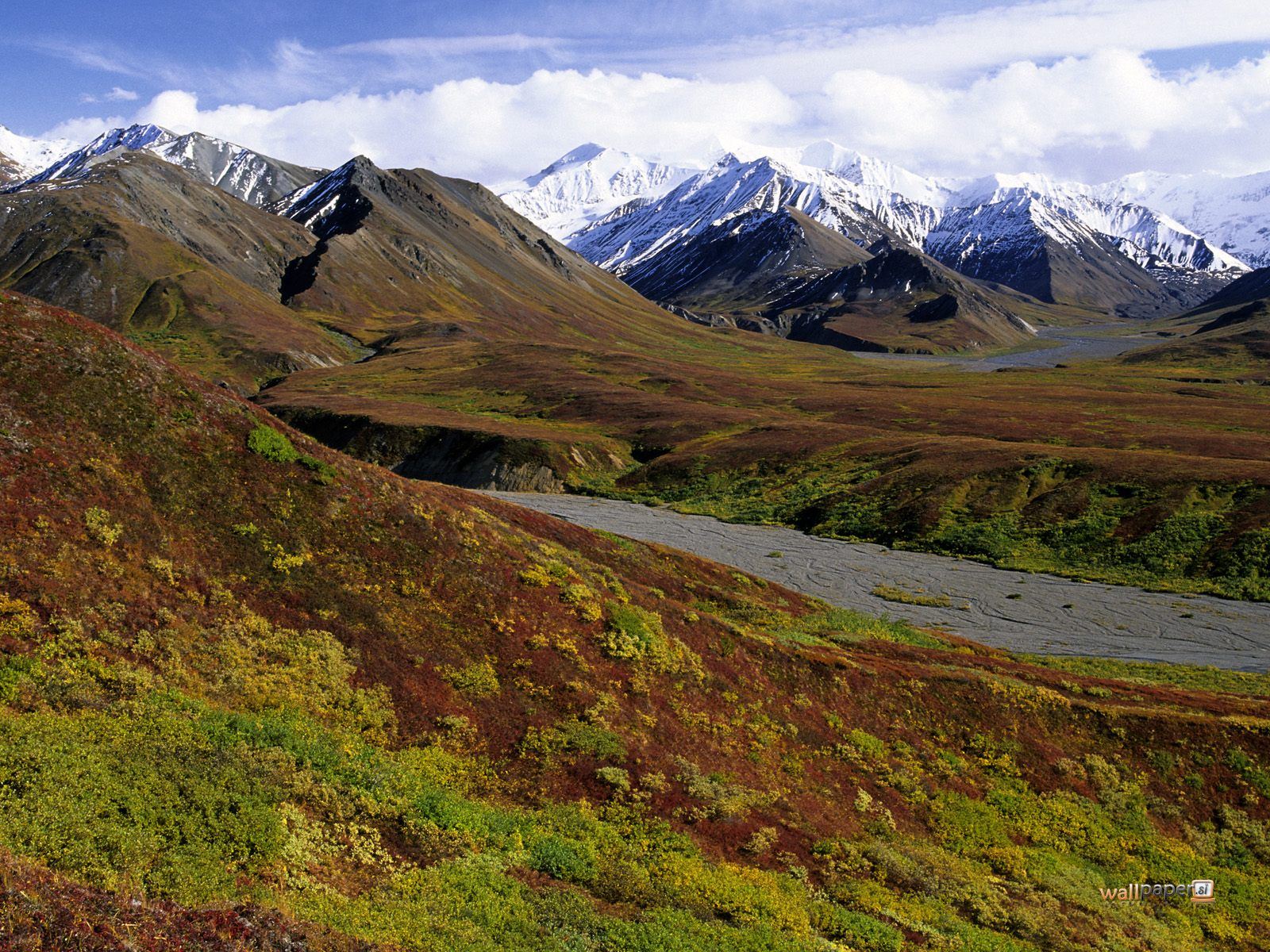
The tundra is a unique biome that covers vast stretches of land in the Arctic and high mountain regions. It is characterized by extreme cold temperatures, permafrost, and a short growing season. Despite its harsh conditions, the tundra supports a surprising variety of plant and animal life. In this deep-dive post, we will explore the wonders of the tundra and uncover why it can be an excellent addition to a healthy eating plan.
1. Understanding the Tundra:
The tundra is divided into two types: Arctic tundra found near the North Pole and alpine tundra present at high altitudes around the world. Both have similar climatic conditions but differ in terms of location and altitude.
The primary feature of the tundra is permafrost—a layer of permanently frozen soil that restricts water drainage. This characteristic creates wetlands, ponds, and shallow lakes during brief summer thaws. The low temperatures also limit plant growth to hardy species like mosses, lichens, grasses, shrubs, dwarf trees (in some areas), and wildflowers.
2. Nutritional Benefits from Tundra Plants:
Although not as diverse as other biomes in terms of vegetation abundance, plants in the tundra offer unique nutritional benefits due to their adaptation to extreme environments.
a) Berries: One notable example is berries—small but powerful fruits found across various parts of the tundra worldwide. Berries such as blueberries (bilberries), cranberries (lingonberries), cloudberries (bakeapples), crowberries (black crowberries), and bearberries are rich sources of antioxidants like vitamin C that help fight free radicals and support overall health.
b) Edible Roots: Some plants have edible roots adapted for survival in freezing climates. The Arctic sweet coltsfoot root has been traditionally used by indigenous communities for culinary purposes due to its high starch content.
c) Medicinal Plants: The tundra is also home to several medicinal plants. For instance, Labrador tea is known for its antimicrobial properties and has been used by indigenous cultures to treat respiratory ailments.
3. Wildlife in the Tundra:
The tundra is not only a botanical wonderland but also supports an array of animal life, some of which can be part of a healthy eating plan.
a) Arctic Char: This cold-water fish species thrives in the icy waters of the Arctic tundra’s rivers and lakes. It is an excellent source of lean protein and essential omega-3 fatty acids that contribute to heart health.
b) Caribou/Reindeer: These majestic creatures have adapted well to the harsh tundra conditions. Their lean meat is low in fat and cholesterol while being rich in iron and vitamin B12—an essential nutrient for red blood cell production.
c) Musk Ox: Known for their thick fur, musk oxen are herbivorous mammals that roam the tundras. Their meat contains lower levels of saturated fat compared to beef while providing high-quality protein.
4. Sustainable Harvesting Practices:
When incorporating elements from the tundra into our diets, it is crucial to prioritize sustainable harvesting practices and respect local regulations:
a) Indigenous Knowledge: Indigenous communities have lived sustainably in these regions for centuries, relying on traditional knowledge passed down through generations. Collaborating with these communities can ensure responsible sourcing practices while preserving cultural heritage.
b) Seasonal Availability: Many wild berries found in the tundra have short growing seasons. By consuming them during their peak season or preserving them for later use (e.g., freezing or drying), we can enjoy their nutritional benefits year-round without negatively impacting ecosystem balance.
5. Environmental Considerations:
While there are potential health benefits associated with consuming products from the tundra, it’s important to consider environmental implications:
a) Climate Change Impact: The warming climate poses significant threats to the tundra biome. Rising temperatures can disturb the delicate balance of ecosystems, affecting plant and animal species’ survival. Supporting initiatives that combat climate change is crucial for preserving the tundra’s unique biodiversity.
b) Avoid Overharvesting: The limited resources in the tundra call for responsible consumption practices. Ensuring sustainable harvest levels prevents overexploitation and allows plants and animals to regenerate naturally.
In conclusion, exploring the wonders of the tundra adds depth to a healthy eating plan by incorporating unique and nutritious elements into our diets. From antioxidant-rich berries to lean protein sources like Arctic char and reindeer meat, there are numerous options available from this fascinating biome. However, it is essential to approach sourcing with care, prioritize sustainability, support indigenous knowledge, and consider environmental implications. By doing so, we can enjoy the benefits of the tundra while helping to preserve its fragile ecosystem for future generations.

Leave a Reply