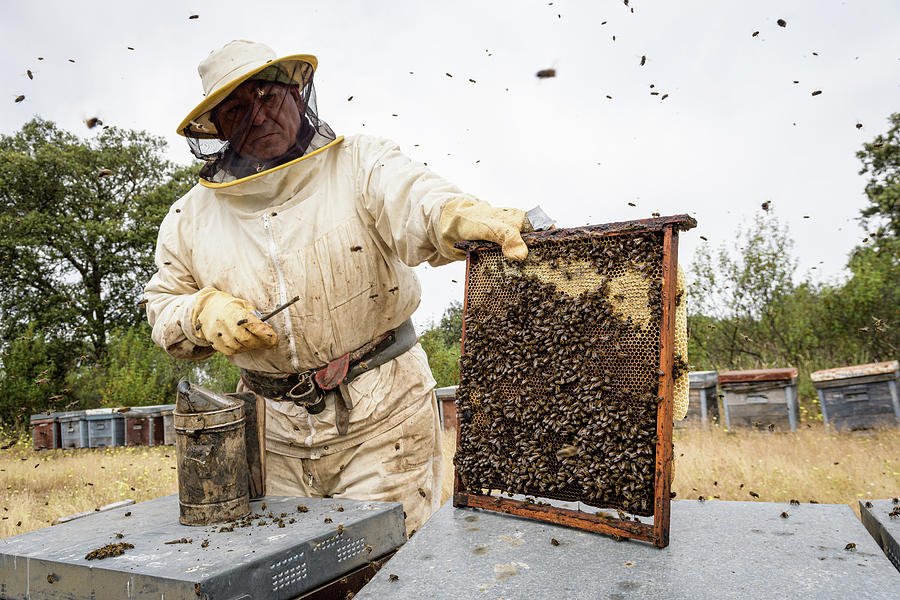
Local Honey and Beekeeping: The Sweet Benefits for Your Health
In recent years, there has been a growing interest in local honey and beekeeping. And it’s not without reason. Beyond its delicious taste and versatility as a sweetener, local honey offers numerous health benefits that you may not be aware of. In this article, we will explore the wonders of local honey and shed light on the importance of supporting beekeepers in your community.
Beekeeping, also known as apiculture, is the practice of nurturing and maintaining colonies of bees to harvest their honey. While it has been around for thousands of years, beekeeping has gained popularity due to its environmental impact and contribution to food security. But let’s delve deeper into why local honey holds such significance.
One key advantage of consuming local honey lies in its potential to alleviate allergies. Local honeys are produced by bees that collect nectar from plants within a specific region. As a result, these honeys contain trace amounts of pollen from those plants. By consuming small doses of this pollen through local honey over time, some individuals find relief from seasonal allergies caused by similar pollens present in their environment.
However, it is important to note that while many people swear by the allergy-relieving properties of local honey, scientific research supporting this claim is limited. Allergies are complex conditions with individual variations; thus, results may vary across different individuals.
Beyond relieving allergies, local honey boasts several other health benefits worth exploring further:
1. Nutritional Value: Honey contains essential nutrients such as vitamins B2 (riboflavin), B3 (niacin), B5 (pantothenic acid), and minerals like calcium and iron – all crucial for maintaining overall health.
2. Antioxidant Powerhouse: Rich in antioxidants like flavonoids and phenolic compounds, locally sourced raw honey can help combat oxidative stress in the body caused by free radicals.
3. Wound Healing: For centuries, honey has been used to treat wounds and burns due to its antibacterial and anti-inflammatory properties. Local honey, in particular, may be more effective against certain strains of bacteria found in your area.
4. Soothing Coughs and Sore Throats: A spoonful of local honey mixed with warm water or herbal tea can provide relief from coughs and soothe a sore throat due to its antimicrobial properties.
5. Digestive Health: Honey is known for its prebiotic properties, which means it can promote the growth of beneficial gut bacteria. This can aid digestion and improve overall gut health.
Now that we understand the benefits of local honey, let’s take a closer look at why supporting beekeepers in our communities is so important.
1. Environmental Stewardship: Beekeeping promotes biodiversity by ensuring pollination for plants that rely on bees for reproduction. By supporting local beekeepers, you contribute to the preservation of ecosystems and help protect endangered plant species.
2. Food Security: Bees play a crucial role in food production as pollinators. One-third of all crops worldwide depend on bees for pollination, including fruits, vegetables, nuts, and seeds. By supporting local beekeepers who maintain healthy populations of bees, we help ensure a stable food supply for future generations.
3. Sustainable Agriculture Practices: Many small-scale beekeepers use sustainable farming methods that focus on organic practices without relying heavily on pesticides or chemicals harmful to bees’ health or the environment. Supporting these practices helps foster a healthier ecosystem while preserving the quality of our food sources.
So how can you support local beekeepers?
1. Buy Local Honey: Look for raw honey produced by nearby apiaries at farmers’ markets or specialty stores instead of commercial brands sourced from unknown origins.
2.Support Bee-Friendly Initiatives: Engage with organizations dedicated to promoting sustainable beekeeping practices and protecting pollinators. Volunteer your time or donate to their causes.
3. Plant Bee-Friendly Gardens: Create a haven for bees by planting flowers, herbs, and shrubs that provide nectar and pollen throughout the year. Avoid using pesticides harmful to bees and other beneficial insects.
4. Spread Awareness: Educate others about the importance of local honey and beekeeping in preserving our environment, promoting food security, and ensuring a sustainable future.
In conclusion, local honey is not just a delicious alternative sweetener; it offers numerous health benefits and supports vital ecosystems through sustainable beekeeping practices. By incorporating local honey into your diet and supporting beekeepers within your community, you contribute to both your own well-being and the greater good of our planet. So let’s raise awareness about this golden elixir and give bees the attention they deserve!

Leave a Reply