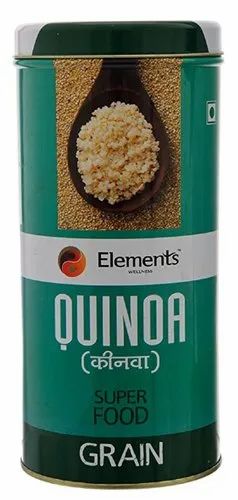
Quinoa: The Nutritional Powerhouse
In recent years, quinoa has gained immense popularity as a superfood. This ancient grain, native to the Andean region of South America, is not only delicious but also packed with numerous health benefits. It has become a staple in many healthy diets due to its high nutritional content and versatility in cooking. In this article, we will delve into the statistics and scientific evidence behind why quinoa deserves its reputation as one of the world’s most nutritious foods.
Protein Powerhouse:
One of the standout features of quinoa is its exceptional protein content. Unlike most plant-based sources of protein that lack certain essential amino acids, quinoa is considered a complete protein source. A complete protein contains all nine essential amino acids required by our bodies for optimal functioning.
According to the United States Department of Agriculture (USDA), 100 grams (3.5 ounces) of cooked quinoa provides approximately 4 grams of protein. Compared to other grains like rice or wheat, which provide around 2-3 grams per serving, quinoa stands out as an excellent choice for individuals following vegetarian or vegan diets.
Rich in Fiber:
Fiber plays a crucial role in maintaining digestive health and preventing chronic diseases such as heart disease and diabetes. Quinoa is an excellent source of dietary fiber, with approximately 2 grams per 100 grams (cooked).
A study published in the Journal of Food Science found that consuming whole-grain products like quinoa can reduce the risk of developing chronic diseases by providing ample amounts of dietary fiber and other beneficial compounds.
Packed with Essential Vitamins and Minerals:
Quinoa boasts an impressive nutrient profile that includes several vitamins and minerals vital for overall well-being. According to data from the USDA National Nutrient Database, cooked quinoa contains significant amounts of folate, magnesium, iron, zinc, copper, potassium, and phosphorus.
Folate is important for pregnant women, as it aids in the development of the neural tube in fetuses. Magnesium is essential for bone health and plays a vital role in over 300 biochemical reactions in the body. Iron is crucial for oxygen transport and preventing iron-deficiency anemia.
Heart-Healthy Benefits:
The American Heart Association recommends consuming whole grains as part of a heart-healthy diet due to their potential benefits in reducing the risk of cardiovascular disease. Quinoa fits perfectly into this category.
A study published in The Journal of Nutrition found that individuals who consumed quinoa regularly had lower levels of LDL cholesterol (the “bad” cholesterol) compared to those who did not include quinoa in their diet. The high fiber content, along with other beneficial compounds such as antioxidants, may contribute to its positive impact on heart health.
Low Glycemic Index:
Quinoa has a low glycemic index (GI), which means it causes a slower rise in blood sugar levels compared to high-GI foods like white rice or refined grains. This makes quinoa an excellent choice for individuals with diabetes or those aiming to control their blood sugar levels.
A study published in The Journal of Food Science found that incorporating quinoa into meals can help regulate post-meal glucose response, making it suitable for individuals managing diabetes or insulin resistance.
Gluten-Free Alternative:
Quinoa is naturally gluten-free, making it an ideal grain alternative for people with celiac disease or gluten sensitivity. According to estimates from the National Foundation for Celiac Awareness, approximately 1% of Americans have celiac disease, while many others adopt a gluten-free lifestyle by choice.
The versatility and nutritional value of quinoa make it an excellent substitute for wheat-based products like pasta and bread. It can be used as a base ingredient in salads, side dishes, breakfast bowls, and even desserts!
Incorporating Quinoa Into Your Diet:
Now that we’ve explored the impressive statistics behind quinoa’s nutritional value, let’s discuss some practical ways to incorporate this superfood into your daily diet.
1. Quinoa Salad: Create a refreshing and nutritious salad by combining cooked quinoa with fresh vegetables, herbs, and a tangy dressing.
2. Quinoa Breakfast Bowl: Start your day with a protein-packed breakfast bowl topped with fruits, nuts, and a drizzle of honey or maple syrup.
3. Quinoa Stuffed Bell Peppers: Use quinoa as a filling for stuffed bell peppers along with other vegetables and spices.
4. Quinoa Porridge: Prepare a warm bowl of quinoa porridge using milk (or plant-based alternatives) and sweeten it with cinnamon, fruits, or a touch of honey.
In conclusion, the statistics speak for themselves – quinoa is undoubtedly one of the most nutritious foods on the planet. Its protein content, fiber richness, abundance of essential vitamins and minerals, heart-healthy benefits, low glycemic index, and gluten-free nature make it an excellent addition to any healthy eating plan. So why not give quinoa a try today? Your body will thank you!

Leave a Reply